

Top Mediterranean Diet Weight Loss Tips for a Healthier You
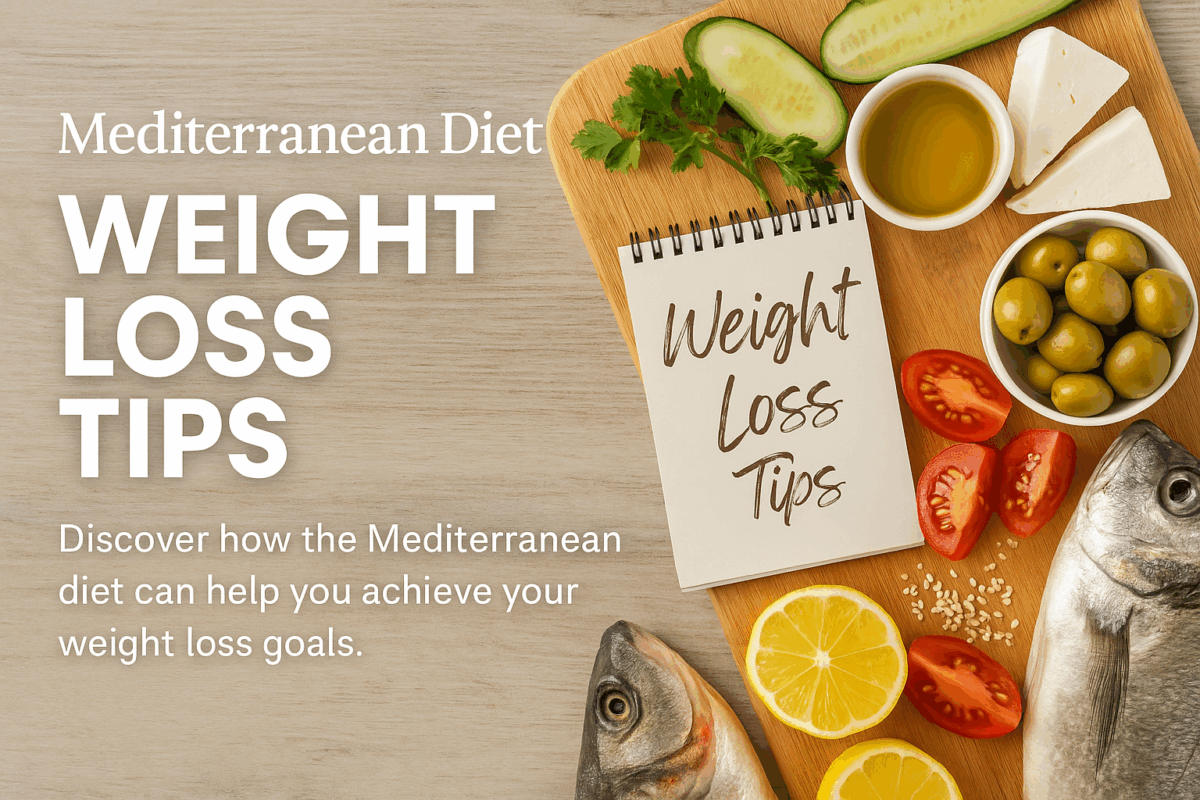
Wondering how the Mediterranean diet can help you lose weight? Our Mediterranean diet weight loss tips will provide you with actionable steps to achieve your weight loss goals. Discover how meal planning, smart snacking, and key food choices can make a difference.
Key Takeaways
- The Mediterranean diet emphasizes plant-based foods, healthy fats, and lean proteins, promoting a balanced intake of nutrients without food group restrictions.
- Incorporating high-fiber foods and healthy fats enhances satiety and reduces cravings, aiding in weight management.
- Practical strategies like meal planning, cooking at home, and mindful snacking are essential for successfully adopting the Mediterranean diet for weight loss.
Understanding the Mediterranean Diet for Weight Loss
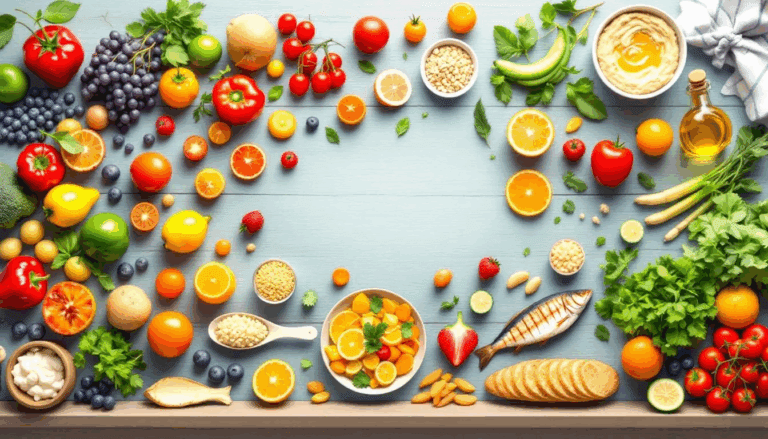
The Mediterranean diet is more than just a diet; it’s a way of life that emphasizes the traditional flavors and ingredients of the region. With a focus on whole grains, fruits, vegetables, lean proteins, and a Mediterranean style diet, this diet promotes a balanced intake of nutrients without restricting any food group.
Inspired by countries such as Greece, Italy, and Spain, the Mediterranean diet has been consistently ranked among the best diets for its flexibility and long-term adherence in Mediterranean countries. It’s no wonder that this diet is recommended for weight loss, heart health, and overall well-being.
Key Components of the Mediterranean Diet
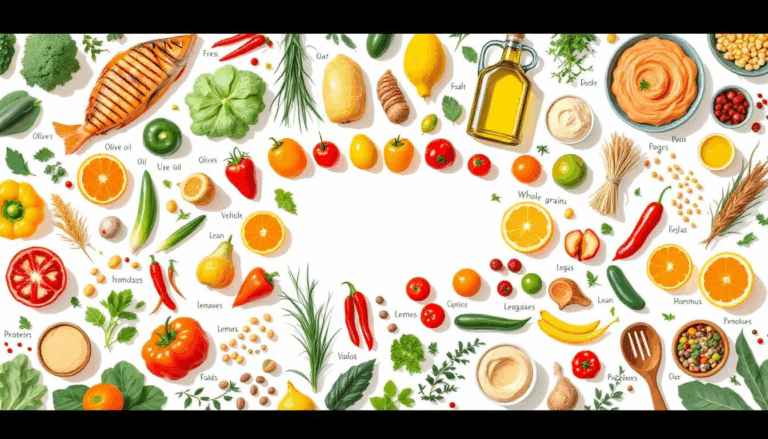
The Mediterranean diet is built on a foundation of:
- Plant-based foods
- Healthy fats, with extra virgin olive oil as the primary fat source emphasizing unsaturated fats that support heart health
- Lean proteins such as poultry, seafood, and dairy products in moderation
- Limited saturated fats
Incorporating these elements ensures a well-rounded intake of essential nutrients.
This diet is a celebration of variety and balance, making healthy eating both enjoyable and sustainable.
Foods to Embrace
Focus on foods that deliver maximum health benefits to fully embrace the Mediterranean diet. Fatty fish like salmon and sardines provide essential omega-3 fatty acids, promoting heart health and reducing inflammation. Nuts and seeds, such as almonds, walnuts, and chia seeds, are excellent sources of healthy fats and nutrients, making them ideal for snacking.
Fresh fruits and vegetables, whole grains like whole grain bread and brown rice, and legumes should form the bulk of your meals, providing fiber, vitamins, and minerals essential for overall health. Incorporating these foods into your daily meals can transform your diet into a nutrient-rich eating plan that supports weight loss and long-term health.
Imagine starting your day with:
- A hearty bowl of Greek yogurt topped with fresh berries and nuts Enjoying a lunch of:
- A colorful salad with a variety of vegetables And ending with a dinner of:
- Grilled fish
- A side of roasted vegetables for a healthy meal.
These simple yet delicious choices help you eat plenty of plant-based foods and maintain a balanced energy intake with plant foods.
Foods to Limit
While the Mediterranean diet allows for flexibility, certain foods should be limited to maximize its benefits:
- Processed meats, such as sausages and deli meats, are high in sodium and unhealthy fats, which can lead to weight gain and other health issues.
- Refined grains, like white bread and pastries, lack essential nutrients and fiber, contributing to unhealthy snacking habits and weight gain.
- Added sugars, often found in sweets and sugary drinks, can increase cravings and disrupt healthy eating patterns.
Mindfulness of these foods is necessary to maintain the integrity of the Mediterranean diet. Consuming too many highly processed foods, even those marketed as ‘healthy,’ can undermine your efforts to lose weight and improve your brain health.
Focusing on whole, minimally processed foods allows you to enjoy the full range of benefits the Mediterranean diet has to offer.
Benefits of the Mediterranean Diet for Weight Loss
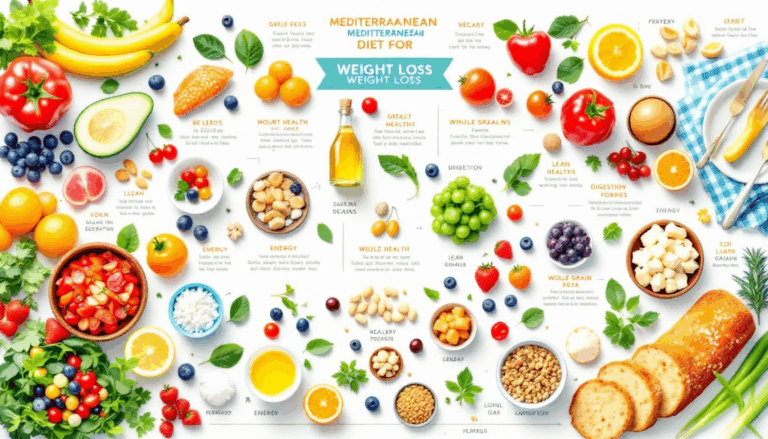
The Mediterranean diet is renowned for its ability to support weight loss while promoting overall health. Focusing on a variety of tasty and nutrient-dense foods helps limit daily energy intake without feeling restrictive. It promotes healthy blood sugar levels, aiding in weight management and reducing the risk of chronic diseases.
The Mediterranean diet’s emphasis on whole, minimally processed foods ensures that you get the nutrients you need while managing your weight effectively. This approach not only supports weight loss but also contributes to long-term health benefits.
Promotes Satiety
One of the key reasons the Mediterranean diet is effective for weight loss is its ability to promote satiety. High-fiber foods, such as fruits, vegetables, and whole grains, enhance feelings of fullness and reduce hunger, helping you control your calorie intake. Healthy fats from sources like olive oil and nuts also contribute to longer-lasting satiety, preventing overeating and snacking between meals.
However, it’s important to be mindful of portion sizes to ensure you don’t consume more calories than needed, which can hinder weight loss efforts.
Reduces Cravings
The Mediterranean diet’s focus on whole, minimally processed foods can significantly reduce cravings for unhealthy snacks and sugary treats. Prioritizing fresh produce, whole grains, and lean proteins helps diminish the desire for processed snacks and sweets. Limiting refined carbohydrates, such as white bread and pastries, further supports this effect, leading to fewer cravings and more stable energy levels.
This approach makes it easier to stick to a healthy eating plan and achieve your weight loss goals.
Practical Tips for Adopting the Mediterranean Diet

With the right approach, adopting the Mediterranean diet can be a seamless transition. Start by:
- Integrating small, manageable changes into your routine each week.
- Focusing on meal planning.
- Cooking at home.
- Making smart snacking choices to align with the Mediterranean style of eating.
These practical steps will help you gradually embrace the diet and enjoy its long-term benefits.
Plan Your Meals
Meal planning is crucial for successfully adopting the Mediterranean diet. To maintain interest and nutritional balance, consider the following:
- Be mindful of serving sizes.
- Incorporate a variety of ingredients from the Mediterranean region.
- Create meal plans that feature a diverse selection of plant-based foods.
- Include lean proteins.
- Add healthy fats.
These steps help ensure your meals are both nutritious and enjoyable.
This approach not only supports weight loss but also makes healthy eating a sustainable habit.
Cook at Home
Cooking at home is a cornerstone of the Mediterranean diet, allowing you to:
- Take charge of what you’re eating and ensure the quality of your ingredients.
- Foster creativity and enable the use of seasonal, fresh ingredients typical of the Mediterranean region.
- Reduce reliance on processed foods.
- Maintain appropriate portion sizes, essential for weight loss.
Imagine the joy of preparing a vibrant salad with fresh herbs, cherry tomatoes, and bell peppers, or a hearty dish of brown rice and cottage cheese. These home-cooked meals not only taste better but also support your health goals by providing nutrient-dense options that are free from hidden added sugar and unhealthy fats.
Snack Smart
Smart snacking is an integral part of the Mediterranean diet, helping you stay satisfied between meals while maintaining a healthy eating plan. Opt for snacks like:
- Hummus paired with sliced cucumbers and carrots
- Whole grain bread topped with a drizzle of olive oil and flaky sea salt
- Greek yogurt with fresh fruit, which provides a satisfying combination of protein and fiber and aligns with Mediterranean principles.
Healthy snacking can also include a variety of nuts and seeds, which are rich in heart-healthy fats and essential nutrients. Choosing these wholesome snacks over processed foods helps maintain sustained energy levels and supports weight loss efforts.
Sample Mediterranean Diet Meal Plan for Weight Loss
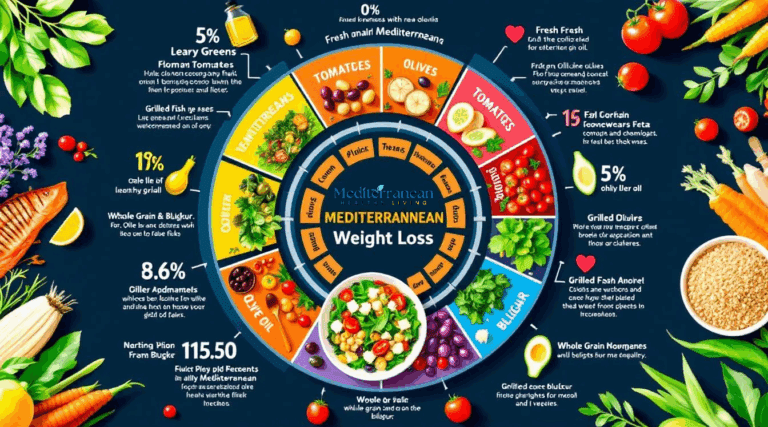
To help you get started, here’s a sample Mediterranean diet meal plan designed for weight loss, with a daily total of 1,524 calories. This plan includes a variety of meals that are both nutritious and delicious, ensuring you get 42g of fiber and 79g of protein daily.
Following this meal plan allows you to enjoy the benefits of the Mediterranean diet while effectively managing your weight.
Day 1
Kickstart your day with a Sheet Pan Asparagus Frittata for breakfast, providing a nutritious and satisfying start. For lunch, try a Greek salad wrap with cherry tomatoes, red onions, and crumbed feta in a whole wheat wrap, offering a balanced mix of protein and fiber.
Dinner can be a simple yet delicious combination of cottage cheese paired with roasted veggies or a pasta dish with spiralized zucchini and traditional spaghetti. This meal plan aims for a total of 1,524 calories, including healthy snacks to keep you energized throughout the day.
Day 2
On the second day, enjoy the convenience of reheating leftover frittata for breakfast, paired with a fresh side salad for added nutrients. Explore different meal options for lunch and dinner to keep your diet interesting and nutritionally balanced.
This variety ensures you get a mix of flavors and nutrients, making the Mediterranean diet enjoyable and sustainable.
Day 3
For breakfast on the third day, have Greek yogurt topped with mixed berries and a sprinkle of nuts for added crunch and nutrition.
Lunch can be a refreshing chickpea salad with diced cucumbers, tomatoes, and a drizzle of olive oil.
End the day with a nutrient-dense dinner of grilled salmon served with steamed asparagus and quinoa. These easy-to-prepare meals help you maintain long-term adherence to the Mediterranean lifestyle.
Exercise and the Mediterranean Lifestyle
Physical activity is a vital component of the Mediterranean lifestyle, enhancing the weight loss benefits of the diet. Engaging in daily movement and enjoyable activities not only supports weight management but also contributes to overall health and well-being.
Aim for at least 150 minutes of a moderate amount of moderate-intensity exercise per week, incorporating activities like:
- jogging
- power walking
- yoga
- dancing
- hiking
These activities are not only effective but also enjoyable, making it easier to stick to a regular fitness routine.
Daily Movement
Incorporating daily movement into your routine can significantly enhance your weight loss efforts. Simple activities like walking or swimming are fundamental in Mediterranean cultures and serve as both transportation and leisure. Cycling is another excellent way to support cardiovascular disease health while fitting into a Mediterranean lifestyle.
Even gardening can contribute to physical exercise, fostering community connections and providing fresh produce for your meals.
Enjoyable Activities
Choosing exercises that you enjoy increases the likelihood of maintaining a regular fitness routine. Whether it’s dancing, hiking, or participating in community sports, finding enjoyable activities promotes long-term adherence to an active lifestyle.
Engaging in fun physical activities not only supports weight loss but also makes exercise feel less like a chore and more like an integral part of your Mediterranean lifestyle.
Common Mistakes to Avoid
While the Mediterranean diet is flexible and enjoyable, there are common mistakes that can hinder your progress. Consulting a dietitian for personalized advice on dietary guidelines and serving sizes can help you avoid these pitfalls.
Registered dietitians can also assist in creating meal plans tailored to your needs, ensuring you stay on track with your weight loss goals.
Overeating Healthy Fats
Even though the Mediterranean diet is rich in healthy fats like olive oil and nuts, consuming them in moderate amounts can lead to a calorie surplus and hinder weight loss efforts. While these low-fat fats are beneficial for heart health and can help reduce the risk of heart disease, moderation is key.
Portion control ensures you enjoy the benefits of healthy fats without exceeding your daily calorie needs.
Ignoring Portion Sizes
Ignoring portion sizes is another common mistake that can derail your weight loss journey. Mindful eating is crucial in the Mediterranean diet, helping you enjoy foods without overindulging.
Serving appropriate portions and actively engaging with your meals can help you maintain proper portion sizes and support your weight loss goals.
Summary
The Mediterranean diet offers a flexible, enjoyable, and sustainable way to achieve weight loss and improve overall health. By focusing on plant-based foods, healthy fats, and lean proteins, and incorporating physical activity, you can transform your lifestyle and reap the long-term benefits of this diet. Remember to avoid common mistakes like overeating healthy fats and ignoring portion sizes to stay on track. Embrace this journey with enthusiasm, and you’ll find that the Mediterranean diet is not just a diet but a way of life that promotes wellness and longevity.
Frequently Asked Questions
- What is the Mediterranean diet and how does it support weight loss?
The Mediterranean diet is a plant-based eating style rich in fruits, vegetables, whole grains, healthy fats, and lean proteins. It supports weight loss by promoting satiety, reducing cravings, and improving overall nutrition.
- What are the best foods to eat on the Mediterranean diet for weight loss?
Eat plenty of vegetables, fruits, legumes, whole grains, nuts, seeds, olive oil, fish, and moderate amounts of dairy and poultry. These foods are nutrient-dense and help control calorie intake.
- Are there foods I should avoid on the Mediterranean diet?
Yes, avoid processed meats, refined grains (like white bread), sugary drinks, and snacks with added sugars or unhealthy fats. These hinder weight loss and overall health.
- Can I lose weight without counting calories on the Mediterranean diet?
Yes, the diet naturally limits calorie intake by focusing on high-fiber and satiating foods, but portion control and mindful eating are still important for weight loss.
- How do I start the Mediterranean diet for weight loss?
Begin by planning balanced meals with fresh, whole ingredients. Cook at home, use olive oil instead of butter, snack on fruits or nuts, and gradually cut out processed foods.
- Is exercise necessary while following the Mediterranean diet?
Yes, daily physical activity like walking, yoga, or cycling complements the Mediterranean lifestyle and enhances weight loss results.
- How quickly can I expect to lose weight on the Mediterranean diet?
Results vary by individual, but with consistent eating habits and exercise, gradual weight loss of 1–2 pounds per week is typical.
- Can I follow the Mediterranean diet if I’m vegetarian or vegan?
Yes, simply replace animal proteins with legumes, lentils, tofu, and plant-based proteins. The Mediterranean diet is very flexible and plant-forward.
- Is olive oil okay if I’m trying to lose weight?
Yes, in moderation. Olive oil is a healthy fat that promotes fullness and supports heart health, but it should be consumed mindfully to avoid excess calories.
- What’s a simple Mediterranean snack that supports weight loss?
Try Greek yogurt with berries, hummus with cucumber slices, or a handful of almonds. These options are high in fiber and protein.