Top Mediterranean Superfoods List for Optimal Health
Introduction
Discover the top Mediterranean superfoods list that can boost your health. This list covers nutrient-dense foods known for enhancing heart health, reducing inflammation, and offering essential nutrients. Start incorporating these superfoods into your diet today.
Key Takeaways
Olive oil is a key component of the Mediterranean diet, offering cardiovascular benefits due to its high content of monounsaturated fats and antioxidants.
Sardines are a valuable source of omega-3 fatty acids and essential minerals, contributing to heart health and serving as a meat alternative for iron intake.
Including a variety of whole grains, legumes such as chickpeas, and leafy greens in your diet promotes sustained energy, improved digestion, and overall well-being.
Extra Virgin Olive Oil: The Liquid Gold
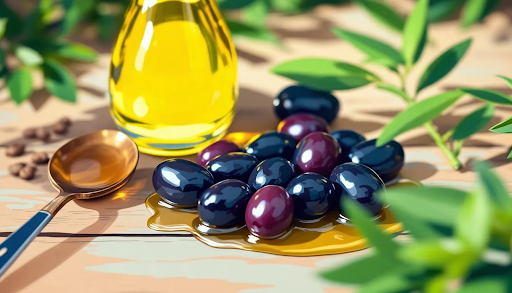
Extra virgin olive oil earns the nickname liquid gold because of its deep colour, striking flavour, and role in countless Mediterranean dishes. That admiration sits on a health-supporting foundation too: the oil is loaded with monounsaturated fats, especially oleic acid, which research regularly links to smoother arteries and a cleaner cholesterol balance. The Harvard School of Public Health echoes this view, pointing out that diets high in such fats-much like those centred on olive oil-tend to show lower rates of heart problems and strokes.
The story does not end with heart-friendly fat, however. Extra virgin olive oil also carries a healthy dose of Vitamin E and an array of polyphenols, antioxidants that shield cells from aggressive free radicals and calm excess inflammation. These plant compounds earn extra praise from scientists for possibly easing symptoms of conditions tied to chronic inflammation, such as arthritis or digestive distress, thus lending another layer of support to everyday wellness.
Sardines: Nutrient Powerhouses
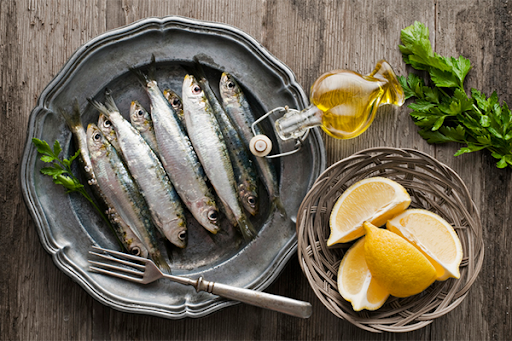
Sardines might be tiny little fish, yet they deliver an impressive dose of nutrition that earns them a top spot on any Mediterranean superfood list. These fatty swimmers provide a wallet-friendly source of omega-3s, the essential fats that help keep hearts steady and ease built-up inflammation. With about 2 grams of omega-3s in a three-ounce serving, a single tin gives your body a serious oily-fish boost.
Working sardines into everyday food is easy and downright flexible. Toss them onto a hot grill, fling a few chunks into a sturdy salad, or mash them on whole-grain toast, and suddenly lunch or dinner sings. When you look at the nutrition they hand over, its fair to say they are one of the smartest additions you can make.
The American Heart Association even chips in, urging folks to eat fish-including sturdy little sardines-at least twice a week to soak up all those sea-borne perks.Slip sardines into your weekly meals and you can tap into their many health perks while savoring that bold, hearty taste they bring.
Chickpeas: Plant-Based Protein
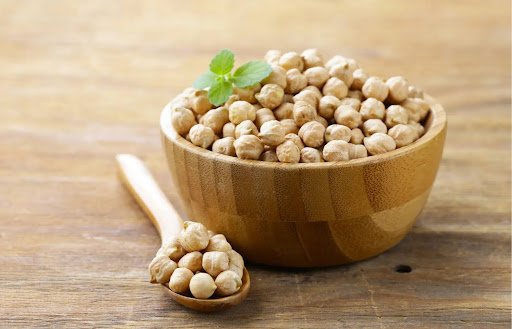
Chickpeas, or garbanzo beans as theyre sometimes called, have lingered on Mediterranean dinner tables for more than seven thousand years. Their friendly, nutty flavor and firm texture make them a cook-authorized team player in casserole or stew-so you never worry about them falling apart too soon.
A single cup delivers about fourteen-and-a-half grams of protein, which is why vegans and vegetarians lean on them even when all the other groceries have to stay inside the budget. Add in a generous dose of fiber, and youve got a legume that soothes digestion, quiets hunger pangs, and helps the blood-sugar ball stay in play.
Dump a handful into a midweek salad, fold some into a simmering soup, or smear spiced hummus on crusty bread, and all three meals arrive tasty, colorful, and good for you.
Greek Yogurt: Probiotic-Rich Dairy
Greek yogurt is often called the rock star of the Mediterranean table, and for good reason: it packs a range of nutrients into a single scoop. Full of protein, calcium, and friendly probiotics, this thick, creamy yogurt helps nourish the gut and keep digestion running smoothly. Those live cultures act like tiny helpers, working to keep the microbiome balanced and, in turn, giving your immune system a solid boost.
Spoon plain Greek yogurt over berries for a quick breakfast, swirl it into smoothies, or whisk it into dressings for grain bowls and salads. Its mild flavor and thick texture let it slip into sweet or savory dishes with ease, turning everyday meals into nutrient-rich hits without extra fuss.
Nuts and Seeds: Heart-Healthy Snacks
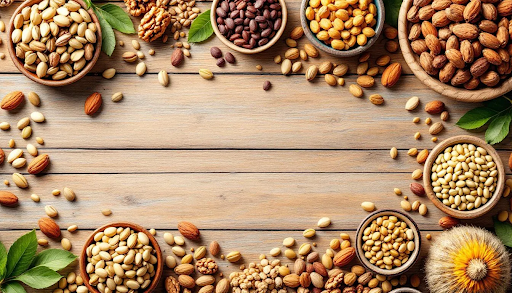
Nuts and seeds are not just tasty treats; theyre small nutritional powerhouses packed with health perks. Because they contain mostly unsaturated fats, these foods help keep cholesterol levels in check and may guard against heart-disease risk. Numerous studies link regular nut eating to a meaningful drop in heart problems, so tossing a few into daily meals is a smart, easy move.
Each type brings its own special advantage. For example:
Almonds load you up with vitamin E, a strong antioxidant.
Walnuts deliver plant-based omega-3s that boost cardiac well-being.
Chia seeds add heaps of fiber that keep digestion running smoothly.
To get the most bang for your buck, choose raw, dry-roasted, or unsalted versions. Sprinkle them on salads, stir them into yogurt, or just grab a small handful between meals and youre done. Mixing different nuts and seeds not only keeps snacks interesting, it gives your body nutrients it loves, supporting wellness from head to toe.
Leafy Greens: Nutrient-Dense Vegetables
Leafy greens sit at the heart of the Mediterranean diet, praised for packing a lot of goodness into every bite. Vegetables like:
Spinach
Kale
Arugula
bring loads of vitamins and minerals, including vitamin K and even small amounts of vitamin D. Kale stands out because it delivers a big dose of vitamin K, a nutrient that helps keep bones strong.
Eating different kinds of greens is good for the heart and the gut, mainly because they are high in fiber and full of antioxidants. These plant compounds help fight inflammation, which may lower the chance of heart trouble later on.
Finding room for greens in everyday cooking is easy. Toss them into salads, puree them in a smoothie, or give them a quick sauté with garlic. Mixing several types keeps the diet colorful, tasty, and packed with energy-boosting nutrients.
Fresh Herbs: Flavorful and Nutritious
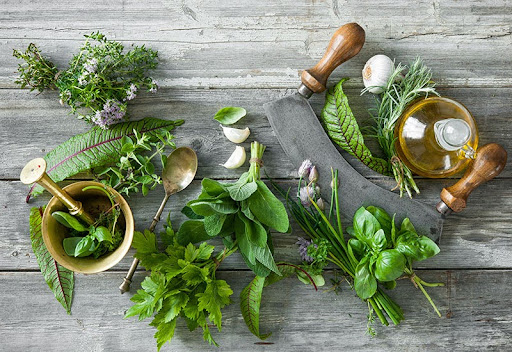
Fresh herbs and spices brighten up everyday meals, giving both flavor and a little health boost you can taste. These tiny green-and colorful accents pack vitamins and minerals that the body loves, so they do more than sit pretty on the plate. Tossing them in lets dishes sing while sneaking in extra good-for-you goodness.
Slip chopped herbs into salads, stir them into pasta, or rub them on chicken before grilling-there are almost no kitchen limits. Basil, parsley, cilantro, dill, or whatever you have handy each steers the dish in a new, tasty direction.
Citrus Fruits: Vitamin C Boosters
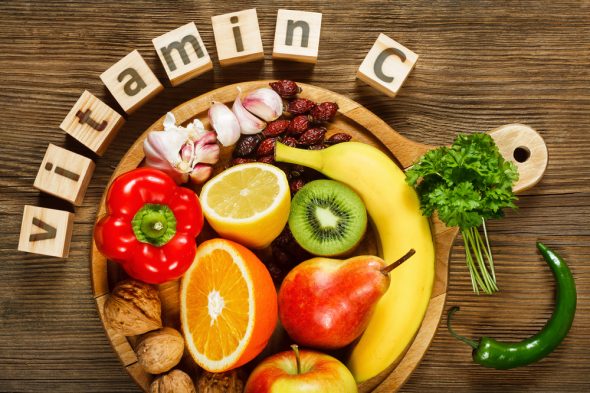
Citrus fruits are famous for packing a lot of vitamin C, which helps keep the immune system strong and gives skin a healthy glow. On top of that, they contain flavonoids, carotenoids, and other plant compounds that act like tiny bodyguards, fighting oxidation and calming inflammation in cells.
Peel an orange on the go, toss grapefruit segments into a mixed salad, or squeeze a splash of lemon into dressings and marinades to brighten the flavor of almost any dish. With their cheerful taste and long list of perks, citrus makes a small but powerful upgrade to a balanced diet.
Whole Grains: Sustained Energy
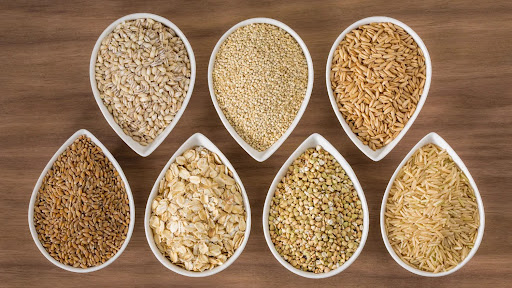
Whole grains sit at the heart of the Mediterranean diet, giving steady energy and plenty of health perks. Eating these grains links to:
Steadier blood sugar
A lower chance of type 2 diabetes
Easier weight management when refin-ed options are swapped
Reduced stroke risk.
Grains such as farro, barley, and quinoa pack nutrition and bring different tastes and textures to the table. Quinoa is special because it offers all the essential proteins needed, giving about 8 grams per cooked cup, and it is naturally gluten-free.
Fatty Fish: Omega-3 Rich Choices
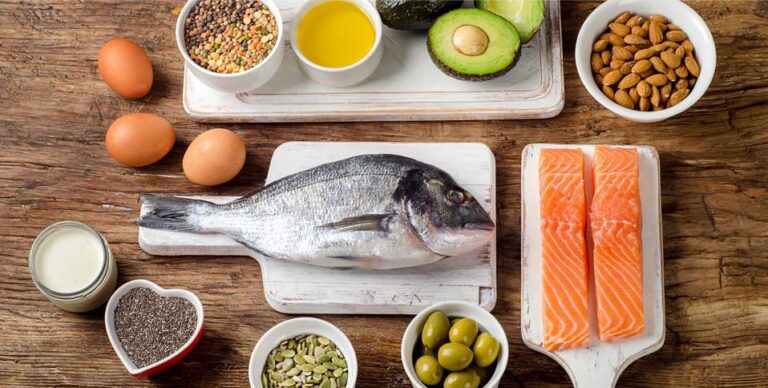
Fatty fish sit near the top of the Mediterranean menu, prized for their generous omega-3s and the good things those fats do for the body. Eating a modest amount of these fish on a regular basis appears to cut the odds of heart trouble. The omega-3s ease inflammation, lower triglycerides, and seem to protect against strokes and heart failure.
For more Travel inspiration, Wellness tips, and delicious Mediterranean Recipes, follow us on Instagram: @MediterraneanHealthyLiving
Frequently Asked Questions
What makes olive oil a superfood?
Olive oil is considered a superfood primarily due to its high content of monounsaturated fats, Vitamin E, and polyphenols, which collectively promote cardiovascular health and reduce inflammation. This nutrient profile contributes significantly to overall well-being.
How often should I eat sardines to gain their health benefits?
To reap the health benefits of sardines, it is advisable to incorporate them into your diet at least twice a week, as recommended by the American Heart Association. This frequency can enhance your intake of omega-3 fatty acids and support heart health.
What are some easy ways to incorporate chickpeas into my diet?
Incorporating chickpeas into your diet can be easily achieved by adding them to salads, blending them into soups, or using them to make hummus for a healthy snack. These methods not only enhance your meals but also provide significant nutritional benefits.
Why is Greek yogurt considered beneficial for digestive health?
Greek yogurt is beneficial for digestive health due to its high probiotic content, which helps maintain a balanced gut microbiome. This support promotes overall digestive well-being.
What are the best ways to use fresh herbs in cooking?
Using fresh herbs in salads, pasta, and marinades can significantly elevate the flavor and nutritional value of your dishes. Incorporate them generously for a vibrant, aromatic experience.