

Table of Contents
Introduction: The Importance of the Mediterranean Food Pyramid

The Mediterranean food pyramid is more than just a chart; it’s a way of life that has contributed to the exceptional longevity and overall health of Mediterranean populations. Known for its emphasis on healthy Mediterranean foods like fruits, vegetables, olive oil, and fish, the Mediterranean food pyramid promotes a balanced, nutrient-rich diet that supports heart health, mental clarity, and longevity. In this blog, we’ll dive into what the Mediterranean diet pyramid is, why it works, and how you can implement it into your daily routine for better health.
Key Takeaways
- The Mediterranean food pyramid is based on nutrient-dense foods that promote long-term health and prevent chronic disease.
- The pyramid prioritizes fruits and vegetables, whole grains, healthy fats, and lean proteins.
- Moderate consumption of red meat, sweets, and wine is incorporated into the diet, emphasizing balance and moderation.
- Following the Mediterranean eating plan can improve heart health, support weight management, and promote longevity.
What is the Mediterranean Food Pyramid?
The Mediterranean food pyramid is a visual representation of the foods that are most beneficial to health, organized by frequency of consumption. This pyramid was created based on the eating habits of populations living in countries bordering the Mediterranean Sea, such as Italy, Greece, and Spain.
Understanding the Hierarchy of Foods in the Pyramid
At the base of the pyramid are fruits and vegetables, which form the foundation of the Mediterranean diet. These foods are high in vitamins, minerals, and fiber, and they are consumed in large quantities. Above that, whole grains and legumes make up the next level, providing essential carbohydrates and protein. The middle levels of the pyramid highlight healthy fats, especially olive oil, which is central to Mediterranean cooking, and nuts for their healthy fats and protein. Fish and seafood appear at the next level, followed by poultry and dairy in moderation. At the very top of the pyramid are red meats and sweets, which should be consumed sparingly.
Why the Mediterranean Food Pyramid Works for Health
The reason the Mediterranean diet pyramid works is simple: it emphasizes whole, minimally processed foods that are rich in nutrients while minimizing foods that can contribute to inflammation and chronic disease. This diet is naturally low in unhealthy fats, added sugars, and processed foods, which helps reduce the risk of heart disease, diabetes, and certain cancers.
Key Components of the Mediterranean Food Pyramid
Fruits and Vegetables: The Foundation of the Pyramid
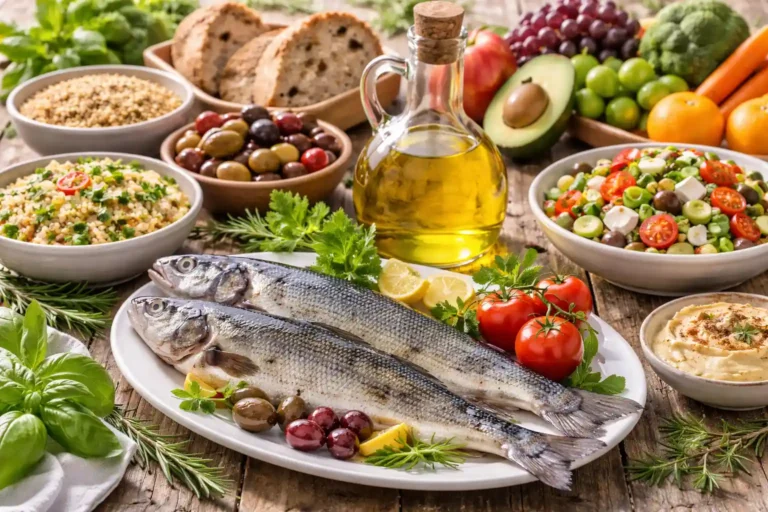
Fruits and vegetables make up the bulk of the Mediterranean diet. These foods are rich in antioxidants, fiber, and essential vitamins, which support everything from immune function to heart health. Leafy greens, tomatoes, cucumbers, and berries are staples in Mediterranean meals, providing a variety of nutrients that contribute to a balanced Mediterranean food intake.
Whole Grains: Essential Carbohydrates for Energy
Whole grains, such as brown rice, quinoa, and whole wheat bread, provide complex carbohydrates that release energy slowly, helping to maintain stable blood sugar levels. They are a key source of fiber, which supports digestive health and helps you feel full for longer.
Healthy Fats: The Role of Olive Oil in the Pyramid
Olive oil is the star fat in the Mediterranean pyramid. Rich in monounsaturated fats, olive oil helps reduce LDL cholesterol, support heart health, and provide anti-inflammatory benefits. It’s used in cooking, as a dressing, and even drizzled over meals to enhance flavor and health benefits.
Protein Sources: Fish, Poultry, and Legumes
Fish and seafood are the primary sources of protein in the Mediterranean diet, providing omega-3 fatty acids, which are essential for brain health and reducing inflammation. Poultry and legumes such as lentils and chickpeas also contribute to protein intake, offering a healthy alternative to red meat.
The Mediterranean Pyramid’s Focus on Moderation and Balance
The Role of Red Meat and Sweets in the Pyramid
Unlike many diets that limit red meat and sweets entirely, the Mediterranean food pyramid encourages moderation. Red meat is consumed in small portions, typically only a few times per month, and sweets are reserved for occasional treats rather than daily indulgence. This balance helps prevent the negative effects of overconsumption while still allowing for the enjoyment of flavorful foods.
Wine in Moderation: A Unique Feature of the Pyramid
A glass of red wine is often enjoyed with meals in Mediterranean cultures, known for its potential heart health benefits. The key here is moderation one to two glasses a day for adults, as the antioxidants in red wine, such as resveratrol, have been linked to improved heart health.
Health Benefits of Following the Mediterranean Food Pyramid
Heart Health: How the Pyramid Promotes Cardiovascular Wellness
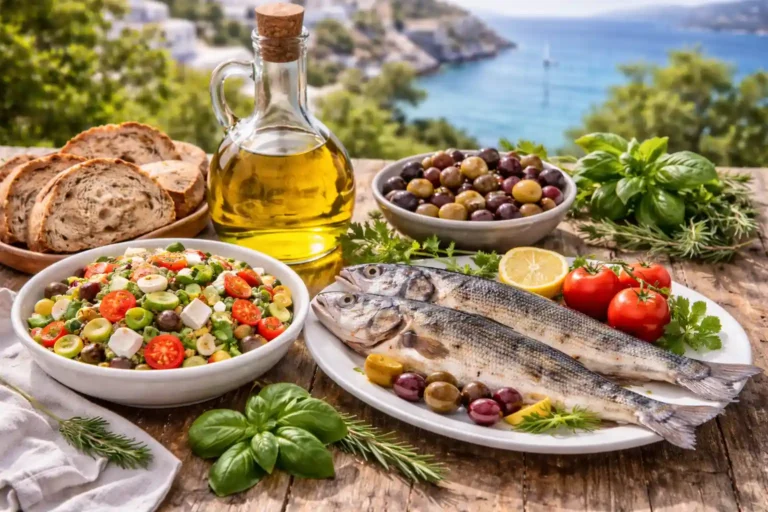
The Mediterranean diet is renowned for its heart health benefits. The emphasis on healthy fats from olive oil, fish, and nuts, along with a high intake of fruits and vegetables, helps lower the risk of cardiovascular disease by reducing inflammation and improving cholesterol levels. The Mediterranean diet has been linked to a reduced risk of heart disease, stroke, and high blood pressure.
Weight Management and Longevity: The Benefits of the Mediterranean Diet
Following the Mediterranean food pyramid can also support weight management. The diet’s focus on whole foods, fiber-rich vegetables, and healthy fats helps regulate appetite and metabolism. Moreover, this diet has been associated with longevity, with Mediterranean populations enjoying longer, healthier lives due to their balanced, nutrient-dense eating habits.
How to Implement the Mediterranean Food Pyramid into Your Daily Life
Easy Tips to Incorporate Mediterranean Foods into Meals
Incorporating the Mediterranean diet pyramid into your daily life doesn’t require drastic changes. Start by adding more vegetables to your meals, using olive oil for cooking and dressings, and eating fish at least twice a week. Swap out refined grains for whole grains like quinoa or brown rice, and snack on nuts and seeds instead of processed snacks.
Sample Meal Plan Following the Mediterranean Food Pyramid
A sample Mediterranean meal plan could look like this:
Breakfast: Whole grain toast with avocado and a side of mixed berries.
Lunch: Grilled chicken salad with leafy greens, cucumbers, tomatoes, olives, and a drizzle of olive oil.
Dinner: Baked salmon with quinoa and roasted vegetables.
Snack: A handful of almonds or a small serving of hummus with carrot sticks.
Conclusion: Embrace the Mediterranean Pyramid for Better Health
The Mediterranean food pyramid offers a simple yet effective way to improve your health, reduce your risk of chronic diseases, and promote longevity. By focusing on whole foods, healthy fats, and moderation, this diet provides a balanced approach to nutrition that can benefit your heart, mind, and body. So why not start incorporating more Mediterranean meals into your life today?
Ready to Embrace the Mediterranean Lifestyle for Better Health?
Discover more tips, recipes, and wellness inspiration from Mediterranean Healthy Living.
FAQs About the Mediterranean Food Pyramid
- What is the Mediterranean food pyramid?
The Mediterranean food pyramid is a guide to the foods that should be consumed regularly for optimal health, with an emphasis on fruits, vegetables, whole grains, healthy fats, and fish. - What are the key foods in the Mediterranean food pyramid?
Key foods include olive oil, fish, whole grains, fruits, and vegetables. - How does the Mediterranean food pyramid promote heart health?
The pyramid emphasizes healthy fats like olive oil and omega-3-rich fish, which help lower LDL cholesterol and reduce inflammation, promoting heart health. - Is red meat allowed in the Mediterranean diet?
Yes, but in moderation. Red meat is consumed sparingly in the Mediterranean diet, typically just a few times per month. - What role does wine play in the Mediterranean food pyramid?
Wine is enjoyed in moderation, with red wine offering potential heart health benefits due to its antioxidant content. - Can the Mediterranean food pyramid help with weight management?
Yes, the Mediterranean diet supports weight management by focusing on nutrient-dense, fiber-rich foods that regulate appetite. - Why are whole grains important in the Mediterranean food pyramid?
Whole grains provide complex carbohydrates, fiber, and essential nutrients, supporting digestion and offering steady energy throughout the day. - What is the impact of the Mediterranean food pyramid on longevity?
The Mediterranean diet is linked to longevity due to its emphasis on heart-healthy foods, antioxidants, and anti-inflammatory properties. - How can I start following the Mediterranean food pyramid?
Start by adding more vegetables, fruits, and fish to your meals, use olive oil for cooking, and reduce your intake of red meat and sweets. - Are there any specific Mediterranean foods that promote longevity?
Yes, olive oil, fish, vegetables, nuts, and fruits are key foods that support long life by providing essential nutrients and reducing chronic disease risk.