

Are you curious about the health benefits of Mediterranean herbs for wellness? This article will explain how herbs like oregano, rosemary, and basil contribute to wellness. You’ll learn why these Mediterranean herbs for wellness are essential in Mediterranean cooking and how they support health, from boosting immunity to reducing inflammation.Lorem ipsum dolor sit amet, consectetur adipiscing elit. Ut elit tellus, luctus nec ullamcorper mattis, pulvinar dapibus leo.
Key Takeaways
- Mediterranean herbs like basil, rosemary, and oregano are not only flavorful but also provide significant health benefits, including anti-inflammatory, antioxidant, and antimicrobial properties.
- Incorporating these herbs into your diet supports heart health, cognitive function, and immune system strength, making them essential components of overall wellness.
- Using fresh and dried Mediterranean herbs enhances everyday cooking, allowing for delightful flavor combinations and maximizing their health benefits.
Key Mediterranean Herbs for Wellness
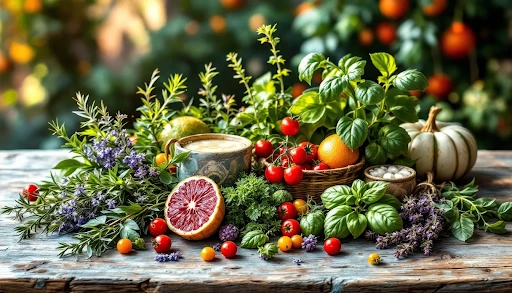
The Mediterranean diet is renowned not just for its delicious flavors but also for its health-promoting properties. At the heart of this diet are key herbs that elevate the taste of Mediterranean dishes while providing numerous health benefits. Among these, oregano, rosemary, and basil stand out as essential components of the Mediterranean palette, each contributing uniquely to overall well-being.
Mediterranean herbs like sage, tarragon, thyme, and parsley also play significant roles in enhancing wellness. These herbs are rich in bioactive compounds that support heart health and may lower the risk of chronic diseases. Whether it’s the antimicrobial properties of oregano and rosemary, which enhance immune function, or the antioxidant properties that reduce oxidative stress, these herbs are integral to the health benefits associated with the Mediterranean diet.
Let’s take a closer look at three key herbs basil, rosemary, and oregano and discover how they contribute to wellness and why they are indispensable in Mediterranean cooking.
Basil: The Fragrant Healer
Basil, with its aromatic flavor and numerous health benefits, is a cornerstone of Mediterranean cuisine. Fresh basil leaves are not just a fragrant addition to dishes; they are also packed with anti-inflammatory properties that support cardiovascular health and help regulate blood pressure. This key herb brings a sweet and peppery flavor profile, complemented by black pepper, to Mediterranean dishes, enhancing their overall taste.
The importance of basil in Mediterranean cooking cannot be overstated. Its fresh leaves are commonly used in spice blends and can be found in a variety of recipes, from salads to pasta. The anti-inflammatory benefits of basil make it a significant component of the Mediterranean diet, contributing to heart health and overall well-being.
Rosemary: A Cognitive Booster
Rosemary is known for its ability to enhance memory and cognitive performance, making it a valuable addition to any diet. The bioactive components in rosemary influence brain function, leading to improved mental alertness and cognitive resilience. This herb’s antioxidant and anti-inflammatory properties further contribute to brain health, making it a powerful tool for maintaining cognitive function.
Incorporating rosemary into your meals not only adds zest but also brings about beneficial effects for your overall well-being. Fresh herbs like rosemary are a staple in Mediterranean cooking, adding rich flavors and health benefits to various dishes.
Oregano: Nature's Antibiotic
Oregano, often referred to as nature’s antibiotic, is a versatile herb that can be used both fresh and dried. Its rich antioxidant properties help combat oxidative stress in the body, contributing to overall health. Additionally, oregano’s antibacterial properties support immune function, making it a valuable addition to a health-conscious diet.
This herb’s earthy flavor profile, with hints of mint and pepper, enhances the taste of Mediterranean dishes. Whether used in marinades or as a seasoning, oregano’s health benefits and flavor make it a key ingredient in Mediterranean cuisine.
Health Benefits of Mediterranean Herbs
Mediterranean herbs are celebrated not only for their culinary prowess but also for their significant health benefits. Rich in bioactive compounds, these herbs offer antioxidant, anti-inflammatory, and antimicrobial properties that support overall wellness. The therapeutic properties of these herbs contribute to the health and wellness benefits associated with the Mediterranean diet.
Herb blends like Za’atar and Herbes de Provence are not just flavor enhancers; they also provide a variety of nutritional benefits, including anti-inflammatory properties. The Mediterranean diet’s emphasis on herbs plays a crucial role in its anti-inflammatory and antioxidant benefits, supporting heart health and reducing the risk of chronic diseases.
Let’s delve into the specific health benefits of Mediterranean herbs, focusing on their anti-inflammatory properties, immune system support, and digestive properties for digestive health.
Anti-inflammatory Properties
Oregano and rosemary are particularly noted for their anti-inflammatory properties. These herbs contain compounds that combat inflammation and oxidative stress in the body, promoting better health and mood. The antioxidants in rosemary help alleviate stress and positively influence mood, contributing to overall well-being.
Incorporating these herbs into your diet can provide numerous health benefits, from reducing inflammation to enhancing immune function. The anti-inflammatory benefits of Mediterranean herbs are a key reason why they are so valued in traditional and modern diets alike.
Immune System Support
Oregano is renowned for its antibacterial properties, which support the immune system and digestive health. The compounds in oregano exhibit significant antibacterial activity, making it a powerful ally in maintaining a healthy immune system.
By incorporating oregano into your diet, you can enhance your immune function and overall health. This herb’s ability to support the immune system makes it an essential component of a health-conscious diet.
Digestive Health
Mediterranean herbs like fennel, ginger, and peppermint are excellent for promoting digestive health. Fennel seeds are rich in fiber and contain anti-inflammatory compounds that serve as a digestive aid in improved digestion. Ginger stimulates digestive enzyme production, reduces gastrointestinal inflammation, and eases indigestion and bloating.
Peppermint soothes digestive discomfort and relieves symptoms of IBS, while thyme acts as a natural remedy for indigestion and promotes microbial balance in the gut. These herbs provide significant benefits for digestive health, making them valuable additions to any diet.
Add Your Heading Text Here

Incorporating Mediterranean herbs into your diet can be a delightful and healthful experience. Fresh herbs are essential in Mediterranean cooking, enhancing flavor without relying on excessive salt or fat. Recipes typically emphasize fresh ingredients and simple preparation methods, allowing the natural flavors of the food herbs to shine.
Combining fresh tomatoes with:
- basil
- olive oil
- lemon juice creates a bright and refreshing salad that highlights the aromatic qualities of basil. Using a variety of fresh and dried herbs based on seasonal availability can maximize both flavor and health benefits.
Fresh vs. Dried Herbs
Guidelines for using herbs in cooking:
- Fresh herbs are best added at the end of cooking to maintain their delicate flavors.
- When cooking for long periods, dried herbs often infuse flavors more effectively than fresh ones.
- When substituting fresh herbs for dried, use three times the amount of fresh herbs as the recipe calls for dried herbs.
Understanding the differences between fresh and dried herbs can help you make the most of their flavors and health benefits in your cooking. Whether you use fresh basil for a quick salad or dried oregano for a slow-cooked stew, each has its place in Mediterranean cuisine.
Cooking with Mediterranean Herbs
Mediterranean herbs are an essential component of Mediterranean cooking, known for enhancing flavors and providing health benefits. To maximize these benefits, use a variety of fresh and dried herbs in your everyday cooking.
Oregano can be particularly effective when used with grilled meats, adding zest and enhancing the dish’s health benefits. Basil and rosemary are excellent choices for flavoring vegetable dishes, bringing out the natural sweetness of the ingredients. Incorporating herbs like dill or parsley into rice dishes can elevate the flavor profile and enhance nutritional value.
Creating Herb Blends
Creating your own herb blends can be a rewarding way to enhance flavor and gain health benefits from Mediterranean herbs and spices. Spice blends like Herbes de Provence and Za’atar are staples in Mediterranean cuisine, providing both rich flavors and nutritional benefits.
This blend usually consists of:
- Thyme
- Basil
- Rosemary
- Tarragon
- Savory
- Marjoram
- Oregano
- Bay leaf
It is commonly used in grilled meats and tomato-based dishes. Za’atar, with its tangy, nutty flavor, and slightly earthy taste, adds a unique flavor to various dishes.
Tailoring herb blends to your tastes allows for creative culinary combinations that enhance Mediterranean dishes, with each blend featuring a key spice and Mediterranean spices.
Popular Mediterranean Herb Recipes
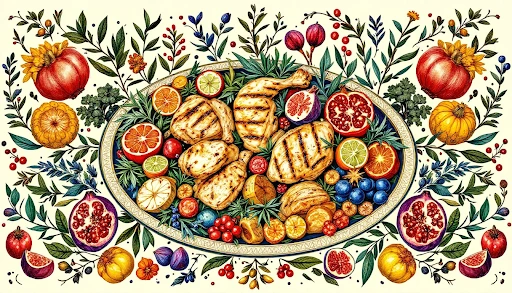
Mediterranean herbs not only enhance flavor but also boost health benefits in various dishes, making them essential in a healthy diet. Whether it’s a refreshing tomato and basil salad, aromatic rosemary roasted vegetables, or flavorful oregano grilled chicken, these recipes showcase the versatility and health benefits of Mediterranean herbs.
Sharing these popular recipes can inspire you to incorporate more Mediterranean herbs into your diet, enjoying their delicious flavors and numerous health benefits.
Tomato and Basil Salad
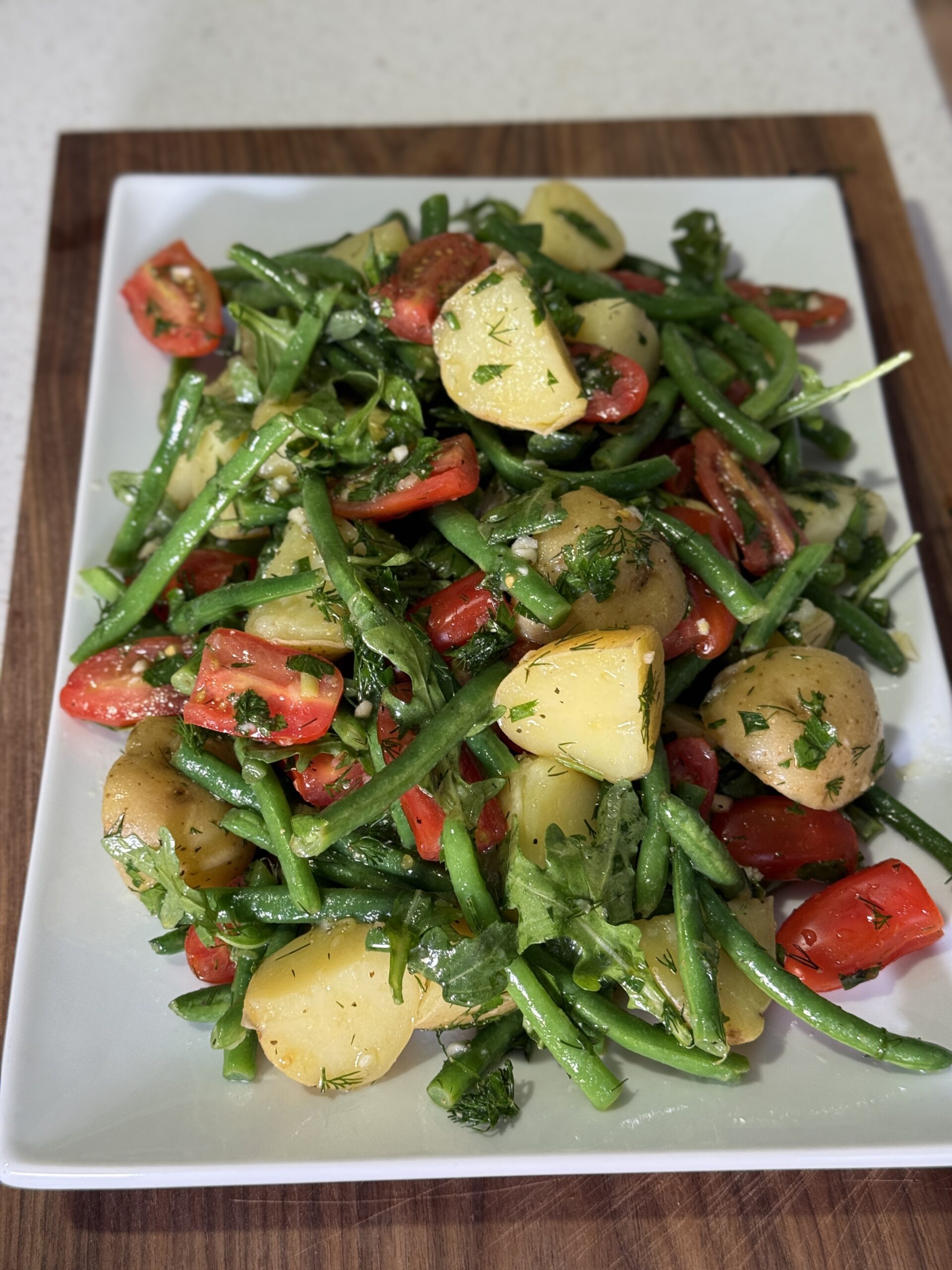
A fresh Tomato and Basil Salad is a perfect example of how simple ingredients can create a nutritious and flavorful dish, often inspiring various tomato dishes. To prepare the salad, combine:
- fresh tomatoes
- basil
- olive oil
- lemon juice for a refreshing taste that highlights the aromatic qualities of basil.
Tomatoes are rich in vitamins and antioxidants, making them a nutritious addition to salads. The anti-inflammatory properties of basil support cardiovascular health, making this salad both delicious and beneficial for your well-being.
Rosemary Roasted Vegetables
Rosemary Roasted Vegetables bring out the robust flavors of seasonal vegetables, roasted to perfection with fresh rosemary. Using rosemary in roasted vegetable recipes adds an earthy depth that complements the natural sweetness of the vegetables.
Cooking vegetables with rosemary not only intensifies their natural flavors but also adds aromatic notes that enhance the overall dish. This recipe is a great way to enjoy the health benefits and rich flavors of Mediterranean herbs.
Oregano Grilled Chicken
Oregano Grilled Chicken is a delicious and nutritious meal option that showcases the health benefits of oregano. When grilling chicken, using oregano not only adds zest but also supports immune function and digestive health due to its antioxidant and antibacterial properties.
A simple recipe for Oregano Grilled Chicken involves marinating chicken in olive oil, lemon juice, and dried oregano, then grilling it to perfection. This dish is a great example of how Mediterranean herbs can enhance both flavor and health benefits.
The Role of Mediterranean Herbs in Traditional Diets
civilizations such as the Egyptians, Greeks, and Romans. These herbs have been historically used not only for culinary purposes but also for their medicinal properties.
Herbs like rosemary and licorice have long been valued for their health benefits, making them integral to traditional diets in the Mediterranean region. Understanding the historical significance of these herbs can enhance our appreciation of their role in modern Mediterranean cooking.
Summary
The journey through the world of Mediterranean herbs reveals their profound impact on both culinary delight and health. From the anti-inflammatory properties of basil to the cognitive-boosting effects of rosemary, and the immune-supporting power of oregano, these herbs are indeed nature’s treasures. Incorporating these herbs into your diet can significantly enhance your well-being, offering numerous health benefits that support heart health, digestive health, and overall immune function.
As you experiment with fresh and dried herbs, create your own spice blends, and try out the popular Mediterranean recipes shared here, you will not only enjoy the rich flavors but also the health benefits they bring. Embrace the wisdom of the Mediterranean diet and let these herbs transform your meals and your health.
Frequently Asked Questions
- What are the most important Mediterranean herbs for wellness?
Key Mediterranean herbs for wellness include oregano, rosemary, basil, sage, thyme, tarragon, and parsley. These herbs offer anti-inflammatory, antioxidant, and antimicrobial properties that support heart, brain, immune, and digestive health. - What are the health benefits of basil?
Basil contains anti-inflammatory compounds that support cardiovascular health, help regulate blood pressure, and reduce oxidative stress. It’s also rich in antioxidants and adds aromatic flavor to Mediterranean dishes. - How does rosemary support brain health?
Rosemary enhances memory, focus, and cognitive performance through its bioactive compounds and antioxidant effects. Regular use may help protect against age-related cognitive decline. - Why is oregano considered nature’s antibiotic?
Oregano contains powerful antibacterial and antioxidant properties that support immune function and digestive health. It’s commonly used in Mediterranean diets to promote overall wellness. - What Mediterranean herbs help with digestion?
Fennel, ginger, peppermint, and thyme support digestive health by reducing inflammation, promoting enzyme production, and soothing gastrointestinal discomfort. - Should I use fresh or dried Mediterranean herbs in cooking?
Use fresh herbs at the end of cooking to preserve flavor and nutrients. Use dried herbs early in cooking for long-lasting flavor. When substituting, use three times more fresh herbs than dried. - How can I incorporate Mediterranean herbs into my daily meals?
Add herbs to salads, soups, grilled meats, and vegetable dishes. Create your own blends like Herbes de Provence or Za’atar to season meals with Mediterranean flavor and health benefits. - What are some easy Mediterranean herb recipes?
Try a Tomato and Basil Salad with olive oil and lemon juice, Rosemary Roasted Vegetables, or Oregano Grilled Chicken. These dishes are flavorful, easy to make, and rich in health-boosting herbs. - What are the anti-inflammatory benefits of Mediterranean herbs?
Oregano and rosemary contain anti-inflammatory compounds that help reduce inflammation, oxidative stress, and the risk of chronic diseases such as heart disease and arthritis. - How do Mediterranean herbs support the immune system?
Herbs like oregano and thyme have antibacterial and antiviral properties that strengthen the immune system and help the body fight off infections naturally.