


Walking in Blue Zones has been linked to longer, healthier lives. Residents of these regions naturally incorporate walking into their daily routines, leading to benefits like improved cardiovascular health, enhanced mental well-being, and lower risk of chronic diseases. This article will explore these Blue Zone walking benefits in detail, showing you how a simple habit can significantly impact your longevity and quality of life.
Key Takeaways
- Walking in Blue Zones is a key lifestyle habit that contributes to longevity and overall health by integrating physical activity into daily routines.
- Regular walking offers significant benefits for cardiovascular health, mental well-being, and chronic disease prevention, making it an effective and accessible form of exercise.
- Incorporating walking into daily life can be achieved through simple, manageable changes, promoting not only individual health but also social connectedness within communities.
Walking in Blue Zones: A Natural Path to Longevity

Blue Zones are regions where people live longer and healthier lives than the global average. These areas, which include places like the Greek island of Ikaria, the Barbagia region of Sardinia, the Nicoya peninsula, and Loma Linda, California, share common lifestyle habits that contribute to their residents’ remarkable longevity. One of the most significant of these habits is walking. The five blue zones tend to have these lifestyle habits in common.
In Blue Zones, walking transcends mere exercise to become a way of life. Residents naturally integrate walking into their daily routines, whether commuting, socializing, or simply enjoying the day. This consistent movement maintains their physical activity levels, enhancing overall health.
The diverse terrains of Blue Zones, from the island’s highlands to Sardinia’s hilly landscapes, naturally promote walking. These terrains require regular physical activity, making walking an integral part of daily life, significantly benefiting cardiovascular health and overall well-being.
Another intriguing aspect is the principle of ‘move naturally’ practiced by Blue Zone residents. They prefer integrating physical activity into daily tasks over structured exercise programs. Activities like walking, gardening, yard work, and manual labor keep them active all day, forming a cornerstone of their longevity, which is often reflected in the typical blue zone diet.
Walking is a crucial aspect of daily life in Blue Zones, significantly enhancing residents’ health and longevity. Combining regular physical activity with other healthy habits, like a diet rich in whole grains and vegetables, creates a powerful synergy promoting long and healthy lives.
In the Blue Zones Project, an initiative aimed at replicating the lifestyle habits of Blue Zone residents in other communities, walking is a key component. The project encourages people to incorporate more walking into their daily routines to reap the health benefits observed in Blue Zones.
Older adults in Blue Zones benefit immensely from their walking habits. Regular walking helps maintain mobility and independence, reducing the risk of falls and other age-related health issues. It’s a natural way to combat the physical decline associated with aging.
Walking benefits people of all ages, not just older adults. Strive for a daily step count of around 10,000 to maximize health benefits. Whether through brisk morning walks or leisurely strolls, the key is consistent movement.
Incorporating walking into your life requires no drastic changes. Simple adjustments like walking to run errands or taking the stairs can make a significant difference. Emulating the walking habits of Blue Zone residents can lead to a healthier, longer life.
Cardiovascular Health Boost from Daily Walks

Walking is a powerful tool for cardiovascular health. Regular walking strengthens the heart muscle, alleviates symptoms of heart disease, and enhances overall cardiovascular fitness. This simple activity offers profound health benefits contributing to long, healthy lives.
A significant benefit of walking is its ability to lower blood pressure. Regular walking reduces both systolic and diastolic blood pressure, decreasing the risk of heart disease and other cardiovascular conditions, crucial for maintaining heart health and preventing complications.
The Centers for Disease Control and Prevention (CDC) endorse walking as a crucial part of a daily routine to combat heart disease. According to the CDC, individuals should aim for at least 150 minutes of moderate exercise weekly, which can be easily achieved through regular walking. This level of physical activity helps improve overall well-being and reduces the risk of premature death.
Walking positively impacts cholesterol levels. Regular physical activity, including walking, reduces cholesterol levels, further protecting against cardiovascular disease. Walking also helps reduce inflammation throughout the body, essential for cardiovascular health.
Even those with heart conditions can benefit significantly from walking. Regular physical activity improves artery health, prevents weight gain, and enhances cardiovascular fitness, demonstrating the profound impact of walking on heart health.
Walking benefits everyone, not just those with heart conditions. Increasing your daily step count to around 10,000 steps can achieve optimal cardiovascular fitness. Even starting with 4,000 steps daily can bring noticeable improvements to heart health.
Walking is a low-impact exercise accessible to nearly everyone. Unlike strenuous exercise programs, walking can be easily incorporated into daily routines without special equipment or gym memberships, making it an ideal way to promote heart health across various demographics.
Incorporating walking into daily life can be as simple as taking a brisk walk during lunch breaks or choosing to walk short distances instead of driving. These small changes can significantly improve cardiovascular health and overall well-being.
Making walking a regular part of your routine offers numerous health benefits. From lowering blood pressure to enhancing cardiovascular fitness, walking is a simple yet effective way to boost heart health and promote a healthier life.
Mental Well-Being and Cognitive Benefits
Walking offers significant mental well-being and cognitive benefits in addition to physical health. Regular walking enhances mood and cognitive clarity, contributing to overall emotional and psychological health.
Research shows that walking improves mood states, reducing symptoms of depression and anxiety. This mental health improvement is crucial for maintaining a healthier life and overall well-being. Incorporating walking into your daily routine can boost emotional health and reduce stress.
Walking is also linked to increased creative output. Recent research indicates it can boost creative thinking by approximately 60% compared to sitting, enhancing problem-solving skills and overall cognitive function, benefiting various aspects of life and work.
Furthermore, walking significantly decreases the likelihood of developing dementia and Alzheimer’s disease. Regular physical activity, including walking, is associated with a lower risk of cognitive decline, making it essential for a healthy lifestyle, especially for aging adults seeking to maintain mental acuity.
Besides cognitive benefits, walking promotes overall mental well-being. Walking can serve as a form of meditation, helping individuals clear their minds and reduce stress, contributing to a healthier and more balanced life.
The mental health benefits of walking extend to all age groups. Whether a young adult seeking to boost creativity or an older adult aiming to prevent cognitive decline, regular walking offers significant improvements to mental well-being, making it an accessible and effective way to enhance mental health.
Incorporating walking into your daily routine doesn’t require a significant time commitment. Even short, regular walks provide mental health benefits. Aim for at least 30 minutes a day to experience improvements in mood and cognitive function.
To further enhance mental well-being, consider combining walking with nature walks. Time spent in natural environments provides additional mental health benefits, like reduced stress and improved mood. This combination of physical activity and nature creates a powerful synergy for overall well-being.
Making walking a regular part of your life allows you to enjoy numerous mental well-being and cognitive benefits. From enhanced mood to improved cognitive function, walking is a simple yet effective way to promote a healthier, more balanced life.
Walking and Chronic Disease Prevention

Walking plays a crucial role in preventing chronic diseases, contributing to the longevity and health outcomes of Blue Zone residents. Regular walking significantly reduces the mortality risk and the risk of various chronic diseases, including cardiovascular disease, Type 2 diabetes, and cancer.
In Blue Zones, the lower prevalence of lifestyle-related diseases is attributed to regular walking. This natural exercise helps maintain physical health and prevents chronic conditions. Incorporating walking into daily routines reduces the risk of developing these diseases.
A significant benefit of walking is its ability to lower blood sugar levels and insulin resistance. Regular walking is associated with a 30% reduced risk of developing Type 2 diabetes when individuals walk 2.5 hours per week, crucial for maintaining long-term health.
Walking can also reduce the risk of respiratory diseases. Brisk walking reduces the risk reduction of respiratory diseases by 34%, making it essential for lung health. Additionally, regular walking significantly reduces the risk of chronic obstructive pulmonary disease (COPD).
Weight management is another critical factor in preventing chronic disease. Regular walking helps maintain a healthy weight, reducing the risk of obesity-related conditions like heart disease and Type 2 diabetes. Keeping weight under control lowers the risk of developing various chronic diseases and is often assessed using body mass index, influenced by several factors.
The benefits of walking extend beyond physical health. Regular walking improves overall well-being and quality of life, making it essential for a healthy lifestyle. Incorporating more steps into daily routines leads to a healthier, longer life.
Incorporating walking into your daily lives requires no drastic changes. Simple adjustments like walking to run errands or taking the stairs can make a significant difference with fewer steps. Adopting the walking habits of Blue Zone residents can lead to a healthier, longer life.
To reduce the risk of chronic diseases, aim for a daily step count of around 10,000. This level of physical activity maintains overall health and reduces the risk of developing chronic conditions. Whether it’s a brisk morning walk or leisurely strolls, the key is to keep moving.
Making walking a regular part of your routine allows you to enjoy numerous health benefits. From reducing the risk of chronic diseases to improving overall well-being, walking is a simple yet effective way to promote a healthier, longer life.
Physical Activity and Bone Health

Walking is not just beneficial for cardiovascular health and mental well-being; it also plays a crucial role in maintaining and enhancing bone health. Regular walking serves as a weight-bearing exercise, essential for maintaining and enhancing bone density, especially in older adults.
Low-impact exercises like walking stimulate bones without the high risks of more intense activities, making it ideal for improving bone health without injury risk.
Consistent walking strengthens muscles, supporting bone health and lowering the likelihood of fractures. Combining walking with muscle strength activities yields optimal benefits for bone health in older adults.
Walking contributes to the renewal process of bone tissue, maintaining bone strength over time, crucial for preventing osteoporosis and other bone-related conditions.
Incorporating walking into daily routines can be as simple as taking a brisk walk during lunch breaks or walking short distances instead of driving. These small changes can significantly improve bone health.
For those looking to enhance their bone health, aim for regular physical activity that includes walking and muscle-strengthening exercises. This combination can provide the best results for maintaining bone density and overall bone health.
The benefits of walking for bone health extend to all age groups. Whether you’re a young adult looking to build bone density or an older adult aiming to maintain it, regular walking can offer significant improvements to bone health.
By making walking a regular part of your routine, you can enjoy the numerous health benefits it offers. From maintaining bone density to reducing the risk of fractures, walking is a simple yet effective way to promote a healthier and longer life.
Enhanced Sleep Quality Through Regular Walking
Walking is a natural remedy for improving sleep quality, particularly beneficial for midlife women. Engaging in regular walking has been linked to improved sleep duration and overall sleep quality, which is crucial for maintaining a healthier life.
Research indicates that postmenopausal women aged 50 to 75 who engaged in one-hour morning walks experienced reduced insomnia compared to those who did not walk. This reduction in insomnia highlights the powerful impact of walking on sleep health.
In addition to reducing insomnia, regular walking can improve overall sleep duration. By engaging in physical activity, individuals can enjoy deeper and more restful sleep, leading to better overall well-being. This improvement in sleep quality is essential for maintaining energy levels and mental clarity throughout the day.
Walking for one hour in the morning has been shown to significantly reduce insomnia in women aged 50 to 75. This simple daily routine can make a profound difference in sleep health and overall quality of life.
The benefits of walking for sleep quality are not limited to postmenopausal women. Individuals of all ages can experience improved sleep by incorporating regular physical activity into their daily routines. Aim for at least 30 minutes of walking per day to enjoy these sleep benefits.
Incorporating walking into your daily routine can be as simple as taking a brisk walk in the morning or a leisurely stroll in the evening. These small changes can lead to significant improvements in sleep quality and overall well-being.
For those struggling with insomnia or poor sleep quality, consider making walking a regular part of your daily routine. The benefits of improved sleep can have a profound impact on overall health and quality of life.
By making walking a consistent part of your routine, you can enjoy the numerous health benefits it offers. From improved sleep quality to enhanced overall well-being, walking is a simple yet effective way to promote a healthier and longer life.
Social Connectedness and Community Engagement
Walking in Blue Zones is more than just a physical activity; it fosters social connectedness and community engagement. Communal and family-oriented walking activities enhance social ties, contributing to longer lifespans and healthier lives.
In Blue Zones, walking not only serves physical health but also strengthens community ties, promoting a supportive social environment. Residents engage in walking together, creating a sense of belonging and social support that is crucial for emotional health.
Engaging in walking groups fosters a sense of belonging and social support, which can significantly enhance overall well-being. These walking groups create opportunities for social interactions, reducing feelings of loneliness and isolation.
Communities that prioritize walking tend to experience lower levels of loneliness among their members. Regular group walking activities can enhance interpersonal relationships, contributing to overall life satisfaction and emotional well-being.
Incorporating walking into social interactions can make the activity more enjoyable and sustainable. For example, using walking as a method to run errands or socialize can seamlessly integrate physical activity into daily life.
Faith-based communities in Blue Zones often use walking as a way to strengthen social ties. These faith based community engage in walking activities as part of their faith-based services, promoting both physical and emotional health.
The social benefits of walking extend to all age groups. Whether you’re a young adult looking to build social connections or an older adult aiming to maintain them, regular walking can offer significant improvements to social well-being.
By making walking a regular part of your routine, you can enjoy the numerous social benefits it offers. From enhanced social connectedness to improved emotional health, walking is a simple yet effective way to promote a healthier and more connected life.
Practical Tips to Incorporate More Walking into Your Life
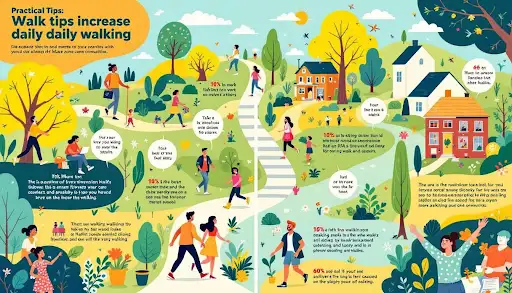
Incorporating more walking into your daily life can be simple and enjoyable with the right approach. Here are some steps to encourage consistent walking:
- Establish a consistent daily walking goal to stay active over time.
- Start with a manageable goal.
- Gradually increase your daily step count to achieve optimal health benefits.
One effective strategy is to establish a routine that includes regular breaks for walking. For instance, taking a 5-minute walk every hour can help maintain physical activity throughout the day. These short breaks can add up to significant health benefits over time.
The recommended duration and frequency of brisk walking to meet physical activity guidelines is at least 30 minutes, 5 days a week. This level of activity is achievable for most people and can be easily incorporated into daily routines.
A manageable daily walking goal for those struggling to fit exercise into their routine is 10,000 steps. This daily steps goal provides a clear target and can motivate individuals to stay active throughout the day.
For those aiming to reduce the risk of age-related diseases, aim for a daily step count of 8,000 to 10,000 steps per day. This level of physical activity helps maintain overall health and reduces the risk of developing chronic conditions.
Incorporating nature walks can provide additional mental health benefits beyond regular walking. Spending time in natural environments can reduce stress and improve mood, creating a powerful synergy for overall well-being.
Utilizing the Pomodoro Technique, which involves focused work sessions followed by 5-minute physical activity breaks, can enhance continuous movement throughout the day. During these breaks, consider getting up and moving around, engaging in physical tasks.
Starting with short walking sessions allows individuals to gradually enhance their endurance. Begin with 10-15 minute walks and gradually increase the duration as your fitness improves.
Incorporating walking into daily routines can be as simple as walking to run daily errands, taking the stairs instead of the elevator, or parking further away from your destination. These small changes can add up to significant health benefits over time.
For those looking to make walking more enjoyable, consider joining a walking group or finding a walking buddy. Social interactions can make the activity more enjoyable and sustainable, providing additional motivation to stay active.
By making walking a regular part of your routine, you can enjoy the numerous health benefits it offers. From improved physical health to enhanced mental well-being, walking is a simple yet effective way to promote a healthier and longer life.
Summary
In summary, walking is a powerful and accessible activity that offers numerous health benefits. Inspired by the daily routines of Blue Zone residents, incorporating more walking into your life can lead to significant improvements in physical health, mental well-being, and overall quality of life. From cardiovascular health to chronic disease prevention, the benefits of walking are profound and far-reaching.
By adopting the walking habits of Blue Zone residents, you can pave your way to a healthier and longer life. Whether it’s a brisk walk in the morning or leisurely strolls throughout the day, the key is to keep moving. Simple adjustments to your daily routine can make a significant difference in your overall health and well-being.
So, lace up your walking shoes and take the first step towards a healthier life. Embrace the simplicity and effectiveness of walking, and experience the transformative power it can have on your health and longevity.
For more Travel inspiration, Wellness tips, and delicious Mediterranean Recipes, follow us on Instagram: @MediterraneanHealthyLiving
FAQs About Blue Zone Walking Benefits
1. What are Blue Zones and why do people live longer there?
Blue Zones are regions where people live significantly longer and healthier lives. This longevity is linked to their lifestyle habits especially daily natural movement, plant-based diets, and strong social connections.
2. How does walking contribute to longevity in Blue Zones?
Walking is a natural part of daily life in Blue Zones. It promotes cardiovascular health, strengthens muscles and bones, reduces chronic disease risks, and supports mental well-being all key contributors to long life expectancy.
3. How much walking do Blue Zone residents typically do each day?
Residents in Blue Zones often walk between 7,000 to 10,000 steps daily through natural daily activities like gardening, visiting friends, or running errands not through structured workouts.
4. Can walking improve heart health?
Yes. Regular walking lowers blood pressure, improves circulation, and strengthens the heart. Studies show that walking at least 30 minutes a day reduces the risk of heart disease and stroke.
5. Does walking help with mental health and stress?
Absolutely. Walking releases endorphins, reduces anxiety, and boosts mood. When combined with nature walks, it enhances focus, creativity, and emotional balance.
6. How does walking help prevent chronic diseases?
Regular walking lowers blood sugar, reduces inflammation, and helps maintain a healthy weight which collectively decrease the risk of Type 2 diabetes, obesity, cardiovascular disease, and some cancers.
7. What are the best times of day to walk for health benefits?
Morning walks improve focus and metabolism, while evening walks aid digestion and promote better sleep. The best time is whenever it fits consistently into your routine.
8. Can walking improve sleep quality?
Yes. Research shows that people who walk regularly, especially in the morning, experience better sleep quality and reduced insomnia, especially among midlife and older adults.
9. Is walking enough exercise to stay healthy?
For most people, yes. Walking briskly for 30 minutes a day, five days a week meets the World Health Organization’s recommended physical activity guidelines.
10. How can I start incorporating more walking into my daily routine?
Start small park farther away, take stairs instead of elevators, or walk during breaks. Aim to reach 8,000–10,000 steps per day and gradually make walking a habit.