

Introduction: The Connection Between the Mediterranean Diet and Skin Health

If you’re searching for a way to achieve glowing, youthful skin, the Mediterranean diet for skin health might be just what you need. Known for its heart-healthy benefits, this diet is also a game-changer for your skin. The Mediterranean lifestyle focuses on nutrient-dense foods that provide your skin with the vitamins, antioxidants, and healthy fats it needs to thrive. From olive oil to leafy greens, the Mediterranean diet is packed with ingredients that can nourish your skin from within.
So, how exactly does the Mediterranean diet benefit your skin? It’s all about feeding your skin with the right nutrients, fighting off inflammation, and protecting it from damage. By adopting this diet, you can tackle common skin issues like dryness, acne, and signs of aging while promoting a healthy glow. Let’s dive into the reasons why this diet is so effective for glowing skin.
Key Takeaways
- The Mediterranean diet for skin health promotes a radiant complexion by providing essential nutrients like antioxidants, healthy fats, and vitamins.
- Olive oil, avocados, nuts, and berries are key components of this diet that nourish the skin and combat aging.
- Regular consumption of anti-inflammatory foods and hydration-rich ingredients like watermelon and herbal teas supports skin clarity and health.
The Benefits of the Mediterranean Diet for Your Skin
The Mediterranean diet doesn’t just focus on heart health; it’s a powerhouse for your skin as well. By choosing foods rich in vitamins, antioxidants, and healthy fats, you’re giving your skin the tools it needs to look and feel its best.
Anti-Aging Properties of Mediterranean Foods
One of the standout features of the Mediterranean diet for skin health is its ability to combat the visible signs of aging. The diet is rich in anti-aging Mediterranean foods such as olive oil, avocados, and berries. These foods contain powerful antioxidants like vitamin E and polyphenols, which help protect the skin from oxidative stress and UV damage, two major contributors to aging skin.
By incorporating these foods into your daily routine, you’ll nourish your skin from the inside out, keeping it smooth, youthful, and glowing. The healthy fats from olive oil and avocados also keep the skin hydrated, preventing the formation of fine lines and wrinkles.
Reducing Inflammation for Clearer Skin
Inflammation is a major contributor to skin issues like acne, eczema, and redness. The Mediterranean diet’s emphasis on anti-inflammatory foods like omega-3 fatty acids from fatty fish, olive oil, and leafy greens helps reduce inflammation throughout the body, including the skin. This makes it a great choice for those struggling with acne or irritated skin.
When inflammation is kept in check, your skin has a better chance to heal and maintain its natural glow. So, whether you’re dealing with blemishes or just want to maintain clear, even skin, the Mediterranean diet can help you achieve that.
Key Components of the Mediterranean Diet for Glowing Skin
Now that we’ve covered the benefits, let’s dive deeper into the key components of the Mediterranean diet that help keep your skin healthy and radiant.
Healthy Fats: The Building Blocks for Beautiful Skin
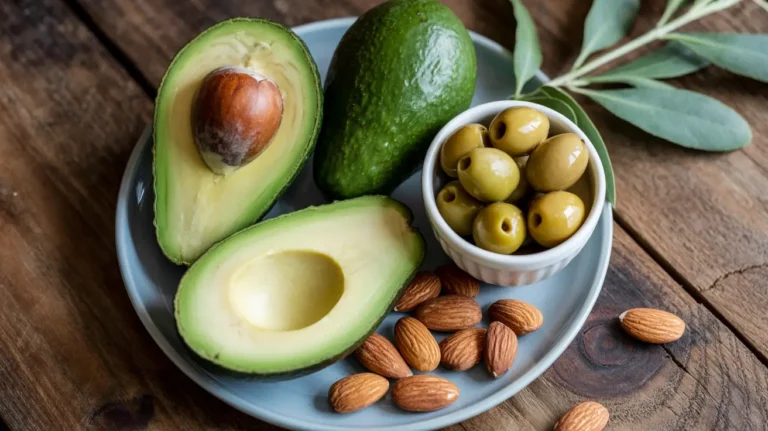
A hallmark of the Mediterranean diet is its focus on healthy fats, which are essential for maintaining healthy skin. Healthy fats, like those found in olive oil, avocados, and nuts, play a critical role in keeping the skin hydrated, maintaining its elasticity, and supporting cell repair.
Olive Oil: The Ultimate Skin Nourisher
Olive oil is one of the most important ingredients in the Mediterranean diet. Not only does it taste delicious, but it’s also packed with monounsaturated fats and vitamin E, which help hydrate and protect the skin. Studies have shown that olive oil for skin can help reduce wrinkles, improve skin elasticity, and protect against free radical damage, which contributes to aging.
Avocados and Nuts: Essential Sources of Healthy Fats
Both avocados and nuts such as almonds, walnuts, and pistachios are rich in healthy fats and omega-3 fatty acids, which are essential for maintaining the skin’s moisture barrier. These fats also promote skin cell regeneration, helping you maintain a youthful complexion. Eating avocados regularly can also boost the production of collagen, which keeps your skin firm and plump.
Antioxidant-Rich Fruits and Vegetables
The Mediterranean diet is rich in fruits and vegetables, many of which are packed with antioxidants that help protect the skin from damage and promote a youthful glow.
Berries: Small but Mighty Skin Protectors
Berries like blueberries, strawberries, and raspberries are packed with antioxidants that help protect the skin from oxidative stress and free radical damage. They also promote the production of collagen, which is essential for maintaining skin’s elasticity and strength. So, whether you enjoy them as a snack or in smoothies, berries are a powerful ally in the fight for glowing skin.
Leafy Greens and Cruciferous Vegetables: Skin Allies
Leafy greens like spinach, kale, and Swiss chard, along with cruciferous vegetables like broccoli and Brussels sprouts, are loaded with vitamins, minerals, and antioxidants that nourish the skin. These vegetables help detoxify the body, prevent acne, and improve circulation to the skin, giving it a healthy, glowing appearance.
Hydration: A Key Element in the Mediterranean Diet for Skin Health
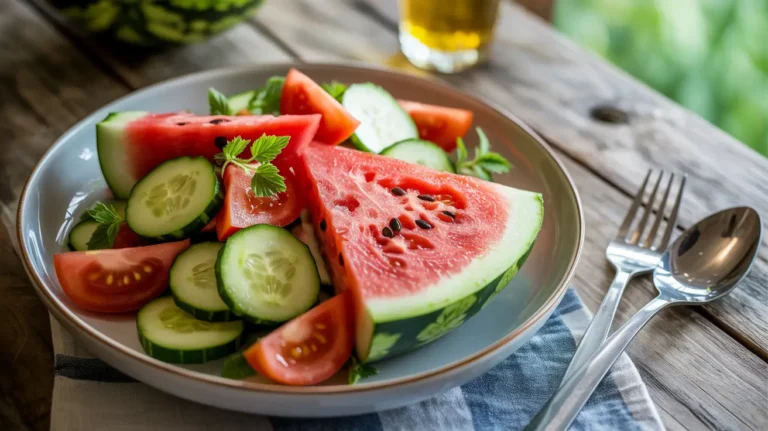
Hydration is crucial for skin health, and the Mediterranean diet emphasizes foods that are naturally hydrating and moisture-boosting.
Water-Rich Fruits and Vegetables for Skin Hydration
Fruits and vegetables with a high water content, such as watermelon, cucumbers, and tomatoes, help keep your skin hydrated and plump. Staying hydrated is vital for skin elasticity, preventing dryness, and maintaining a healthy complexion. By including these water-rich foods in your diet, you’re providing your skin with the hydration it needs to look its best.
Herbal Teas and Their Skin Benefits
Herbal teas like chamomile, mint, and green tea are not only soothing but also offer skin benefits. Green tea, in particular, is rich in polyphenols, which have antioxidant and anti-inflammatory properties that can help reduce skin irritation and fight the signs of aging. Sipping on these teas throughout the day is a simple way to keep your skin hydrated and nourished.
The Mediterranean Diet’s Role in Preventing Skin Damage
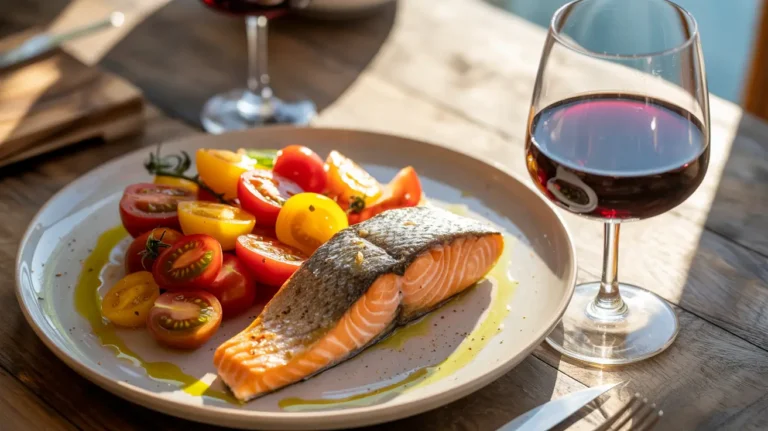
The Mediterranean diet not only promotes glowing skin but also helps protect it from environmental damage.
Protecting Skin from UV Damage with Mediterranean Foods
The Mediterranean diet’s abundance of antioxidants and healthy fats helps protect the skin from harmful UV rays, which can lead to premature aging and skin cancer. Foods like tomatoes, which are high in lycopene, and olive oil, known for its sun-protective properties, can help reduce the damage caused by UV rays. These foods act as a natural sunscreen, shielding the skin from the sun’s harmful effects.
Fighting Free Radicals with Antioxidants
Free radicals, unstable molecules that damage skin cells, are a major cause of skin aging and various skin conditions. The Mediterranean diet, rich in antioxidants, helps neutralize these free radicals. Foods like berries, leafy greens, and olive oil work together to fight oxidative stress and keep your skin looking youthful and radiant.
Easy Mediterranean Diet Tips for Glowing Skin
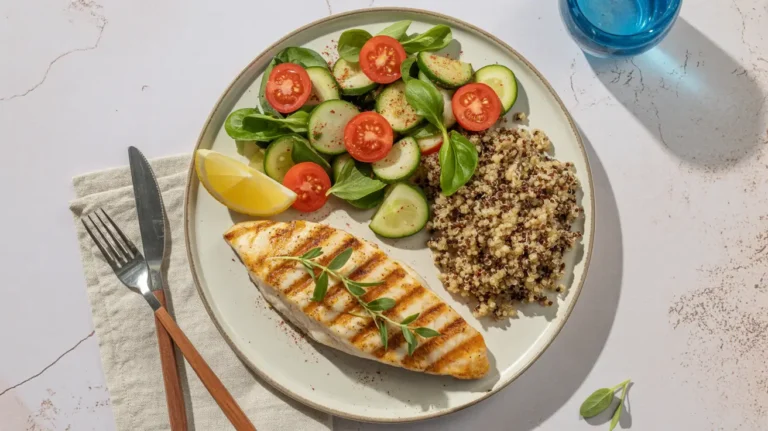
Adopting the Mediterranean diet for glowing skin doesn’t have to be complicated. Here are some simple tips to incorporate these skin-friendly foods into your daily routine:
Simple Meal Ideas for Healthy, Glowing Skin
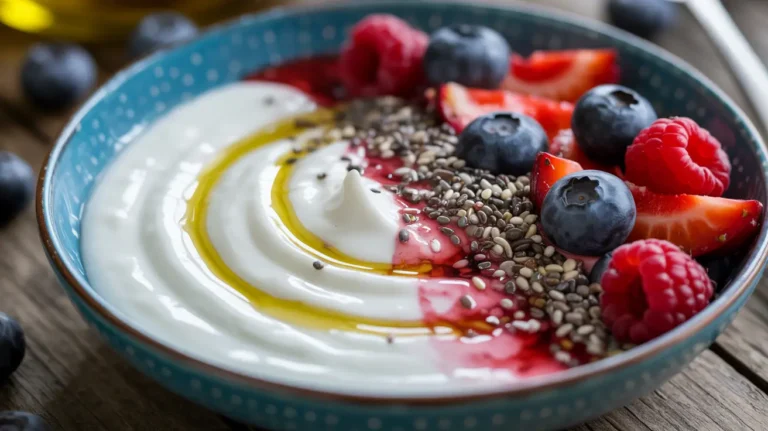
- Breakfast: Start your day with a bowl of Greek yogurt topped with fresh berries, a drizzle of honey, and a sprinkle of chia seeds.
- Lunch: Enjoy a Mediterranean salad with spinach, cucumbers, chickpeas, feta cheese, and a generous serving of olive oil.
- Dinner: Opt for grilled salmon with a side of roasted vegetables and quinoa, drizzled with extra virgin olive oil.
Incorporating Mediterranean Skin Foods into Your Daily Routine
- Snack on nuts like almonds and walnuts, which provide healthy fats and antioxidants.
- Drink herbal teas such as green tea or chamomile to hydrate and soothe your skin.
- Include olive oil in your cooking and as a dressing for salads to boost your skin’s hydration and glow.
Conclusion: Radiant Skin with the Mediterranean Diet

The Mediterranean diet for skin health offers a natural, sustainable way to nourish and protect your skin. By incorporating anti-aging Mediterranean foods, healthy fats, antioxidants, and hydration-rich ingredients, you can achieve glowing, youthful skin from the inside out. The Mediterranean way of eating isn’t just about what’s on your plate it’s about embracing a lifestyle that nourishes your body and skin in a holistic way. Start adopting these Mediterranean habits today for a healthier, more radiant complexion tomorrow!
For more Travel inspiration, Wellness tips, and delicious Mediterranean Recipes, follow us on Instagram: @MediterraneanHealthyLiving
FAQs on Mediterranean Diet for Skin Health
- How does the Mediterranean diet help improve skin health?
The Mediterranean diet is rich in anti-inflammatory foods, healthy fats, and antioxidants, which help reduce inflammation, fight free radicals, and promote healthy skin. - What are the best foods for glowing skin in the Mediterranean diet?
Olive oil, avocados, berries, leafy greens, and fatty fish like salmon are among the best foods for glowing, healthy skin in the Mediterranean diet. - Can the Mediterranean diet prevent wrinkles?
Yes, the diet’s high content of antioxidants, omega-3 fatty acids, and vitamin E helps reduce wrinkles by protecting the skin from oxidative damage and keeping it hydrated. - Is olive oil good for skin health?
Yes, olive oil is rich in monounsaturated fats and vitamin E, which nourish and hydrate the skin, reducing the appearance of wrinkles and maintaining skin elasticity. - How can I hydrate my skin with the Mediterranean diet?
Incorporate water-rich fruits like watermelon and cucumbers, and herbal teas such as green tea and chamomile, which keep your skin hydrated and healthy. - What are the benefits of Mediterranean vegetables for skin?
Leafy greens and cruciferous vegetables like broccoli are packed with vitamins and antioxidants that detoxify the skin and protect it from UV damage. - How does the Mediterranean diet help with acne?
The Mediterranean diet helps reduce inflammation and regulates blood sugar levels, which can help prevent acne breakouts and support clearer skin. - Can the Mediterranean diet improve my complexion?
Yes, the Mediterranean diet promotes a clearer complexion by reducing oxidative stress, hydrating the skin, and providing nutrients that support collagen production. - What Mediterranean foods can help with sun protection?
Olive oil, tomatoes, and fatty fish are great for protecting the skin from UV damage due to their high content of antioxidants and healthy fats. - Is the Mediterranean diet good for reducing skin inflammation?
Yes, anti-inflammatory foods like omega-3 fatty acids and olive oil in the Mediterranean diet help calm skin inflammation and improve skin health.