

Introduction: The Connection Between the Mediterranean Diet and Gut Health

When we think about the Mediterranean diet, images of sun-kissed shores, fresh seafood, and wholesome, colorful plates filled with fruits, vegetables, and whole grains come to mind. But beyond its delicious flavors, this ancient eating style offers a powerful benefit for your gut health. It’s a diet that not only supports weight loss and heart health, but also plays a crucial role in promoting a healthy gut microbiome, which is essential for overall well-being.
In this article, we’ll dive into how the Mediterranean diet can help nourish your microbiome, the community of bacteria and other microorganisms living in your gut. We’ll also explore the key foods that contribute to digestive health, how this diet can reduce inflammation, and provide practical tips for incorporating the Mediterranean way of eating into your daily life.
Key Takeaways
- The Mediterranean diet is rich in fiber, healthy fats, and probiotics, all of which promote a healthy gut microbiome.
- Olive oil, whole grains, legumes, and fermented foods are key elements in maintaining digestive health.
- The Mediterranean lifestyle focuses on balance and whole foods, reducing inflammation and supporting digestion for long-term well-being.
Understanding Gut Health and the Microbiome
The gut microbiome is the community of microorganisms living in your digestive system, including bacteria, fungi, and viruses. These microbes play a vital role in maintaining your overall health, influencing everything from your immune system to your mood and metabolism. But how exactly does the Mediterranean diet impact this microscopic world inside you?
What is the Microbiome and Why Does It Matter?
Your microbiome is often referred to as your “second brain” because it influences so many aspects of your body’s functioning. A balanced microbiome is essential for proper digestion, a strong immune system, and even mental health. When your microbiome is out of balance, it can lead to issues like bloating, gas, irritable bowel syndrome (IBS), and even chronic diseases like diabetes and heart disease.
The Mediterranean diet is particularly beneficial for nurturing a healthy microbiome. By focusing on whole, plant-based foods, healthy fats, and fermented foods, it promotes the growth of beneficial bacteria and helps regulate gut function.
How Diet Affects Your Gut Microbiome
What you eat directly affects the balance of your microbiome. A diet rich in processed foods, sugars, and unhealthy fats can promote the growth of harmful bacteria, leading to digestive problems and inflammation. On the other hand, a Mediterranean diet, which is abundant in fiber, healthy fats, and antioxidants, provides nourishment for beneficial bacteria, helping them thrive and maintain balance in your gut.
Key Elements of the Mediterranean Diet for Gut Health
The Mediterranean diet is packed with key components that promote gut health. Let’s explore the foods that make this diet so effective for improving digestion and supporting a healthy microbiome.
Fiber-Rich Foods: The Foundation of a Healthy Gut
One of the primary reasons the Mediterranean diet is so beneficial for gut health is its high content of fiber-rich foods. Fiber is essential for digestion as it helps move food through the digestive system, promotes the growth of beneficial gut bacteria, and prevents constipation.
Whole Grains: The Power of Fiber in Digestion
Whole grains like quinoa, brown rice, and farro are packed with fiber and play an important role in maintaining digestive health. The fiber in whole grains acts as a prebiotic, feeding the beneficial bacteria in your gut and helping them thrive. These grains also stabilize blood sugar levels and improve intestinal health, making them a great addition to any gut-friendly Mediterranean meal.
Legumes and Vegetables: Gut-Friendly Powerhouses
Legumes (such as lentils, chickpeas, and beans) and vegetables are rich in fiber and antioxidants, making them excellent choices for maintaining a healthy microbiome. These foods promote gut health by supporting the growth of beneficial bacteria, improving digestion, and reducing inflammation. Leafy greens, like spinach and kale, and cruciferous vegetables, such as broccoli and cauliflower, are particularly beneficial for gut health due to their high fiber and anti-inflammatory properties.
Healthy Fats: Nourishing Your Gut Microbiome
While fats are often demonized in other diets, the Mediterranean diet promotes the consumption of healthy fats, which are essential for maintaining a balanced microbiome. These fats support the absorption of fat-soluble vitamins and help reduce inflammation, both of which are important for gut health.
Olive Oil: The Key Fat for Gut Health
Olive oil is the cornerstone of the Mediterranean diet and plays a significant role in gut health. Rich in monounsaturated fats and antioxidants, olive oil helps promote a healthy balance of gut bacteria. Studies have shown that the anti-inflammatory properties of olive oil can help protect the digestive system from chronic diseases, while also promoting the growth of beneficial bacteria in the gut.
Avocados and Nuts: The Role of Healthy Fats
Avocados and nuts, such as almonds and walnuts, are other sources of healthy fats in the Mediterranean diet. These nutrient-dense foods provide healthy fats that support the growth of beneficial gut bacteria, helping to maintain gut health. Additionally, the fiber in avocados and nuts aids digestion and supports healthy bowel movements.
Fermented Foods: Natural Probiotics for Gut Health

Fermented foods are another cornerstone of the Mediterranean diet. These foods are rich in probiotics, which are beneficial bacteria that help balance your gut microbiome and improve digestion.
Yogurt and Kefir: Probiotics for a Healthy Gut Flora
Yogurt and kefir are two of the most popular fermented foods in the Mediterranean diet. Both are rich in live probiotics, which help replenish the good bacteria in your gut. The consumption of these foods has been linked to improved gut health, better digestion, and a stronger immune system. These probiotic-rich foods help restore balance to the gut, especially after taking antibiotics or experiencing digestive issues.
Traditional Mediterranean Fermented Foods
In addition to yogurt and kefir, the Mediterranean diet also includes other fermented foods like pickled vegetables, fermented olives, and sauerkraut. These foods are rich in beneficial bacteria and can help enhance the diversity of your gut microbiome, which is key to maintaining optimal digestive health.
The Mediterranean Diet’s Impact on Gut Health
The Mediterranean diet offers numerous benefits for the gut. By focusing on fiber, healthy fats, and fermented foods, this diet helps promote a healthy microbiome, reduce inflammation, and improve overall digestion.
Reducing Inflammation and Supporting Digestion
One of the primary ways the Mediterranean diet supports gut health is through its anti-inflammatory properties. Chronic inflammation in the gut can lead to digestive issues like IBS, heartburn, and even conditions like Crohn’s disease. The foods in the Mediterranean diet, particularly olive oil, fatty fish, and antioxidant-rich fruits, help reduce inflammation, allowing the digestive system to function more smoothly.
Balancing Gut Bacteria for Better Digestion and Immunity
A healthy gut microbiome is essential for digestion and immune function. The Mediterranean diet encourages the consumption of foods that promote the growth of beneficial gut bacteria, including fiber-rich vegetables, fermented foods, and healthy fats. A balanced microbiome improves digestion, enhances nutrient absorption, and supports a strong immune system, keeping you healthier overall.
Practical Tips for Incorporating the Mediterranean Diet for Gut Health

Now that you understand how the Mediterranean diet promotes gut health, let’s explore how you can incorporate it into your daily life for optimal digestion and a healthier gut.
Easy Mediterranean Meals for Gut Health
- Breakfast: Start your day with a bowl of Greek yogurt, topped with berries, a drizzle of honey, and a sprinkle of chia seeds.
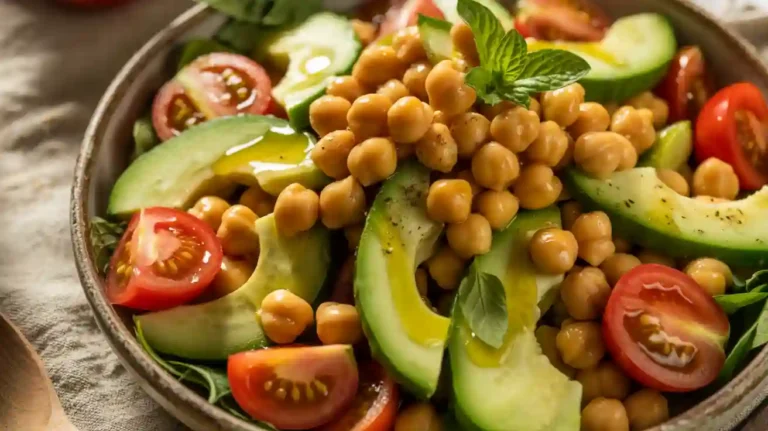
- Lunch: Try a Mediterranean salad with cucumbers, tomatoes, chickpeas, and a generous drizzle of olive oil.
- Dinner: For dinner, enjoy grilled salmon with a side of quinoa and steamed vegetables.
How to Maintain a Mediterranean-Inspired Gut-Friendly Diet
To maintain a gut-friendly Mediterranean diet, aim to:
- Incorporate more fiber into every meal with whole grains, vegetables, and legumes.
- Use olive oil as your primary fat for cooking and dressing salads.
- Include fermented foods like yogurt, kefir, and pickled vegetables in your diet regularly.
- Eat a variety of fruits and vegetables to ensure a wide range of nutrients and antioxidants.
Conclusion: Supporting Your Gut Health with the Mediterranean Diet
The Mediterranean diet is not only a delicious way of eating but also a powerful tool for improving gut health. By focusing on whole foods, healthy fats, fiber, and probiotics, this diet helps support your gut microbiome, reduce inflammation, and improve digestion. Whether you’re looking to improve your digestive health, boost your immune system, or simply adopt a healthier lifestyle, the Mediterranean diet offers a sustainable and enjoyable path to well-being.
For more Travel inspiration, Wellness tips, and delicious Mediterranean Recipes, follow us on Instagram: @MediterraneanHealthyLiving
FAQs on the Mediterranean Diet and Gut Health
- How does the Mediterranean diet help gut health?
The Mediterranean diet promotes a healthy microbiome by focusing on fiber-rich foods, healthy fats, and fermented foods, which support digestion and gut flora balance. - Is the Mediterranean diet good for digestion?
Yes, the Mediterranean diet is rich in fiber and healthy fats, both of which improve digestion and reduce inflammation in the digestive system. - What are some Mediterranean foods for a healthy gut?
Key foods include whole grains, legumes, olive oil, yogurt, and fermented vegetables. These foods are rich in fiber and probiotics that nourish the gut. - Can the Mediterranean diet help with IBS?
Yes, the Mediterranean diet can help manage IBS by reducing inflammation and supporting a healthy balance of gut bacteria. - Are fermented foods important in the Mediterranean diet?
Yes, fermented foods like yogurt and kefir are essential in the Mediterranean diet, providing probiotics that improve gut health. - Can the Mediterranean diet help with bloating?
Yes, the diet’s focus on fiber-rich vegetables, healthy fats, and fermented foods can help reduce bloating and support digestion. - Is olive oil good for gut health?
Yes, olive oil is a key part of the Mediterranean diet and is known for its anti-inflammatory properties, which support gut health. - How often should I include fermented foods in my diet?
Aim to include fermented foods like yogurt and kefir daily to benefit from probiotics that support gut health. - Can the Mediterranean diet help reduce acid reflux?
Yes, the Mediterranean diet can help reduce acid reflux by promoting anti-inflammatory foods and reducing irritation in the digestive tract. - What are the benefits of fiber for gut health?
Fiber promotes digestion, reduces constipation, and supports the growth of healthy gut bacteria, all of which are crucial for maintaining gut health.