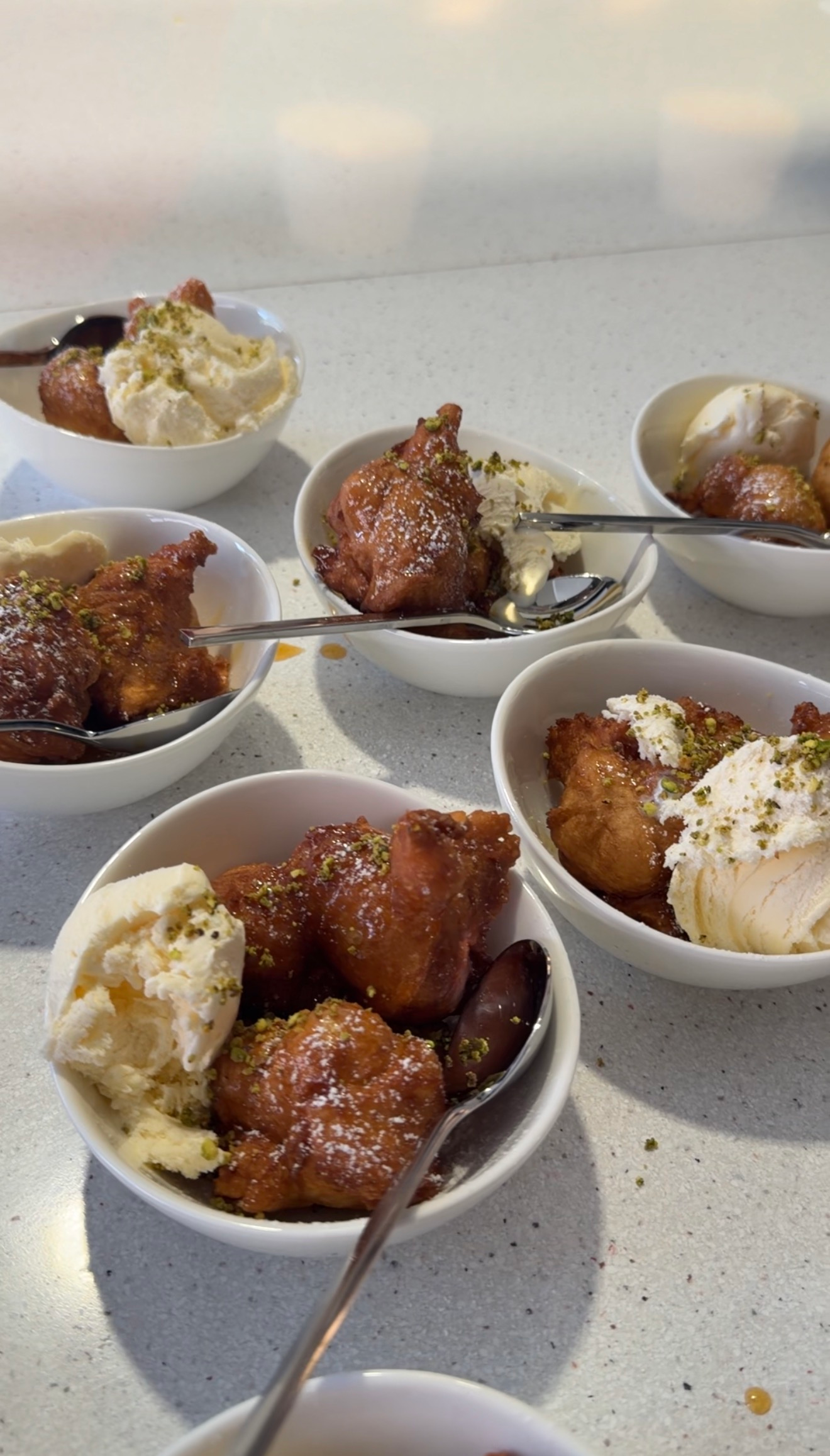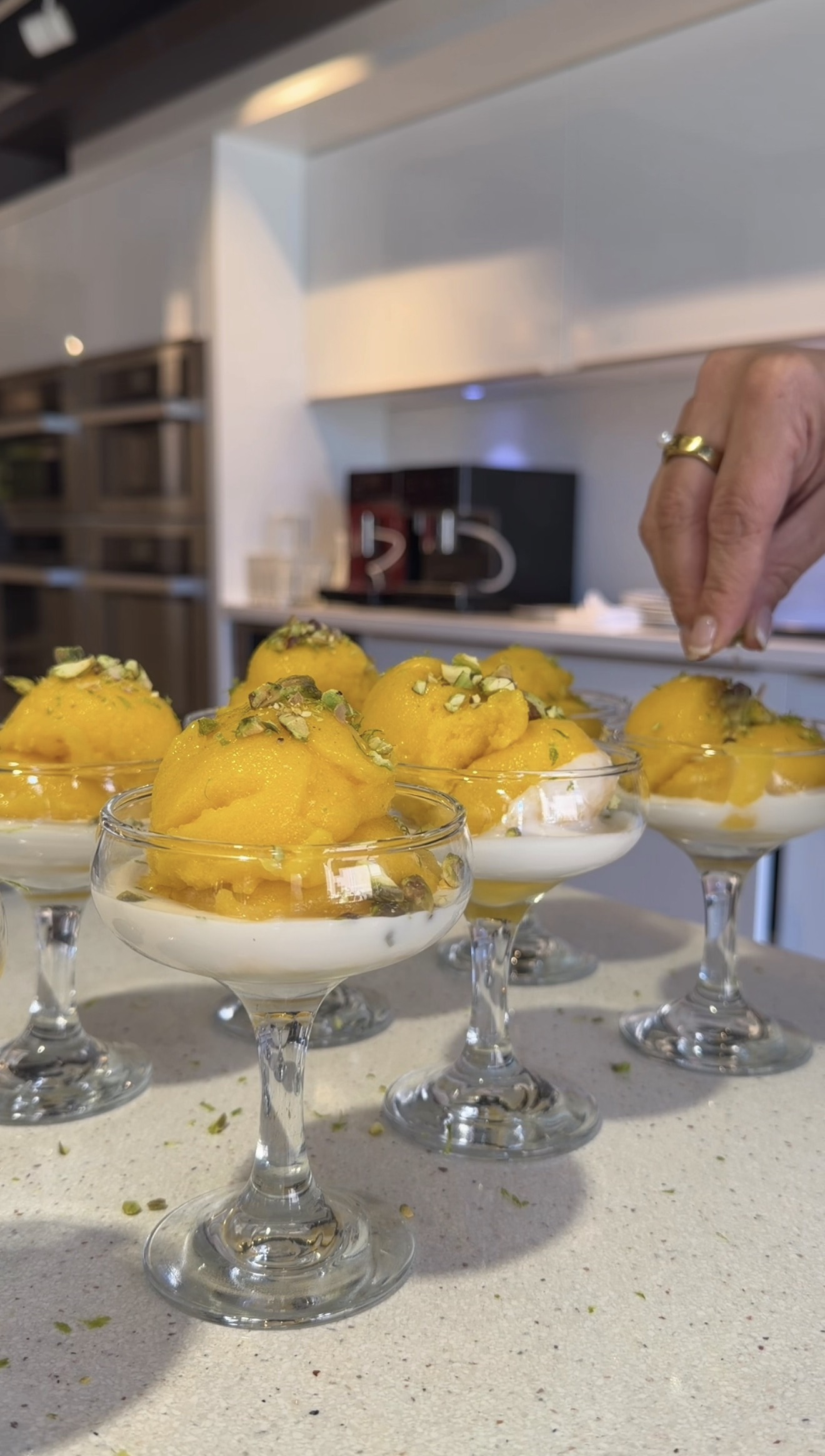


Mediterranean desserts that are good for you are not about removing joy from the table. They are about choosing sweets that feel satisfying while leaning on ingredients the Mediterranean kitchen already celebrates: fresh fruit, nuts, yogurt, olive oil, whole grains, citrus, spices, and modest amounts of honey or other sweeteners.
That means baklava, fruit tarts, olive oil cakes, poached fruit, and Greek yogurt parfaits can all fit into a balanced lifestyle when they are made thoughtfully. The key is not pretending dessert is a salad. The key is building sweets with real flavor, better texture, and portions that leave you feeling pleased instead of heavy.
This article is for general wellness education only and is not medical or nutrition advice. For diabetes, heart disease, food allergies, digestive conditions, or a therapeutic diet, ask a qualified health professional how desserts can fit your needs.
What Makes a Mediterranean Dessert Good for You?
A better-for-you Mediterranean dessert usually has three qualities: it starts with whole or minimally processed ingredients, it uses sweetness with intention, and it brings satisfaction through flavor rather than excess.
Fruit is often the foundation. Think figs with walnuts, oranges with cinnamon, berries with yogurt, baked apples with pistachios, or dates stuffed with almond butter. These desserts taste sweet because the ingredients are naturally sweet, not because they are overloaded with syrup.
Nuts and seeds also play a major role. Almonds, walnuts, pistachios, sesame seeds, and hazelnuts add crunch, richness, and staying power. They make a small dessert feel more complete. Yogurt, ricotta, and labneh can add creaminess and protein, especially when paired with fruit.
For more everyday food inspiration rooted in this style of eating, explore these Mediterranean food and drink principles.
Better Baklava Without Losing Its Soul
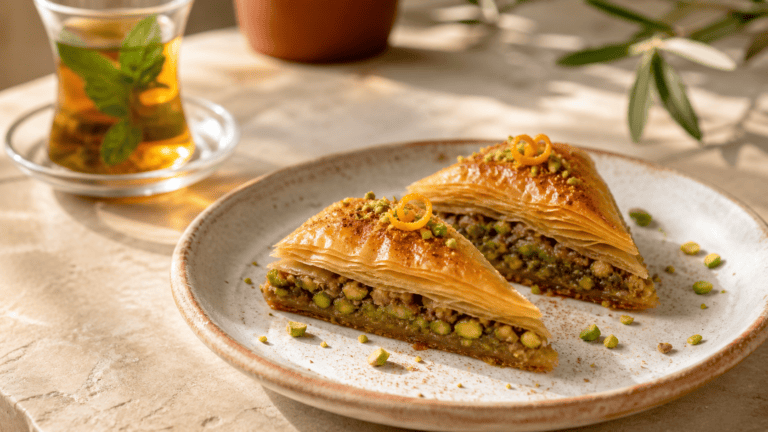
Baklava is rich, celebratory, and deeply tied to Mediterranean and Middle Eastern food traditions. A “healthy baklava” should still taste like baklava. The goal is to lighten the experience, not erase the dessert.
Start with a nut-forward filling. Use finely chopped walnuts, pistachios, or almonds with cinnamon, orange zest, and a pinch of clove or cardamom. These ingredients create aroma and depth, so you need less syrup for the dessert to feel complete.
You can also make smaller pieces. Traditional baklava is dense, and a small diamond or square can be enough when it is served slowly with mint tea or coffee. Another option is a baklava-inspired yogurt bowl: thick Greek yogurt, chopped pistachios, a few crisp phyllo shards, cinnamon, and a light drizzle of honey. It gives you the flavor cues of baklava in a more everyday format.
Fruit-Based Tarts That Feel Fresh, Not Heavy
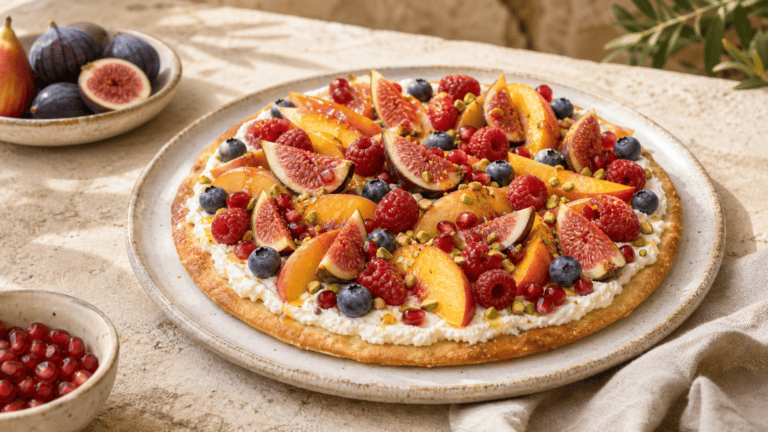
Fruit-based tarts are one of the easiest ways to make dessert feel colorful and seasonal. Instead of a thick, buttery crust and heavy pastry cream, try a crisp olive oil crust, a nut-date crust, or a thin whole grain base.
For the filling, use lightly sweetened ricotta, strained Greek yogurt, or almond cream in a thin layer. Then pile on fruit: sliced peaches, figs, plums, berries, pears, oranges, or grapes. A small brush of warm honey or apricot preserves can add shine without turning the tart overly sweet.
The best fruit tarts taste like the season. In summer, choose berries and stone fruit. In fall, try pears with walnuts and cinnamon. In winter, use oranges, pomegranate, pistachios, and a little dark chocolate shaving.
Greek Yogurt Parfaits for Everyday Dessert
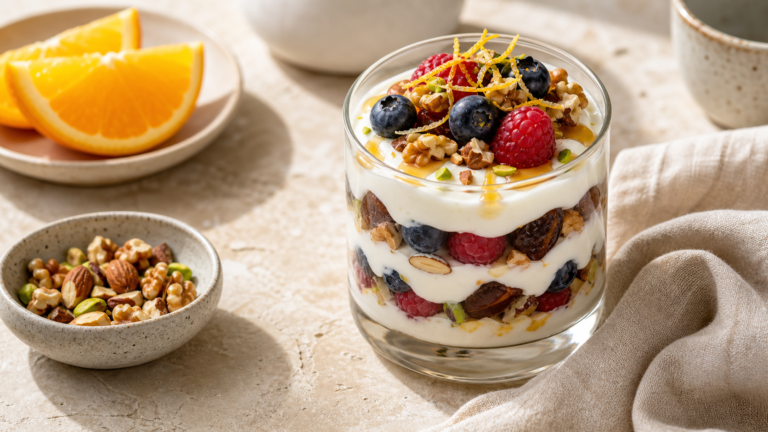
Greek yogurt parfaits are ideal when you want something sweet after dinner but do not want to bake. Start with plain Greek yogurt rather than a heavily sweetened yogurt. Add fruit, crunch, and a finishing touch.
A simple parfait formula is: yogurt, fruit, nuts, spice, and a small drizzle. Try yogurt with berries, almonds, lemon zest, and honey. Or layer yogurt with chopped dates, walnuts, cinnamon, and orange slices. For a more dessert-like version, add cocoa powder, cherries, pistachios, and a few dark chocolate curls.
The texture matters. Use thick yogurt, toasted nuts, and ripe fruit. A parfait should feel like a real dessert, not a compromise.
Olive Oil Cakes, Poached Fruit, and Other Simple Sweets
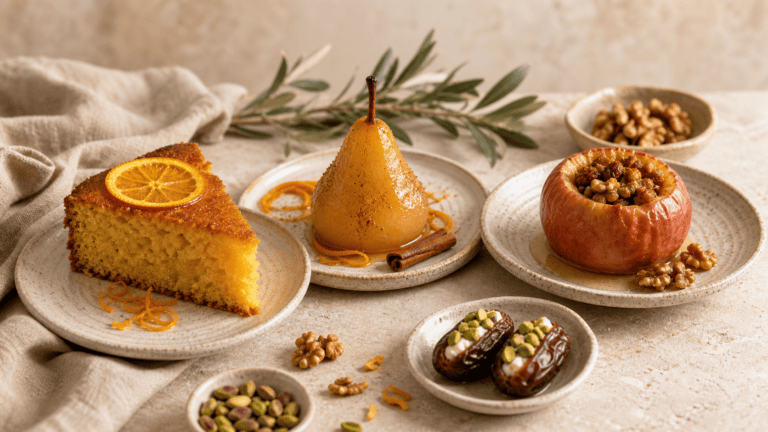
Mediterranean baking often uses olive oil, citrus, nuts, and fragrant spices. A small slice of olive oil cake with oranges or berries can be a satisfying dessert, especially when the cake is not overly sweet. Almond flour or part whole wheat flour can add flavor and structure.
Poached fruit is another elegant option. Pears simmered with cinnamon, citrus peel, and a little honey become soft, fragrant, and naturally sweet. Baked apples with walnuts and raisins offer the same cozy feeling as pie with less fuss.
Stuffed dates are perfect for quick entertaining. Fill dates with walnuts, almonds, tahini, or ricotta, then sprinkle with sesame seeds or orange zest. Because dates are intensely sweet, one or two can feel complete.
How to Keep Mediterranean Desserts Balanced
The healthiest dessert habit is not perfection. It is awareness. Choose desserts you truly enjoy, serve them in portions that make sense, and eat them slowly.
A helpful approach is to make dessert part of the meal rather than a separate grazing event. Serve fruit and yogurt after dinner, share a small plate of baklava, or bring a fruit tart to the table with tea. This keeps dessert connected to pleasure, conversation, and satisfaction.
When baking at home, reduce sweetness gradually. Add flavor with citrus zest, vanilla, cinnamon, cardamom, rosewater, orange blossom water, toasted nuts, or cocoa. These ingredients make desserts taste more complex, so you are less dependent on sugar alone.
Mediterranean desserts that are good for you are still desserts. Enjoy them with intention, not guilt. The best ones honor tradition, use beautiful ingredients, and remind you that healthy living can include something sweet.
Bring More Mediterranean Sweetness Into Your Routine
Discover simple recipes, nourishing food ideas, and everyday inspiration for a balanced Mediterranean lifestyle. Follow along for fresh ways to enjoy healthy living without giving up the foods you love.
FREQUENTLY ASKED QUESTIONS
1. Are Mediterranean desserts actually healthy?
They can be, depending on ingredients and portions. Mediterranean-style desserts often use fruit, nuts, yogurt, olive oil, citrus, and spices. They are still sweets, so the healthiest approach is to enjoy them mindfully rather than treating them as unlimited health foods.
2. What is the healthiest Mediterranean dessert?
A simple Greek yogurt parfait with fresh fruit, nuts, cinnamon, and a small drizzle of honey is one of the most balanced options. It offers creaminess, natural sweetness, crunch, and satisfaction without needing a large amount of added sugar.
3. Can baklava be good for you?
Baklava is rich and sweet, but it can fit into a balanced diet in small portions. A better-for-you version uses more nuts, warm spices, smaller pieces, and a lighter syrup. For everyday eating, try a baklava-inspired yogurt bowl.
4. How much added sugar is reasonable in dessert?
A practical goal is to keep added sugar modest and choose desserts that also include fruit, nuts, yogurt, or whole grains. The Dietary Guidelines for Americans recommend limiting added sugars to less than 10 percent of daily calories. (Dietary Guidelines)
5. Are Greek yogurt parfaits good for weight management?
They may help some people feel satisfied because they combine protein-rich yogurt with fruit and crunchy toppings. Keep portions reasonable and choose plain yogurt. Weight management depends on the whole eating pattern, activity level, sleep, health status, and overall calorie intake.
6. What fruits work best in Mediterranean desserts?
Figs, dates, oranges, pears, apples, grapes, pomegranates, berries, peaches, apricots, and plums all work beautifully. Choose ripe, seasonal fruit whenever possible because better flavor means you can use less added sweetener.
7. Is honey healthier than sugar?
Honey has a distinct flavor and is common in Mediterranean sweets, but it still counts as an added sweetener. Use it for taste, not as a free pass. A small drizzle can go a long way when paired with fruit, nuts, and yogurt.
8. What desserts fit a Mediterranean diet pattern?
Fruit, nuts, olive oil, whole grains, legumes, and yogurt all align well with a Mediterranean-style pattern. Harvard’s Nutrition Source describes the Mediterranean diet as primarily plant-based and rich in foods such as fruits, vegetables, whole grains, olive oil, beans, and nuts. (The Nutrition Source)
9. Can I make Mediterranean desserts dairy-free?
Yes. Use coconut yogurt, almond yogurt, cashew cream, tahini, nut butter, or olive oil-based cakes. Fruit, nuts, dates, citrus, cocoa, and spices can create rich flavor without dairy. Check labels if you need a fully dairy-free dessert.
10. What is a quick Mediterranean dessert for guests?
Serve a platter with sliced oranges, dates, figs, walnuts, pistachios, dark chocolate pieces, and a bowl of Greek yogurt or labneh. Add cinnamon, mint, and a small dish of honey so guests can build their own dessert plate.
Lorem ipsum dolor sit amet, consectetur adipiscing elit. Ut elit tellus, luctus nec ullamcorper mattis, pulvinar dapibus leo.