

Table of Contents
Can the Mediterranean diet help with weight management? Yes, it can support weight loss or weight maintenance when it helps you eat mostly whole, satisfying foods in portions that match your needs. It is not a magic diet, and olive oil, nuts, pasta, bread, and wine can still add up. The advantage is that the pattern is flexible, flavorful, and easier for many people to keep using than a strict short-term plan.
The Mediterranean diet emphasizes vegetables, fruits, beans, lentils, whole grains, fish, seafood, yogurt, nuts, seeds, herbs, and extra virgin olive oil. It also encourages home-cooked meals, shared plates, walking, and enjoyment without constant restriction.
This article is for general education only. If you have diabetes, kidney disease, an eating disorder history, are pregnant, take weight-related medications, or need a therapeutic diet, ask a qualified health professional for personalized guidance.
How the Mediterranean Diet for Weight Management Works
The Mediterranean diet for weight management works best because it improves everyday meal quality. Vegetables, beans, lentils, fruit, whole grains, and fish bring fiber, protein, water, and texture, which can help meals feel more filling. That may reduce grazing and oversized portions without making food bland.
The diet also limits foods that often make weight management harder: highly processed snacks, sugary drinks, large dessert portions, and meals built mostly around refined starches. You do not have to remove every treat. The goal is to make the default meal balanced, then choose sweets, wine, or richer restaurant meals with intention.
A helpful mindset is this: Mediterranean eating is a structure, not a loophole. A salad drenched in oil, a large bowl of pasta, and nuts straight from the bag may be Mediterranean-inspired, but they may not fit your weight goal. Portions still count.
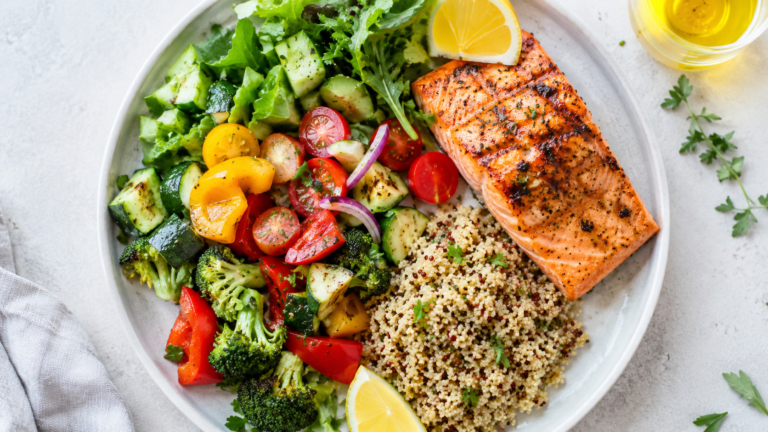
Start with half your plate as non-starchy vegetables. Good choices include tomatoes, cucumbers, peppers, greens, zucchini, eggplant, mushrooms, broccoli, cauliflower, asparagus, and cabbage. Roast them, grill them, add them to soups, or serve them chopped with lemon and herbs.
Next, add protein. Fish, chicken, turkey, eggs, Greek yogurt, beans, chickpeas, lentils, and tofu can all work. Protein helps meals feel complete, especially at breakfast and lunch.
Then choose a smart carbohydrate portion. Instead of avoiding carbs, pick higher-quality options such as farro, barley, oats, bulgur, quinoa, potatoes, sweet potatoes, whole-grain bread, beans, or fruit. Pasta can fit too; pair it with vegetables and protein rather than making it the whole meal.
Finally, add fat for flavor. Extra virgin olive oil, olives, avocado, nuts, seeds, and tahini are useful, but calorie-dense. Measure oil when progress has stalled. Try one tablespoon of olive oil in a vinaigrette or a sprinkle of nuts instead of an open handful.
For more meal-building inspiration, browse these Mediterranean foods and pantry ideas and choose simple ingredients you would actually cook on a normal weeknight.

Weight management usually depends on repeated habits, not one perfect recipe. Begin with a protein-rich breakfast such as Greek yogurt with berries and walnuts, eggs with greens and tomatoes, or oatmeal with chia seeds and fruit.
At lunch, build a bowl or salad with vegetables, protein, a fiber-rich carb, and a measured dressing. Try chickpeas, cucumbers, tomatoes, arugula, tuna, farro, olive oil, and red wine vinegar. This kind of lunch travels well and does not feel like “diet food.”
At dinner, keep the plate generous but balanced. Grilled salmon with roasted vegetables and potatoes, lentil soup with a side salad, or chicken souvlaki with cucumber yogurt sauce can all fit. The goal is to leave the table satisfied, not stuffed.
Also pay attention to drinks. Water, sparkling water, unsweetened tea, and coffee without heavy sweeteners are easy wins. Wine is traditional in some Mediterranean regions, but it is optional and can slow progress for some people.
Common Mistakes to Avoid
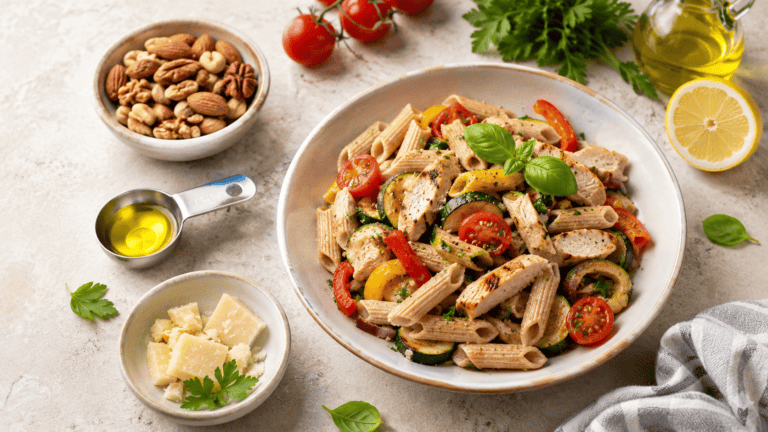
The first mistake is over-pouring olive oil. Olive oil is a healthy fat, but more is not always better for weight management. Use it where it improves taste most: dressings, finishing roasted vegetables, or sautéing aromatics.
The second mistake is treating nuts as unlimited. Nuts are nutritious and satisfying, but a small portion is enough. Pre-portion them if you tend to snack from the bag.
The third mistake is eating “Mediterranean” meals without enough protein. A plate of bread, pasta, and vegetables may taste wonderful, but it may not hold you for long. Add beans, fish, eggs, yogurt, poultry, or another protein source.
The fourth mistake is making the diet too strict. Leave room for bread, pasta, cheese, dessert, and restaurant meals in thoughtful portions so the plan feels livable.
A Simple One-Day Weight-Friendly Mediterranean Menu
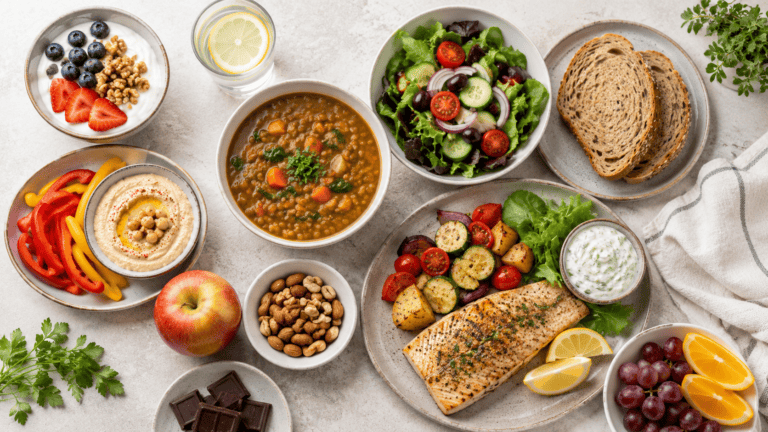
Breakfast: plain Greek yogurt with berries, cinnamon, and walnuts.
Lunch: lentil and vegetable soup with a side salad, olive oil vinaigrette, and whole-grain bread.
Snack: sliced peppers with hummus, or an apple with a small piece of cheese.
Dinner: grilled fish or chicken with roasted zucchini, tomatoes, potatoes, herbs, lemon, and tzatziki.
Dessert: fresh fruit, or a small square of dark chocolate if it fits your day.
Who May Need a More Personalized Plan
Some people need extra support. If you have a medical condition, take medications that affect appetite or blood sugar, or have tried many weight-loss plans without success, a registered dietitian can help adjust portions, protein, fiber, meal timing, and cultural food preferences.
The Mediterranean diet can be a strong foundation for weight management because it focuses on food quality, satisfaction, and long-term habits. The best version is not the lowest-calorie version. It is the version you can repeat, enjoy, and adapt while moving toward a healthy weight at a steady pace.
Explore Mediterranean recipes and follow along for simple food ideas, wellness inspiration, and practical kitchen habits.
FREQUENTLY ASKED QUESTIONS
1. Can the Mediterranean diet help me lose weight?
Yes, it can help when your meals create a sustainable calorie balance. The Mediterranean diet is filling because it emphasizes vegetables, legumes, whole grains, lean proteins, and healthy fats, but portions still matter.
2. How fast should I expect to lose weight?
A gradual pace is usually more sustainable than rapid weight loss. The CDC notes that steady weight loss, along with healthy eating, activity, sleep, and stress management, supports long-term results. (CDC)
3. Is the Mediterranean diet better than a low-fat diet?
It may be easier for many people to sustain because it includes flavorful fats like olive oil, nuts, and fish. Harvard Health describes Mediterranean-style eating as helpful for weight maintenance over time, though results still depend on overall habits. (Harvard Health)
4. Can I eat pasta on the Mediterranean diet?
Yes. Choose a reasonable portion and build the meal around vegetables and protein. For example, pair pasta with tomato sauce, greens, chickpeas, tuna, shrimp, or grilled vegetables instead of eating a large plain bowl.
5. How much olive oil should I use for weight management?
Use olive oil intentionally, not automatically. One measured tablespoon can add flavor to salads, vegetables, or beans. Pouring freely can make an otherwise balanced meal much higher in calories than expected.
6. What is the best Mediterranean breakfast for weight loss?
A strong breakfast includes protein, fiber, and produce. Try plain Greek yogurt with berries and nuts, eggs with spinach and tomatoes, or oatmeal with chia seeds, fruit, and cinnamon.
7. Do I need to exercise with the Mediterranean diet?
Regular movement helps with weight maintenance, fitness, mood, and overall health. Walking, strength training, swimming, cycling, gardening, or dancing can all fit a Mediterranean lifestyle when done consistently.
8. Can vegetarians use the Mediterranean diet for weight management?
Yes. Vegetarian Mediterranean meals can include lentils, chickpeas, beans, tofu, Greek yogurt, eggs, nuts, seeds, vegetables, fruit, and whole grains. Pay attention to protein at each meal so you stay satisfied.
9. What should I do if my weight stalls?
Review portions of olive oil, nuts, cheese, bread, pasta, desserts, and alcohol first. Then check protein, fiber, sleep, stress, and activity. A small adjustment is often more realistic than starting over.
10. Is wine required on the Mediterranean diet?
No. Wine is optional, not required. If you drink alcohol, keep it moderate and consider whether it affects appetite, sleep, cravings, or progress. Many people do better with sparkling water or unsweetened tea.