

Table of Contents
Lean protein foods for Mediterranean-style meals include fish, shellfish, skinless poultry, eggs, beans, lentils, chickpeas, Greek yogurt, low-fat dairy, tofu, tempeh, nuts, and seeds. The best choices are minimally processed, seasoned with herbs and olive oil, and served with vegetables, whole grains, and bright sauces instead of heavy toppings.
Nutrition note: This article is for general education and meal inspiration. People with kidney disease, food allergies, pregnancy-related seafood concerns, or prescribed medical diets should follow guidance from a qualified clinician or registered dietitian.
Why Protein Belongs in Mediterranean-Style Meals
Mediterranean-style eating is not a trendy high-protein diet. It is a balanced pattern built around vegetables, fruits, legumes, whole grains, herbs, nuts, seafood, fermented dairy, and extra virgin olive oil. Protein matters because it helps make meals satisfying, supports muscle maintenance, and gives structure to a plate.
The Mediterranean approach also looks at the “protein package.” Lentils bring protein plus fiber. Sardines bring protein plus omega-3 fats. Greek yogurt brings protein plus calcium and tang. Skinless chicken brings flexible protein without much saturated fat when it is grilled, baked, roasted, or simmered.
A simple plate formula works well: fill half the plate with colorful vegetables, one quarter with protein, and one quarter with whole grains or starchy vegetables. Add olive oil, lemon, herbs, garlic, spices, or yogurt-based sauces for flavor.
For a bigger view of the pattern, pair this guide with the site’s Mediterranean diet essentials and practical tips on customizing the Mediterranean diet.
Best Lean Protein Foods for Mediterranean-Style Meals
Fish and Seafood

Fish is one of the most classic Mediterranean protein choices. Salmon, sardines, trout, anchovies, tuna, cod, mahi mahi, shrimp, scallops, and mussels all fit the pattern. Fatty fish are not “lean” in the lowest-fat sense, but they are still smart Mediterranean choices because their fats are mostly unsaturated.
Use fish in meals that feel fresh, not complicated: grilled fish with tomato cucumber salad, tuna and white bean salad, shrimp with garlic and herbs, or baked cod with olives and lemon. For a weeknight idea, try the site’s Mahi Mahi Fish Tacos with crunchy cabbage and yogurt-lime sauce.
Beans, Lentils, and Chickpeas

Legumes are a Mediterranean protein staple and one of the easiest ways to make meals affordable. Lentils, chickpeas, white beans, fava beans, and cannellini beans work in soups, salads, stews, spreads, and grain bowls.
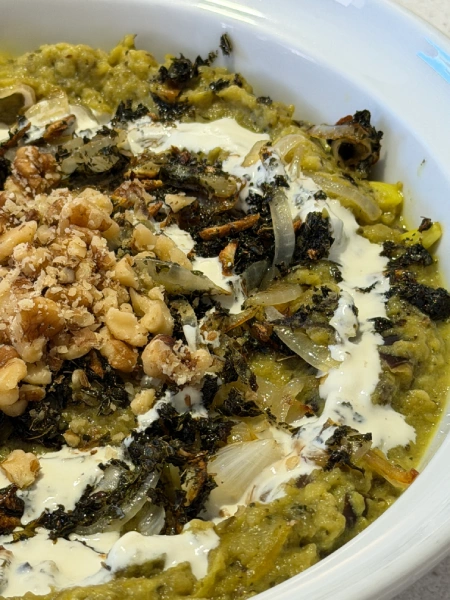
Toss chickpeas with cucumbers, tomatoes, parsley, lemon, and olive oil. Simmer white beans with kale and rosemary. Build a bowl with lentils, roasted carrots, greens, and tahini. For comfort food with plant-based protein, share Lentil Mushroom Shepherd’s Pie.
Skinless Chicken and Turkey

Chicken and turkey fit Mediterranean-style eating when they are lean, unprocessed, and seasoned generously. Choose skinless chicken breast, turkey breast, or trimmed poultry pieces when you want a lower-fat option. Chicken thighs can also work in moderation, especially when cooked with vegetables and the skin removed.
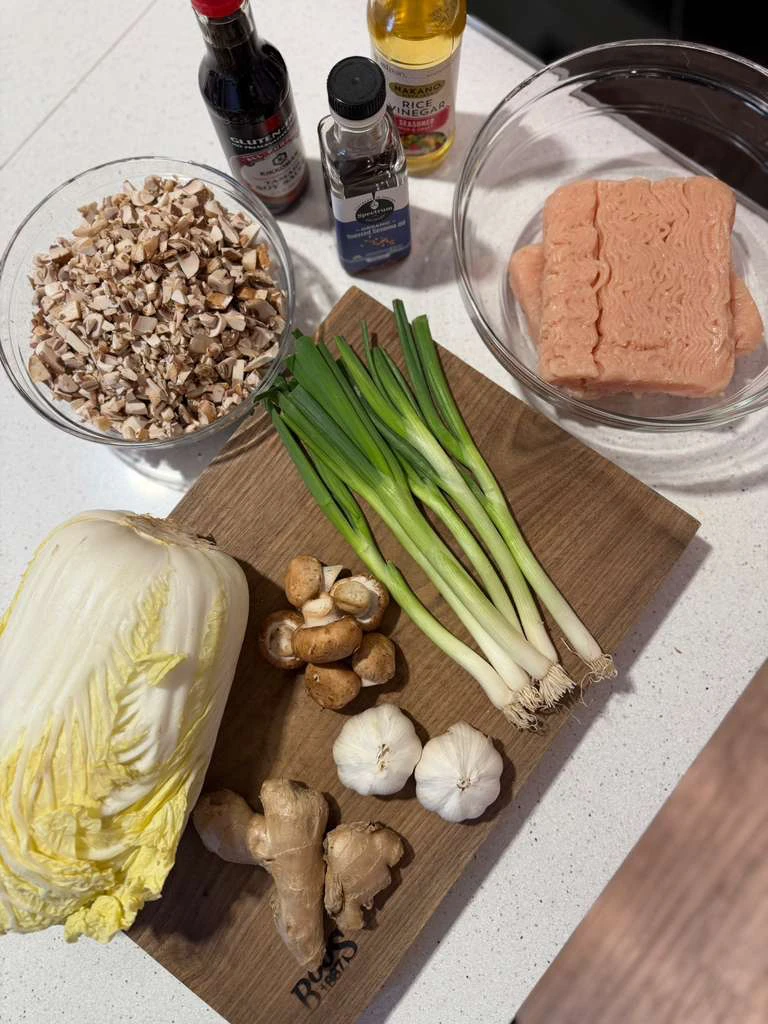
The flavor should come from lemon, garlic, oregano, parsley, saffron, paprika, turmeric, sumac, cumin, or za’atar rather than heavy breading or rich sauces. Roast chicken over onions and peppers, slice grilled poultry over salad, or fold leftover chicken into a wrap with hummus and cucumbers. Two useful recipe links are Herb and Walnut Chicken Salad and Persian Fusion Chicken Thighs.
Eggs and Greek Yogurt
Eggs are useful for quick Mediterranean meals because they cook fast and pair beautifully with vegetables. Try a spinach and tomato omelet, boiled eggs with cucumber and olives, or shakshuka-style eggs simmered in tomato sauce. If cholesterol or heart-health concerns apply, ask a clinician what intake is right for you.
Greek yogurt is another flexible protein. Use plain Greek yogurt for breakfast with berries and walnuts, as a base for tzatziki, or as a cooling sauce for grilled fish, chicken, lentil patties, or roasted vegetables. Choose unsweetened versions most often, then add fruit, cinnamon, honey, or nuts yourself.
Tofu, Tempeh, Nuts, and Seeds
Mediterranean-style meals can be vegetarian or mostly plant-forward. Tofu and tempeh absorb lemon, garlic, herbs, and olive oil well, making them easy swaps in salads, bowls, and skewers. Nuts and seeds are not low-fat foods, but they provide plant protein, texture, and healthy unsaturated fats in modest portions.
Try walnuts over yogurt, tahini over chickpeas, pistachios on roasted vegetables, or almonds in a grain salad. Rotate lean protein foods through the week so meals stay varied, satisfying, and easy to repeat. For more recipe inspiration, explore the site’s Mediterranean diet recipes and Food and Nutrition recipes.
How to Build Better Mediterranean Protein Meals

Start with one protein, one vegetable anchor, one fiber-rich carbohydrate, and one bold flavor booster. Pair salmon with asparagus, farro, and lemon-dill yogurt. Pair chickpeas with cucumber tomato salad, brown rice, and tahini. Pair chicken breast with roasted zucchini, whole-wheat couscous, and garlic herb sauce.
Batch cooking helps: roast chicken, boil eggs, cook lentils, wash greens, and keep yogurt sauce ready. The site’s Mediterranean meal prep ideas can support that weekly rhythm.
Lorem ipsum dolor sit amet, consectetur adipiscing elit. Ut elit tellus, luctus nec ullamcorper mattis, pulvinar dapibus leo.
Protein Mistakes to Avoid
The first mistake is thinking lean means dry. Mediterranean cooking uses acidity, herbs, spices, and olive oil to keep simple proteins lively. The second mistake is relying only on chicken breast. Rotate fish, beans, lentils, eggs, yogurt, and seafood for better variety.
The third mistake is treating protein as the whole meal. A Mediterranean plate still needs vegetables, legumes or whole grains, and satisfying flavor. For balance, serve protein with salads like a Heart Healthy Greek Salad or simple vegetable sides.
Final Takeaway
The best lean protein foods for Mediterranean-style meals are everyday ingredients fish, beans, lentils, chickpeas, chicken, turkey, eggs, Greek yogurt, tofu, nuts, and seeds prepared simply and paired with plants. Rotate them through the week, season them boldly, and build plates that feel colorful, filling, and easy to repeat.
Explore fresh recipes, practical wellness ideas, and Mediterranean-style inspiration you can use all week. Follow along for simple meals, seasonal ingredients, and nourishing habits that feel realistic and joyful.
Visit Mediterranean Healthy Living
Follow on Instagram
FREQUENTLY ASKED QUESTIONS
1. What protein is best for Mediterranean-style meals?
The best proteins are seafood, beans, lentils, chickpeas, eggs, plain Greek yogurt, tofu, and smaller portions of poultry. Mediterranean-style eating emphasizes plants, olive oil, beans, nuts, fish, poultry, and low-to-moderate dairy more than red meat. (www.heart.org)
2. How much seafood should I eat in a Mediterranean-style diet?
For many adults, MyPlate describes about 8 ounces of seafood per week as a practical target within a healthy eating pattern. Choose options like salmon, sardines, anchovies, trout, light tuna, shrimp, cod, or mahi mahi. (MyPlate)
3. Is chicken allowed in Mediterranean meals?
Yes. Chicken can fit well when it is skinless, unprocessed, and cooked with vegetables, herbs, lemon, garlic, and olive oil. Keep portions moderate and rotate chicken with fish, lentils, beans, yogurt, eggs, and other protein sources.
4. Are beans and lentils enough protein for a meal?
Beans and lentils can be satisfying protein sources, especially when served with vegetables, whole grains, nuts, seeds, or yogurt. They also add fiber, which helps meals feel filling. For variety, alternate chickpeas, white beans, lentils, fava beans, and split peas.
5. What lean proteins work best for Mediterranean breakfast?
Good breakfast options include plain Greek yogurt with berries and walnuts, eggs with spinach and tomatoes, smoked salmon with cucumber, cottage cheese with fruit, or hummus on whole-grain toast. Add herbs, vegetables, and olive oil for Mediterranean flavor.
6. Are nuts and seeds considered lean protein?
Nuts and seeds are not low-fat foods, so they are not “lean” in the strict sense. They still fit Mediterranean eating because they provide plant protein, texture, and unsaturated fats. Use modest portions, such as a small handful or spoonful.
7. What is the easiest lean protein for meal prep?
Skinless chicken breast, boiled eggs, lentils, chickpeas, canned tuna, plain Greek yogurt, and baked fish are easy choices. Prep two or three proteins each week, then mix them with salads, roasted vegetables, whole grains, herbs, and sauces.
8. What vegetarian proteins fit Mediterranean-style meals?
Vegetarian Mediterranean proteins include lentils, chickpeas, white beans, fava beans, Greek yogurt, eggs, tofu, tempeh, nuts, seeds, hummus, and tahini. Build meals around vegetables first, then add grains, herbs, olive oil, and a satisfying protein portion.
9. Is red meat part of a Mediterranean-style diet?
Red meat is usually limited rather than centered. If you include it, choose smaller portions, lean cuts, and less frequent meals. Most everyday Mediterranean-style plates work better with fish, beans, lentils, poultry, yogurt, eggs, or plant-based protein.
10. How do I make lean protein taste Mediterranean?
Use flavor builders such as lemon juice, garlic, parsley, mint, oregano, cumin, paprika, sumac, za’atar, olives, capers, tahini, plain yogurt, and extra virgin olive oil. These ingredients make simple fish, chicken, beans, eggs, and tofu taste bright and satisfying.