

Table of Contents
The Greek Cyclades offer more than scenic beaches and whitewashed villages. For travelers interested in longevity-inspired lifestyles, this island group reflects many of the rhythms associated with Blue Zone living unhurried daily movement, simple seasonal food, and strong community ties. Experiencing the islands through this lens changes the way you travel: less rushing, more observing, and a deeper connection to everyday life.
Instead of planning a packed itinerary, Blue Zone Cyclades wellness travel focuses on how you move through each day what you eat, how you rest, and how you engage with your surroundings.
Understanding the Blue Zone Way of Travel
Blue Zones are regions where people tend to live longer, healthier lives, often due to lifestyle patterns rather than modern wellness trends. While the Cyclades are not officially classified as a Blue Zone, many traditional island habits resemble these principles.
In practice, this means:
- Walking more and relying less on transport
- Eating simple, minimally processed foods
- Prioritizing social connection
- Slowing down daily routines
Traveling this way through the Cyclades invites you to step into a lifestyle shaped by nature and tradition rather than schedules.
For deeper context on Mediterranean lifestyle foundations, explore our guide on Mediterranean wellness principles.
Island Rhythms in the Cyclades
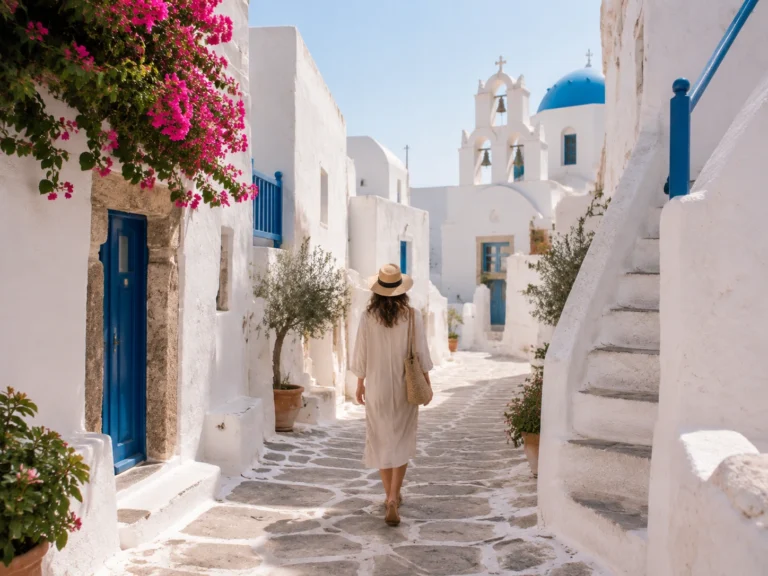
Each island in the Cyclades carries its own rhythm, but they share a common pace shaped by the sea and seasons. On islands such as Naxos and Paros, daily life often begins early, pauses in the midday heat, and resumes in the cooler evening hours.
Morning walks along coastal paths, visits to local bakeries, and time spent in small village squares reflect a slower structure of living. Even ferry travel between islands reinforces this rhythm, where time stretches and movement becomes part of the experience rather than a task.
To better plan slow itineraries, our travel insights offer practical island-hopping guidance.
Best Cyclades Islands for Slow Wellness Travel
Not all Cyclades islands feel the same when it comes to slow travel. Naxos offers fertile landscapes, long walking routes, and traditional village life. Paros blends calm beaches with accessible cultural towns, while smaller islands like Koufonisia offer an even quieter rhythm. Choosing the right island shapes the entire wellness experience.
Eating Like the Cyclades Locals
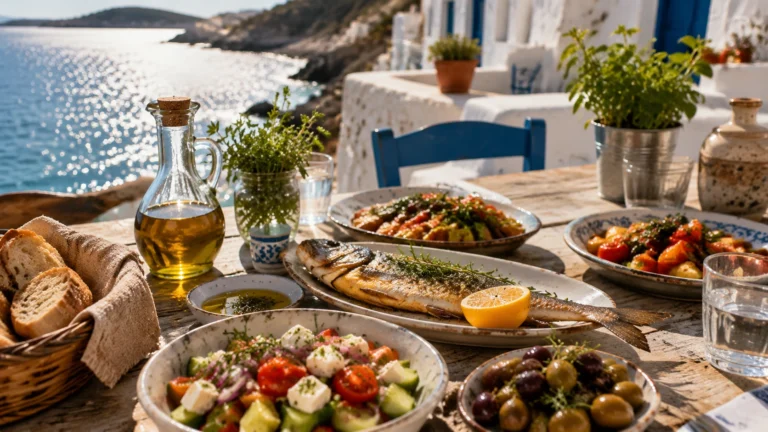
Food in the Cyclades aligns closely with Mediterranean dietary patterns. Meals are typically simple, seasonal, and centered around local ingredients. Olive oil, fresh vegetables, legumes, seafood, and grains form the foundation of daily eating.
Instead of structured dining schedules, meals are often social and unhurried. A long lunch in a seaside taverna or shared plates with friends in a village square reflect the importance of connection alongside nourishment.
Common habits include:
- Fresh tomatoes, cucumbers, and herbs in nearly every meal
- Grilled fish caught locally
- Yogurt, honey, and nuts as simple desserts
- Bread dipped in olive oil rather than processed spreads
These patterns support a more mindful approach to eating, where food is enjoyed slowly rather than consumed quickly.
Movement as a Natural Part of the Day
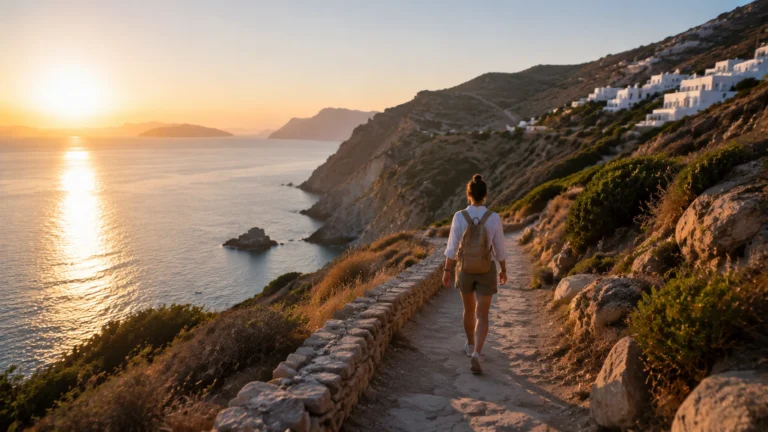
In Blue Zone-inspired travel, exercise is not separate from life it is built into it. In the Cyclades, walking is the primary way to explore villages, beaches, and hillside paths.
Stairs replace elevators, footpaths replace roads, and even short distances involve movement through uneven terrain. This natural activity encourages consistent, low-intensity exercise without structured workouts.
Beach walking at sunrise or evening hikes through whitewashed villages offer both physical activity and mental clarity, aligning closely with the slow travel philosophy.
Rest, Sunlight, and Island Balance
Rest plays an important role in Cycladic life. The midday pause, often influenced by heat, creates space for rest or quiet reflection. This aligns with broader Mediterranean habits of balancing activity with recovery.
Sunlight exposure also shapes daily routines. Early mornings and late afternoons are preferred for outdoor activity, while midday hours encourage stillness indoors or in shaded areas.
This rhythm creates a natural balance between energy and recovery an essential element of sustainable wellness travel.
Connecting Through Local Culture
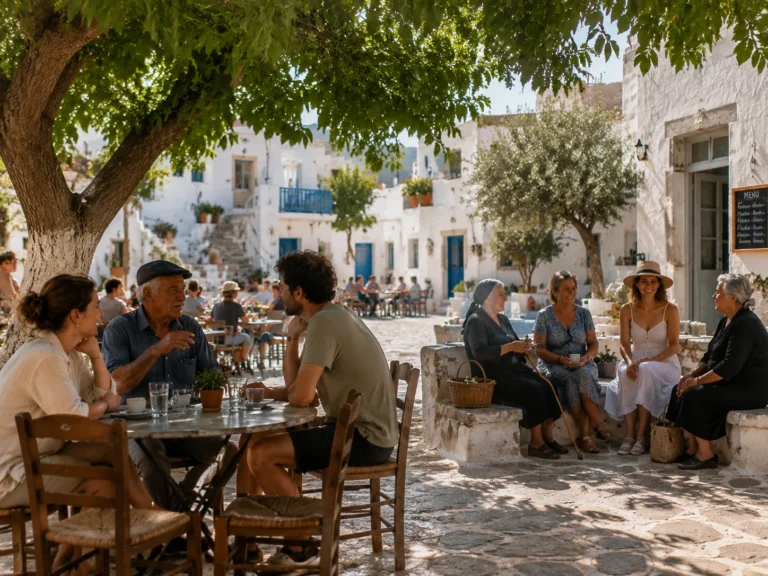
One of the most meaningful aspects of Blue Zone Cyclades wellness travel is social connection. Village squares, family-run tavernas, and local festivals encourage interaction between residents and visitors.
Conversations happen slowly, meals are shared, and hospitality is deeply rooted in cultural tradition. These interactions create a sense of belonging that extends beyond sightseeing.
Travelers who engage with this pace often find that the experience becomes less about places visited and more about people encountered.
Slow Down Your Summer in the Cyclades
Bring the rhythm of island life into your own wellness journey and explore more Mediterranean-inspired living.
FREQUENTLY ASKED QUESTIONS
- What is Blue Zone Cyclades wellness travel?
It is a travel approach inspired by Blue Zone lifestyle habits, focusing on slow living, traditional Greek island culture, natural movement, and simple Mediterranean eating patterns across the Cyclades islands. - Are the Cyclades considered a Blue Zone region?
No, the Cyclades are not officially classified as a Blue Zone. However, many traditional lifestyle patterns such as walking, social eating, and simple diets reflect similar longevity-supporting habits. - What is the best time to visit the Cyclades for slow travel?
Late spring and early autumn offer milder temperatures and fewer crowds, making it easier to experience slower rhythms, outdoor walking, and relaxed village life across the islands. - How does the Mediterranean diet support wellness?
The Mediterranean diet emphasizes vegetables, legumes, whole grains, olive oil, fish, and seasonal foods. It is widely studied for its connection to long-term health and heart wellness.Research from the Harvard T.H. Chan School of Public Health on the Mediterranean diet highlights its link to long-term heart and metabolic health.
- What activities define slow travel in the Cyclades?
Slow travel includes walking between villages, spending time in local cafés, visiting beaches without strict schedules, and using ferries to move between islands at a relaxed pace. - Is walking the main way to explore Cyclades islands?
Yes, walking is central to daily movement in many villages. Narrow streets, coastal paths, and hillside terrain naturally encourage walking as the primary form of transportation. - How does rest culture contribute to wellness in Greece?
Rest periods, especially during midday heat, help balance activity and recovery. This pattern supports energy regulation and reflects traditional Mediterranean lifestyle rhythms. - What foods should travelers try in the Cyclades?
Travelers often enjoy fresh seafood, seasonal vegetables, local cheeses, olive oil-based dishes, and simple desserts like yogurt with honey and nuts, all common in island cuisine. - Are Blue Zone habits scientifically supported?
Research on longevity patterns shows that lifestyle factors like diet, movement, and social connection play important roles in healthy aging. More information is available through Blue Zones research. - Can you experience wellness travel on a budget in the Cyclades?
Yes, many wellness experiences come from simple activities like walking, swimming, and eating local food. Choosing smaller islands and local accommodations can make travel more affordable.