

Introduction to the Mediterranean Diet

Are you looking to improve your gut health while enjoying delicious and nutritious food? The Mediterranean diet might be the perfect solution for you! Known for its heart-healthy benefits, this diet has much more to offer, particularly for your digestive system. Packed with fresh vegetables, fruits, legumes, and healthy fats, the Mediterranean diet not only supports overall wellness but also enhances digestive health.
In this blog, we’ll dive into how the Mediterranean diet can be a game-changer for gut health, exploring its key components, the science behind it, and practical tips for incorporating it into your lifestyle.
Key Takeaways
- The Mediterranean diet is rich in fiber, healthy fats, and plant-based foods, which are beneficial for digestive wellness.
- This diet helps reduce inflammation and supports a healthy gut microbiome.
- Key gut-friendly foods in the Mediterranean diet include vegetables, fruits, whole grains, legumes, and olive oil.
- Probiotics and prebiotics play an essential role in gut health, which is emphasized in the Mediterranean diet.
What is the Mediterranean Diet?
The Mediterranean diet is based on the traditional eating habits of countries bordering the Mediterranean Sea, like Greece, Italy, and Spain. It emphasizes eating whole, nutrient-rich foods, with a focus on plant-based ingredients, healthy fats, and moderate amounts of fish and seafood. The Mediterranean diet is designed to be both flavorful and balanced, ensuring you get all the nutrients your body needs while enjoying meals that are satisfying and wholesome.
Key Components of the Mediterranean Diet
- Vegetables and Fruits: These are the cornerstone of the diet, offering essential vitamins, minerals, and antioxidants.
- Whole Grains: Foods like quinoa, brown rice, and barley provide slow-releasing energy and fiber for better digestion.
- Legumes: Beans, lentils, and chickpeas are great sources of plant-based protein and fiber.
- Healthy Fats: Olive oil, nuts, and seeds provide healthy fats that support heart health and reduce inflammation.
- Fish and Seafood: These are important for providing omega-3 fatty acids, which contribute to overall health.
The Link Between the Mediterranean Diet and Gut Health
The Mediterranean diet is not just heart-healthy it’s also excellent for promoting a healthy gut. The combination of fiber-rich foods, healthy fats, and antioxidants found in the diet helps maintain a healthy gut microbiome, the community of microorganisms living in your digestive tract. A balanced gut microbiome is essential for proper digestion, immune function, and even mood regulation.
How Diet Impacts Digestion
What you eat plays a direct role in how well your digestive system functions. The Mediterranean diet provides a high intake of fiber from vegetables, fruits, and whole grains, which is essential for promoting healthy digestion. Fiber helps move food through the digestive system, preventing constipation and encouraging the growth of beneficial gut bacteria.
Gut-Friendly Foods in the Mediterranean Diet
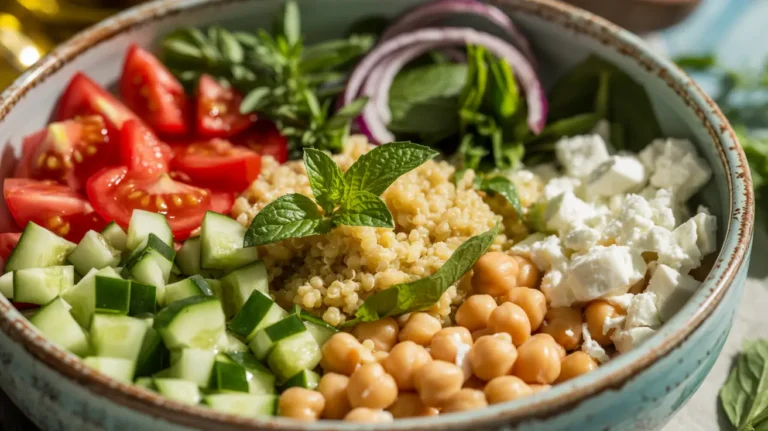
The Mediterranean diet is full of gut-friendly foods that nourish your digestive system and support overall gut health. Let’s take a closer look at the key foods that make this diet so beneficial for digestion.
Vegetables and Fruits
Vegetables and fruits are the foundation of the Mediterranean diet. Rich in fiber, vitamins, and antioxidants, they support digestion by promoting healthy gut bacteria and reducing inflammation in the digestive tract. Leafy greens, tomatoes, berries, and citrus fruits are just a few examples of gut-friendly choices found in the diet.
Whole Grains and Legumes
Whole grains, such as quinoa, farro, and barley, are packed with fiber that aids digestion and helps maintain a stable blood sugar level. Similarly, legumes like chickpeas, lentils, and beans provide plant-based protein and soluble fiber, which are excellent for gut health. These foods help maintain regular bowel movements and support the growth of good bacteria in the gut.
Healthy Fats (Olive Oil, Nuts, and Seeds)
Healthy fats from olive oil, nuts, and seeds are another crucial component of the Mediterranean diet. Olive oil, the primary fat used in Mediterranean cooking, is rich in monounsaturated fats, which reduce inflammation in the gut and promote the absorption of fat-soluble vitamins. Nuts and seeds provide essential fatty acids and fiber, contributing to digestive health.
Importance of Fiber for Gut Health
Fiber is the unsung hero of gut health. It plays a critical role in maintaining a healthy digestive system by promoting regular bowel movements, preventing constipation, and supporting the growth of beneficial gut bacteria. The Mediterranean diet is loaded with fiber-rich foods, making it ideal for improving digestion and supporting a healthy gut microbiome.
The fiber in vegetables, fruits, whole grains, and legumes helps regulate digestion, lowers the risk of gut diseases, and promotes a feeling of fullness, aiding in weight management.
The Role of Probiotics and Prebiotics
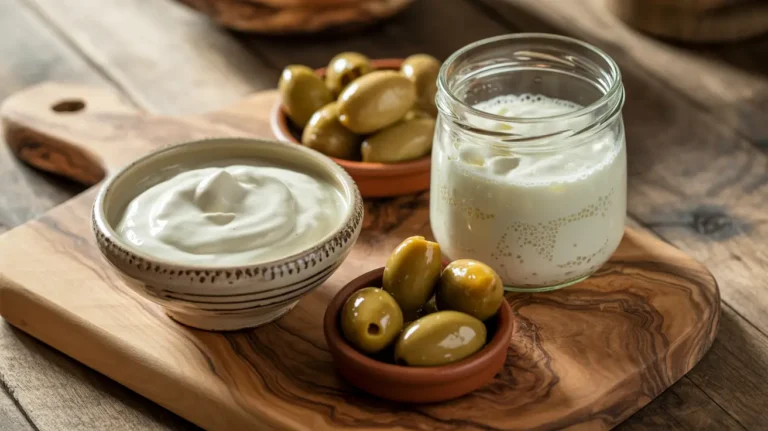
The Mediterranean diet doesn’t just focus on fiber it also incorporates probiotics and prebiotics, two essential components for a healthy gut.
Probiotics in Fermented Mediterranean Foods
Probiotics are live beneficial bacteria found in fermented foods. The Mediterranean diet includes foods like yogurt, kefir, and fermented olives, which are rich in probiotics. These foods help replenish good bacteria in the gut, promoting digestion and overall gut health. Probiotics are essential for maintaining a balanced microbiome and preventing digestive issues like bloating and gas.
Anti-Inflammatory Properties of the Mediterranean Diet
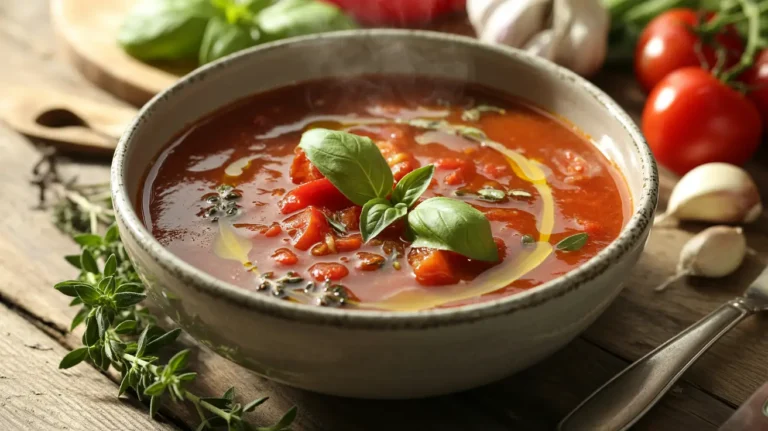
One of the key benefits of the Mediterranean diet is its anti-inflammatory properties. Chronic inflammation in the gut can lead to digestive issues such as bloating, irritable bowel syndrome (IBS), and leaky gut. The Mediterranean diet, rich in antioxidant-rich foods like olive oil, berries, and leafy greens, helps reduce inflammation and supports a healthy digestive system.
Reducing Gut Inflammation
Olive oil is a powerful anti-inflammatory agent due to its high content of polyphenols, which help reduce inflammation in the gut. Additionally, the Mediterranean diet’s emphasis on omega-3 fatty acids from fish and nuts also helps lower gut inflammation.
Benefits of the Mediterranean Diet for Digestive Health
The Mediterranean diet offers several benefits for digestive health, thanks to its focus on fiber, probiotics, and healthy fats. By supporting a healthy gut microbiome and reducing inflammation, the Mediterranean diet helps improve digestion and maintain overall gut wellness.
Enhanced Digestion and Gut Flora
The high intake of fiber and probiotics helps enhance digestion, while the healthy fats support nutrient absorption. This combination promotes a balanced gut microbiome, which is essential for overall health. The Mediterranean diet also supports the growth of beneficial gut bacteria, which aids in breaking down food and absorbing nutrients.
The Mediterranean Diet for IBS and Bloating
For those dealing with digestive issues like irritable bowel syndrome (IBS) and bloating, the Mediterranean diet can offer relief. The diet’s emphasis on fiber-rich foods, probiotics, and anti-inflammatory ingredients helps reduce symptoms of IBS and bloating.
Reducing Symptoms of IBS and Bloating
The Mediterranean diet helps soothe the digestive system, reduce inflammation, and improve gut motility, making it ideal for those suffering from IBS or bloating. Foods like yogurt, legumes, and olive oil are especially beneficial for calming the gut and promoting healthy digestion.
How to Incorporate the Mediterranean Diet into Your Lifestyle
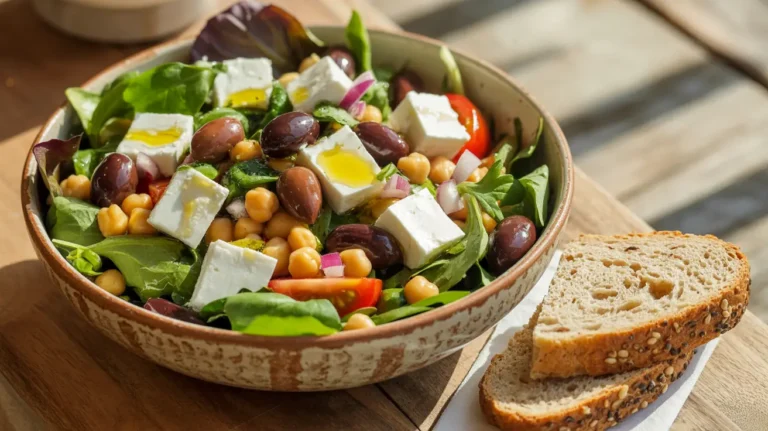
Switching to the Mediterranean diet is simple and delicious! Here are a few easy tips to help you get started:
- Start with plant-based meals: Include more vegetables, legumes, and whole grains in your daily meals.
- Swap unhealthy fats for olive oil: Use olive oil as your primary fat for cooking and dressing salads.
- Snack on nuts and seeds: Instead of processed snacks, reach for nuts and seeds for a healthy, fiber-packed snack.
Simple Meal Ideas and Tips
- Grilled fish with a side of whole-grain rice and a mixed vegetable salad.
- Greek yogurt with fresh berries and a drizzle of honey for a probiotic-packed snack.
Conclusion
The Mediterranean diet is not just delicious it’s a powerhouse for gut health. Packed with fiber, healthy fats, probiotics, and anti-inflammatory foods, this diet promotes healthy digestion, reduces inflammation, and supports a balanced gut microbiome. By incorporating more Mediterranean meals into your lifestyle, you can improve your digestive wellness and enjoy all the benefits this amazing diet has to offer.
For more Travel inspiration, Wellness tips, and delicious Mediterranean Recipes, follow us on Instagram: @MediterraneanHealthyLiving
FAQs
- How does the Mediterranean diet improve gut health?
The Mediterranean diet promotes gut health through fiber-rich foods, probiotics, and healthy fats, which support digestion and a balanced gut microbiome.
- What are the best foods for gut health on the Mediterranean diet?
Vegetables, fruits, whole grains, legumes, and olive oil are all excellent for promoting gut health.
- Is olive oil good for digestion?
Yes! Olive oil is rich in monounsaturated fats and antioxidants, which help reduce gut inflammation and support healthy digestion.
- Can the Mediterranean diet help with IBS?
Yes, the Mediterranean diet is great for those with IBS as it reduces inflammation and supports healthy digestion.
- What role do probiotics play in gut health?
Probiotics are beneficial bacteria that help maintain a healthy gut microbiome, improving digestion and reducing bloating and gas.
- How does fiber support digestive health?
Fiber helps regulate bowel movements, prevent constipation, and feed beneficial gut bacteria, supporting overall gut health.
- Are there any anti-inflammatory benefits to the Mediterranean diet?
Yes! Olive oil, nuts, and berries are rich in anti-inflammatory compounds that help soothe the gut and promote digestive wellness.
- What is the role of prebiotics in the Mediterranean diet?
Prebiotics are fibers that feed good bacteria in the gut, supporting a balanced microbiome and healthy digestion.
- How can I start the Mediterranean diet for gut health?
Start by incorporating fiber-rich foods, olive oil, and probiotic-rich foods like yogurt into your daily meals.
- Can the Mediterranean diet help reduce bloating?
Yes! The diet’s emphasis on anti-inflammatory foods, probiotics, and fiber helps reduce bloating and improve digestion.