

Introduction: Can the Mediterranean Diet Help You Lose Weight?
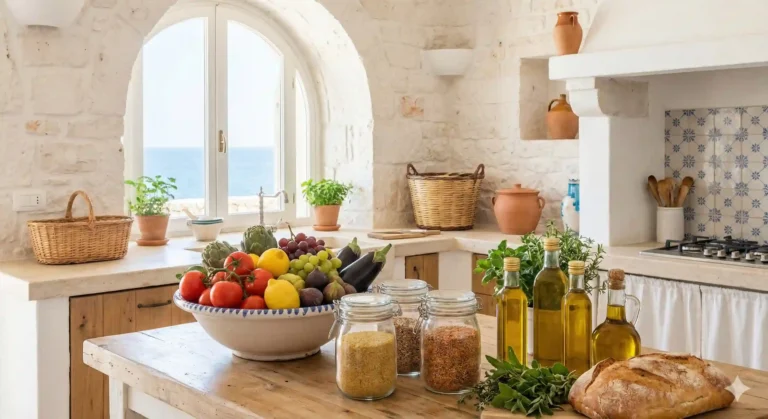
If you’re looking for a sustainable way to lose weight, the Mediterranean diet and weight loss might be the perfect match for you. Unlike many fad diets that focus on extreme restrictions, the Mediterranean diet offers a balanced, long-term approach to healthy eating. It’s not about counting every calorie but rather about eating whole, nutrient-dense foods that promote overall well-being. This diet, which is based on the traditional eating habits of countries bordering the Mediterranean Sea, is recognized for its ability to promote weight loss without sacrificing flavor or satisfaction.
So, can the Mediterranean diet help you shed those extra pounds? Absolutely! With its emphasis on fresh fruits, vegetables, whole grains, lean proteins, and healthy fats, this diet provides a nutrient-rich way to fuel your body while helping you maintain a healthy weight. Let’s dive deeper into why this approach is so effective for weight loss and how you can incorporate it into your daily routine.
Key Takeaways
- The Mediterranean diet and weight loss focus on nutrient-dense, whole foods that promote sustainable weight loss.
- This diet emphasizes healthy fats, lean proteins, and fiber-rich foods, which help manage hunger and support metabolism.
- The Mediterranean lifestyle is about balance, making it easier to maintain weight loss over the long term, without feeling deprived.
Why the Mediterranean Diet Works for Weight Loss
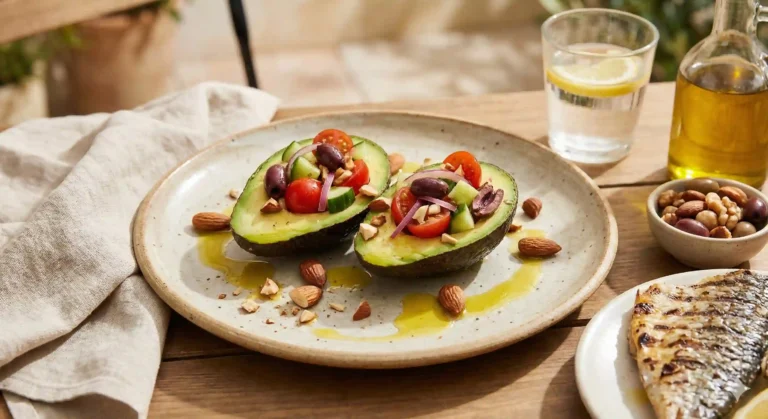
The Mediterranean diet for weight loss works for several reasons. It’s not a restrictive diet that cuts out entire food groups, but rather one that focuses on balance and moderation. The key to its effectiveness lies in its nutrient-rich foods and healthy fats, which help you feel satisfied while still providing your body with the vitamins and minerals it needs.
The Focus on Whole Foods and Healthy Fats
At the core of the Mediterranean diet is a focus on whole foods think fresh vegetables, whole grains, and lean proteins like fish and legumes. These nutrient-dense foods provide your body with the fuel it needs without the unnecessary empty calories found in processed foods. The inclusion of healthy fats, such as those from olive oil, nuts, and avocados, is also a critical component. These fats are satiating, meaning they help keep you full for longer periods, reducing the temptation to overeat.
Eating healthy fats also helps balance blood sugar levels and supports metabolism. Plus, they provide essential fatty acids, which are good for your skin, brain, and overall health. By keeping your hunger in check with healthy fats, you’re less likely to experience the cravings that can lead to overeating.
How Portion Control Plays a Role in Weight Loss
While the Mediterranean diet encourages eating nutrient-rich foods, it also promotes the concept of portion control. Rather than focusing on strict calorie counting, the Mediterranean lifestyle encourages mindful eating, helping you become more aware of your body’s hunger signals. This leads to more controlled portions and fewer chances of overeating.
The Mediterranean approach isn’t about starving yourself or cutting out food groups it’s about moderation. Enjoying a wide variety of delicious, healthy foods, but in appropriate portions, allows you to lose weight without feeling restricted or deprived.
Sustained Weight Loss with the Mediterranean Lifestyle
The Mediterranean diet is designed for sustainable weight loss, meaning it’s not about rapid, short-term results. The goal is long-term health and maintaining a balanced weight over time. The focus on eating wholesome, satisfying foods means you’re less likely to yo-yo diet or binge eat, making it easier to maintain a healthy weight for life. The Mediterranean diet also supports overall health, reducing the risk of diseases like heart disease, diabetes, and certain cancers, which makes it a holistic, lifestyle-focused approach to weight management.
Key Components of the Mediterranean Diet for Weight Loss
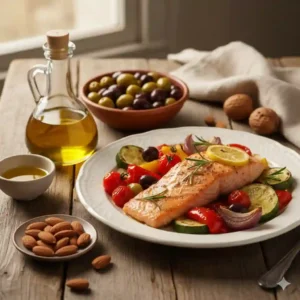
Several key components make the Mediterranean diet for weight loss effective. These include healthy fats, lean proteins, fiber-rich foods, and whole grains. Let’s break down these components and see how they contribute to weight loss.
Healthy Fats: The Secret to Feeling Full and Satisfied
Healthy fats are essential in the Mediterranean diet, helping you feel full and satisfied while still losing weight. Unlike processed fats found in junk food, healthy fats nourish your body and are good for your heart. Incorporating fats into your meals helps manage hunger, reduces cravings, and promotes fat burning in the body.
Olive Oil: A Heart-Healthy Fat That Helps with Weight Loss
Olive oil, the cornerstone of the Mediterranean diet, is an excellent source of monounsaturated fats. These fats have been shown to help reduce bad cholesterol and reduce inflammation, all while supporting fat loss. Olive oil is also known for its ability to improve satiety, meaning you’ll feel fuller for longer and will be less likely to snack between meals.
Nuts and Avocados: Nutrient-Dense, Satisfying Snacks
Nuts and avocados are nutrient-dense, calorie-dense foods that make for satisfying snacks. Rich in healthy fats and fiber, they help curb hunger and provide essential nutrients like vitamins, minerals, and omega-3 fatty acids. Whether you’re snacking on a handful of almonds or spreading mashed avocado on your toast, these heart-healthy foods make an excellent addition to your weight loss plan.
Lean Proteins and Plant-Based Foods for Metabolism Boost
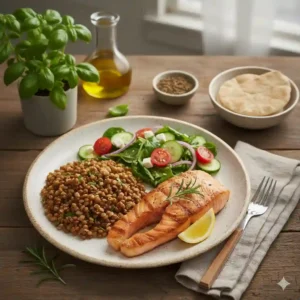
Protein is essential for weight loss as it supports muscle growth, boosts metabolism, and keeps you feeling satisfied. The Mediterranean diet emphasizes lean proteins like fish, chicken, and legumes, all of which are excellent for supporting muscle maintenance and fat burning.
Fish and Legumes: Protein Powerhouses in the Mediterranean Diet
Fatty fish like salmon, mackerel, and sardines are rich in omega-3 fatty acids and protein, both of which are essential for weight loss and fat burning. Legumes—such as lentils, chickpeas, and beans are another great source of plant-based protein and fiber. These foods are low in calories but high in nutritional value, making them perfect for weight loss.
The Role of Fiber-Rich Foods in Weight Loss
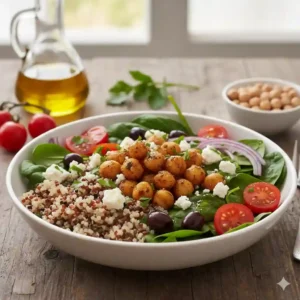
quinoa, brown rice, and oats are high in fiber, which slows digestion and keeps you feeling full longer. Unlike refined grains, whole grains release their energy more slowly, preventing bloFiber is a key element of the Mediterranean diet, contributing to a sense of fullness and supporting digestion. Fiber-rich foods, such as whole grains, vegetables, and fruits, help stabilize blood sugar levels and promote a healthy gut, both of which are crucial for weight loss.
Whole Grains: The Foundation of a Mediterranean Diet
Whole grains like od sugar spikes and promoting fat burning.
Vegetables and Fruits: Low-Calorie, High-Fiber Options
Vegetables and fruits are packed with fiber and low in calories, making them excellent choices for anyone looking to shed pounds. Leafy greens like spinach, kale, and arugula, as well as berries and apples, are high in nutrients and provide essential vitamins and antioxidants that support overall health.
Mediterranean Diet vs. Other Weight Loss Diets
The Mediterranean diet offers a unique approach to weight loss compared to other diets like low-carb and calorie-restricted plans. Let’s explore how it stacks up.
The Mediterranean Diet vs. Low-Carb Diets
While low-carb diets like keto restrict carbohydrate intake, the Mediterranean diet encourages a healthy balance of carbs, especially from whole grains, fruits, and vegetables. Unlike low-carb diets, the Mediterranean diet focuses on quality and moderation, making it more sustainable for long-term weight loss.
Mediterranean Diet vs. Calorie-Restricted Diets
Calorie-restricted diets often lead to quick weight loss, but they can be hard to maintain and may cause nutritional deficiencies. The Mediterranean diet is not based on calorie restriction, but rather on eating nutrient-dense foods that naturally regulate calorie intake and promote a healthy weight.
Practical Tips for Adopting the Mediterranean Diet for Weight Loss

Adopting the Mediterranean diet for weight loss doesn’t have to be complicated. Here are some practical tips to help you get started.
Simple Mediterranean Meals for Weight Loss Success
- Breakfast: Greek yogurt with berries, a drizzle of honey, and a sprinkle of chia seeds.
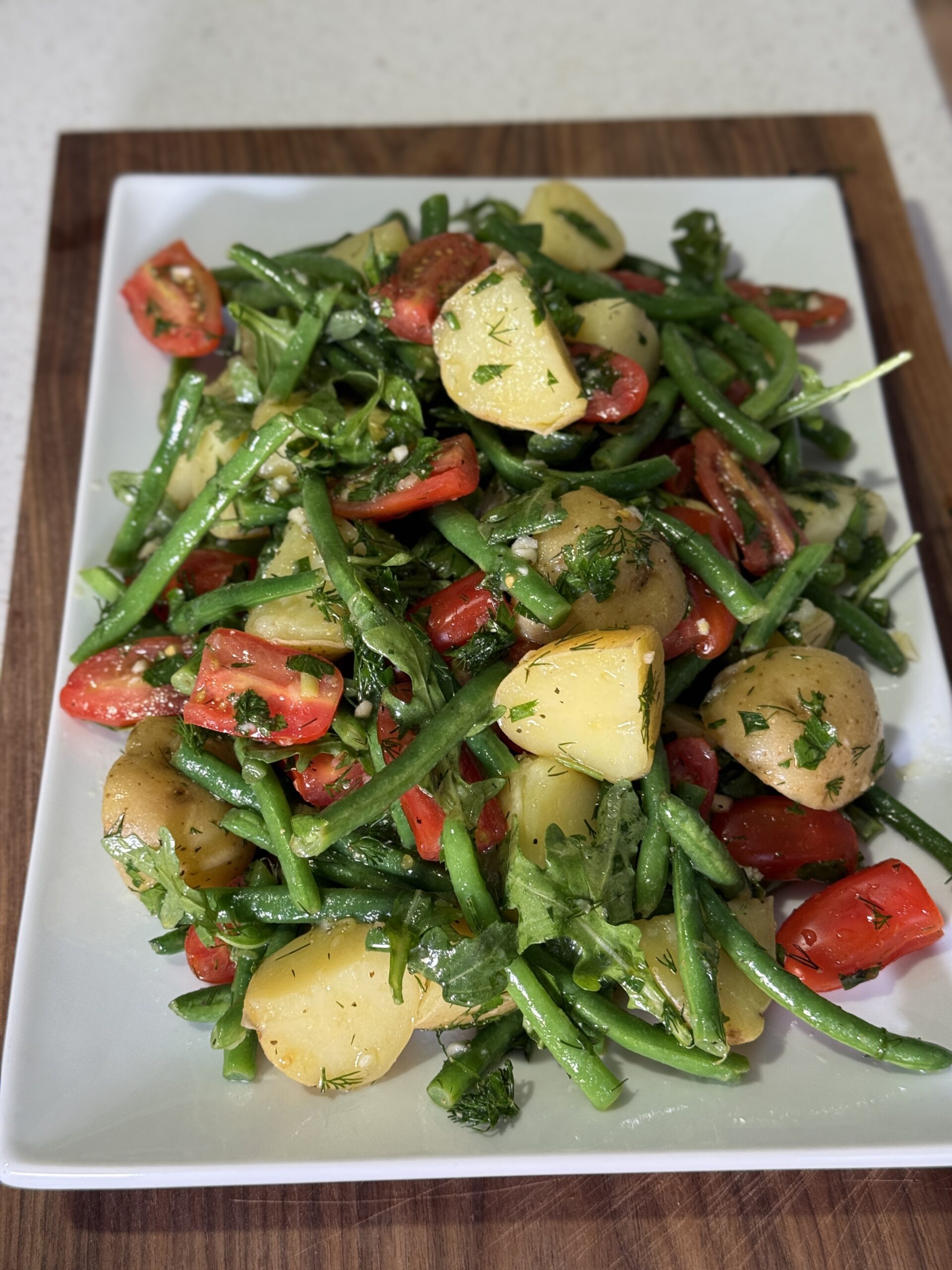
- Lunch: A Mediterranean salad with cucumbers, tomatoes, chickpeas, feta cheese, and a drizzle of olive oil.
- Dinner: Grilled salmon with roasted vegetables and a side of quinoa.
How to Incorporate Mediterranean Diet Principles into Your Daily Life
Start by swapping processed oils for olive oil, adding more whole grains and legumes to your meals, and focusing on healthy fats like avocados and nuts. Incorporating lean fish and vegetables into your diet will further support your weight loss goals.
Conclusion: Can the Mediterranean Diet Help You Shed Pounds?

The Mediterranean diet for weight loss is an effective, sustainable approach to losing weight and maintaining long-term health. By focusing on nutrient-dense, whole foods, healthy fats, and fiber-rich ingredients, the Mediterranean diet not only helps you shed pounds but also supports heart health, metabolism, and overall well-being. It’s not just about weight loss; it’s about creating a balanced, enjoyable lifestyle that promotes a healthy, happy life.
For more Travel inspiration, Wellness tips, and delicious Mediterranean Recipes, follow us on Instagram: @MediterraneanHealthyLiving
FAQs on Mediterranean Diet and Weight Loss
- How does the Mediterranean diet help with weight loss?
The Mediterranean diet focuses on whole foods, healthy fats, and fiber-rich foods that keep you full and help regulate your metabolism. - What foods should I avoid on the Mediterranean diet?
Processed foods, refined sugars, and excessive red meat are best avoided in the Mediterranean diet. - Is the Mediterranean diet low in calories?
The Mediterranean diet isn’t about calorie restriction, but it naturally encourages eating nutrient-dense foods that support weight loss. - How much weight can I lose on the Mediterranean diet?
Weight loss varies depending on factors like activity level, portion control, and adherence to the diet, but many people experience sustainable weight loss with the Mediterranean lifestyle. - Can I drink wine on the Mediterranean diet?
Yes, red wine is allowed in moderation on the Mediterranean diet, which is known for its heart-healthy benefits. - What are the main benefits of the Mediterranean diet for weight loss?
The Mediterranean diet promotes healthy fats, protein, and fiber, which help control hunger and support metabolism for sustainable weight loss. - Can I eat pasta on the Mediterranean diet?
Yes, pasta is included in the Mediterranean diet, but it’s typically paired with vegetables, lean proteins, and healthy fats in moderation. - How does the Mediterranean diet compare to low-carb diets?
The Mediterranean diet is more balanced, with a focus on healthy carbs, healthy fats, and lean proteins, while low-carb diets restrict carbs, which can be hard to sustain. - Can I still enjoy desserts on the Mediterranean diet?
Yes, desserts in moderation, such as fruit-based treats, are encouraged as part of a balanced Mediterranean diet. - Is the Mediterranean diet good for maintaining weight loss?
Yes, the Mediterranean diet promotes a balanced lifestyle that encourages long-term weight maintenance and overall health.