



Table of Contents
Introduction to Mediterranean Diet for Bone Health
The Mediterranean diet is widely known for its positive impact on heart health, but did you know it can also benefit your bones? With its focus on whole, nutrient-dense foods, the Mediterranean diet is an excellent choice for those looking to improve bone health and maintain strong bones. By incorporating foods that are rich in essential vitamins, minerals, and healthy fats, this diet can provide the support your bones need to stay strong and healthy throughout life.
In this article, we’ll explore how the Mediterranean diet promotes bone health, focusing on key nutrients like calcium, vitamin D, and omega-3 fatty acids, as well as specific foods that contribute to better bone strength. Whether you’re looking to prevent bone-related issues or simply maintain optimal bone health, the Mediterranean diet offers a delicious and sustainable way to support your bones.
Key Takeaways
- The Mediterranean diet emphasizes calcium-rich foods, healthy fats, and omega-3 fatty acids, all of which are crucial for strong bones.
- Leafy greens, fatty fish, and olive oil are among the most beneficial foods for bone health.
- Reducing inflammation with the Mediterranean diet can help prevent bone loss and improve bone density.
What is the Mediterranean Diet?
The Mediterranean diet is based on the traditional eating habits of people living in the Mediterranean region, including countries like Greece, Italy, and Spain. This diet focuses on fresh, whole foods, and incorporates plenty of vegetables, fruits, whole grains, legumes, and healthy fats. The diet also includes moderate amounts of fish, seafood, dairy, and poultry, while red meat is consumed sparingly.
This diet is celebrated not only for its heart-health benefits but also for its role in bone health, mental well-being, and overall longevity.
Key Components of the Mediterranean Diet
- Fruits and vegetables: High in vitamins, minerals, and antioxidants, these foods promote overall health.
- Whole grains: Brown rice, quinoa, and whole wheat provide fiber and essential nutrients.
- Healthy fats: Olive oil, nuts, and seeds are excellent sources of heart-healthy monounsaturated fats.
- Fish and seafood: Rich in omega-3 fatty acids, these foods support bone health and brain function.
- Legumes and beans: High in fiber and plant-based protein, which is beneficial for overall nutrition.
The Importance of Bone Health
Our bones are constantly undergoing a process of remodeling, where old bone tissue is replaced by new tissue. This process is essential for maintaining strong, healthy bones throughout life. As we age, however, bone density tends to decrease, which can lead to conditions like osteoporosis and an increased risk of fractures.
Why Bone Health Matters
Maintaining healthy bones is crucial for overall well-being. Strong bones are essential for mobility, strength, and proper posture. They provide the foundation for muscles and protect vital organs. Proper nutrition is vital for bone development and the prevention of bone-related issues. Inadequate intake of calcium, vitamin D, and other essential nutrients can lead to weakened bones, making us more susceptible to fractures and injuries.
Foods for Strong Bones in the Mediterranean Diet
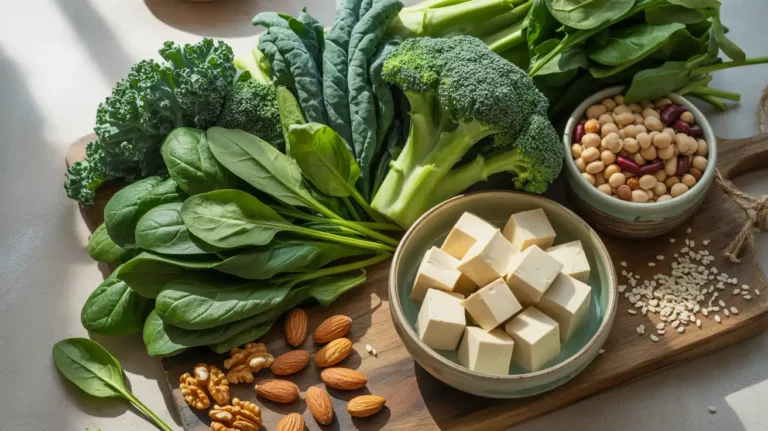
The Mediterranean diet is packed with bone-strengthening foods that provide the necessary nutrients for maintaining bone density and strength. These foods are not only rich in calcium but also provide other important minerals and vitamins such as magnesium, vitamin D, and vitamin K, all of which support healthy bone function.
Calcium-Rich Foods
Calcium is essential for bone health, as it helps build and maintain bone density. The Mediterranean diet offers several calcium-rich foods, including leafy greens like spinach, kale, and collard greens, as well as tofu, almonds, and figs. These plant-based sources are excellent alternatives for those who prefer non-dairy options.
Vitamin D and Magnesium Sources
Vitamin D helps the body absorb calcium, while magnesium plays a role in bone mineralization. Fatty fish like salmon, sardines, and mackerel are excellent sources of vitamin D, while magnesium can be found in leafy greens, avocados, and whole grains. Together, these nutrients help maintain healthy bones and support the body’s ability to absorb and utilize calcium.
Role of Leafy Greens and Vegetables
Leafy greens like spinach, collard greens, and kale are excellent sources of calcium, magnesium, and vitamin K, all of which play a vital role in maintaining strong bones. These vegetables also provide fiber, which supports overall digestive health and helps regulate blood sugar levels, contributing to better bone health.
High in Calcium and Other Nutrients
In addition to being rich in calcium, leafy greens contain vitamin K, which is essential for bone mineralization and the regulation of calcium in the body. Including these vegetables in your daily meals will not only improve bone health but also support overall well-being.
The Power of Fish for Bone Health

Fatty fish, such as salmon, sardines, and mackerel, are rich in omega-3 fatty acids, which are known for their anti-inflammatory properties. These fats help protect bone tissue and support the production of bone-building proteins.
Omega-3 Fatty Acids and Bone Strength
Omega-3 fatty acids help reduce inflammation in the body, which is important for bone health, as chronic inflammation can lead to bone breakdown. Regular consumption of fatty fish has been linked to increased bone density and improved bone strength, making it an essential part of the Mediterranean diet for maintaining strong bones.
Healthy Fats and Bone Health
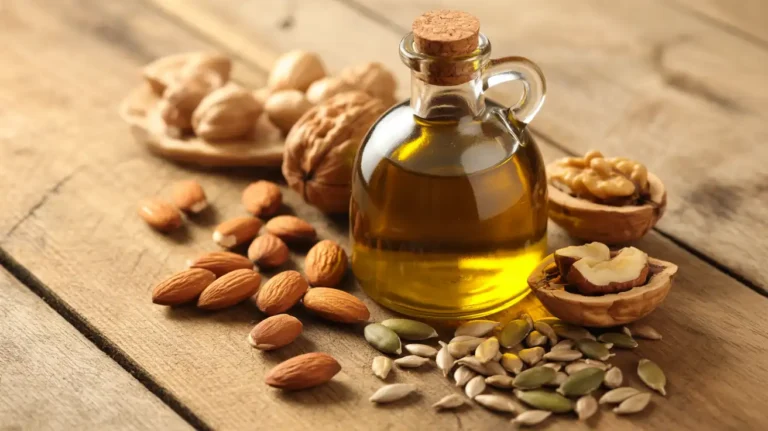
The Mediterranean diet is rich in healthy fats, particularly from olive oil, nuts, and seeds. These fats are not only good for heart health but also play a significant role in maintaining strong bones. Monounsaturated fats from olive oil and omega-3s from walnuts and flaxseeds support bone health by reducing inflammation and promoting the absorption of essential vitamins and minerals.
Olive Oil, Nuts, and Seeds for Bone Support
Olive oil is a cornerstone of the Mediterranean diet and provides monounsaturated fats, which are known to have anti-inflammatory effects. Nuts and seeds, such as almonds, walnuts, and chia seeds, are also rich in healthy fats and provide magnesium, which is essential for maintaining strong bones.
Importance of Olive Oil
Olive oil is rich in polyphenols, which have been shown to reduce inflammation and support bone health. Regular consumption of olive oil can help prevent bone loss and improve bone strength, particularly when used as the primary cooking fat.
The Role of Protein in Bone Health
Protein is an essential nutrient for bone health, as it supports the formation of collagen, a protein that helps bones remain flexible and strong. The Mediterranean diet offers a balance of both plant-based and animal-based proteins, which contribute to maintaining bone health.
Plant-Based vs Animal Protein for Strong Bones
Plant-based proteins like those found in legumes, tofu, and quinoa are excellent sources of essential amino acids that support bone health. However, animal proteins such as fish and poultry provide additional nutrients like omega-3 fatty acids and vitamin D, which further promote bone strength.
The Mediterranean Diet’s Anti-inflammatory Effects
Chronic inflammation is a major contributor to bone loss and osteoporosis. The Mediterranean diet is known for its anti-inflammatory properties, as it focuses on foods like olive oil, fatty fish, and vegetables, which help reduce inflammation and protect bone tissue.
Reducing Inflammation for Healthy Bones
By reducing inflammation in the body, the Mediterranean diet helps prevent bone breakdown and promotes bone regeneration. This is especially important for maintaining bone density and preventing fractures as we age.
How to Incorporate Mediterranean Foods into Your Diet
Incorporating the Mediterranean diet into your daily meals can be simple and enjoyable. Here are some easy tips to help you get started:
Add leafy greens: Include spinach, kale, and collard greens in your salads, soups, or smoothies.
Use olive oil: Replace butter or vegetable oils with olive oil for cooking or drizzling on salads.
Include fatty fish: Aim to eat salmon or sardines two to three times a week.
Snack on nuts: Keep a handful of almonds or walnuts on hand for a quick, healthy snack.
Simple Meal Ideas for Bone Health
Breakfast: Greek yogurt with berries and a sprinkle of flaxseeds.
Lunch: A quinoa salad with chickpeas, spinach, tomatoes, and olive oil.
Dinner: Grilled salmon with a side of roasted sweet potatoes and broccoli.
Conclusion
The Mediterranean diet is an excellent choice for promoting bone health and ensuring strong bones throughout life. By focusing on calcium-rich vegetables, healthy fats, omega-3 fatty acids, and protein, this diet provides the essential nutrients needed to maintain strong, healthy bones. By incorporating these foods into your diet, you can help prevent bone loss, improve bone density, and support overall bone health for years to come.
“Strengthen Your Bones with Mediterranean Foods!”
👉 Explore Mediterranean Health Living for More Recipes and Tips
👉 Follow Us on Instagram for Daily Inspiration and Bone Health Tips
FAQs
- How does the Mediterranean diet improve bone health?
The Mediterranean diet is rich in calcium, vitamin D, omega-3 fatty acids, and magnesium, all of which are essential for maintaining strong bones.
- What are the best sources of calcium in the Mediterranean diet?
Leafy greens, tofu, almonds, and figs are excellent plant-based sources of calcium in the Mediterranean diet.
- Why is omega-3 important for bone health?
Omega-3 fatty acids help reduce inflammation and promote bone strength, improving bone density and preventing bone loss.
- Can I get enough calcium without dairy on the Mediterranean diet?
Yes, leafy greens, almonds, tofu, and fortified plant-based milks provide adequate calcium without dairy.
- How does olive oil contribute to bone health?
Olive oil contains polyphenols, which help reduce inflammation and support bone health by improving bone density.
- What protein sources are best for bone health?
Both plant-based proteins like legumes and animal proteins like fish and poultry are beneficial for bone health.
- How can I reduce inflammation for better bone health?
By including anti-inflammatory foods like olive oil, fatty fish, and vegetables in your diet, you can reduce inflammation and protect your bones.
- What are some simple Mediterranean meals for strong bones?
Grilled salmon with roasted vegetables, quinoa salads, and Greek yogurt with berries are all great meals for supporting bone health.
- Is the Mediterranean diet suitable for preventing osteoporosis?
Yes, the Mediterranean diet is rich in the essential nutrients needed to prevent osteoporosis, such as calcium, vitamin D, and omega-3s.
- Can the Mediterranean diet help with bone fractures?
Yes, the Mediterranean diet can improve bone density and reduce inflammation, helping to prevent fractures and support bone healing.