

Introduction: Why the Mediterranean Diet Supports Heart Health

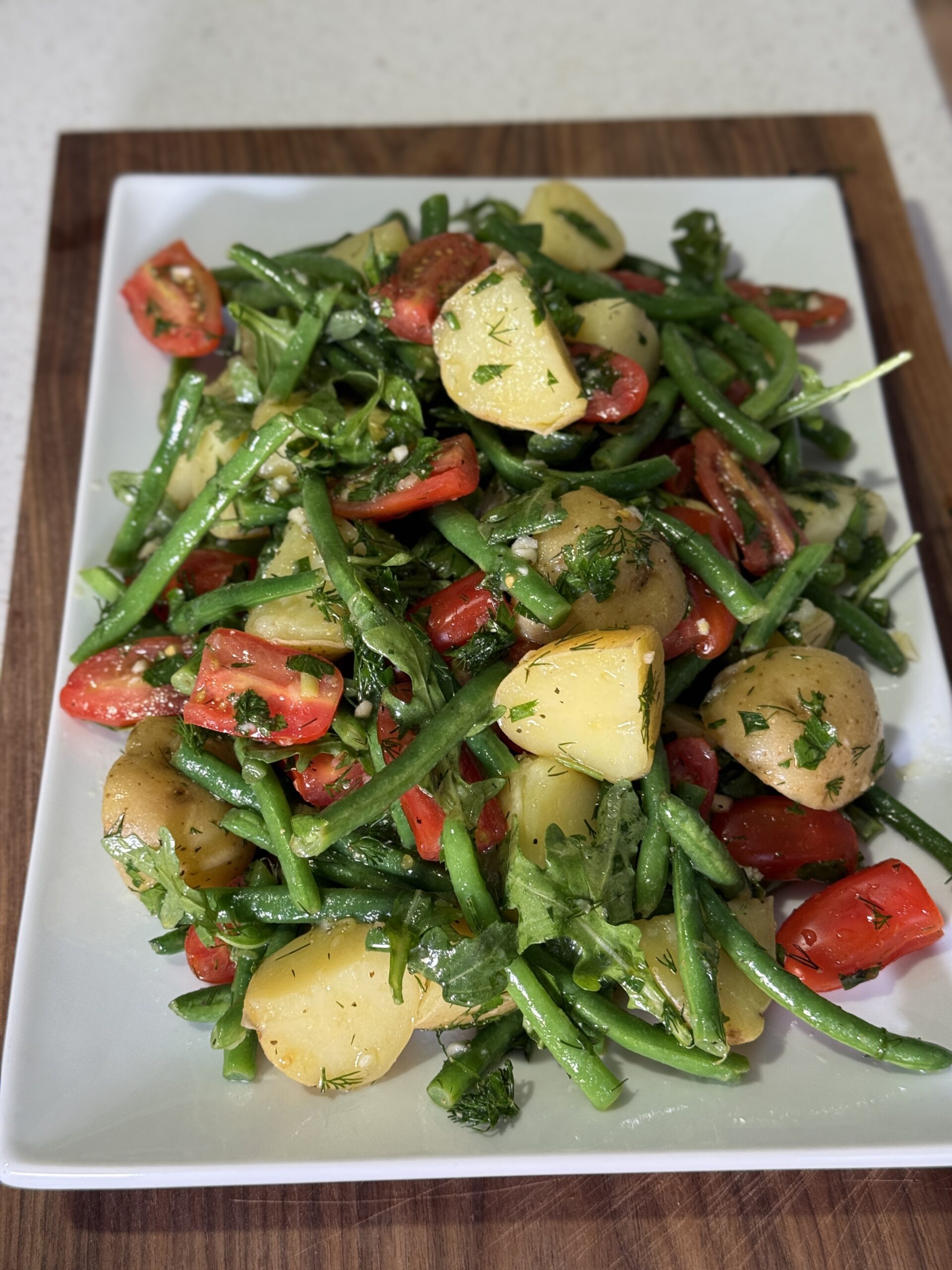
The Mediterranean diet for heart health is widely recognized for its ability to improve cardiovascular function and prevent heart disease. This diet, which is based on the traditional eating habits of countries bordering the Mediterranean Sea, is rich in nutrient-dense foods that help reduce the risk of heart-related illnesses. Think of it as a blueprint for long-term heart health full of fresh vegetables, whole grains, healthy fats, and lean proteins.
Why does it work so well for heart health? The answer lies in its focus on heart-healthy Mediterranean foods that lower bad cholesterol, reduce inflammation, and improve overall heart function. It’s not just about what you eat; it’s also about how the Mediterranean lifestyle emphasizes balance, physical activity, and mindful eating. By adopting this diet, you’re not just improving your eating habits you’re setting the foundation for a healthier life.
Key Takeaways
- The Mediterranean diet is heart-healthy due to its emphasis on healthy fats, fiber, and antioxidants.
- It helps lower cholesterol, reduce inflammation, and improve blood circulation.
- Key components of the Mediterranean diet include olive oil, whole grains, fatty fish, and fruits and vegetables.
- Adopting the Mediterranean diet can reduce the risk of heart disease and promote long-term cardiovascular health.
The Heart-Healthy Benefits of the Mediterranean Diet
Reducing Inflammation and Cholesterol
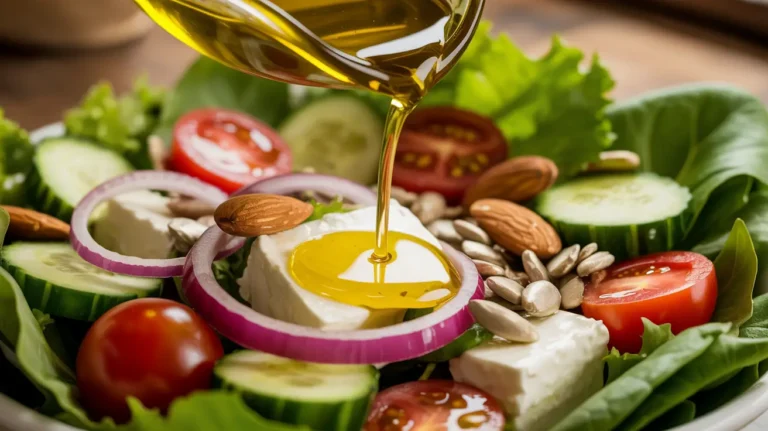
One of the most powerful benefits of the Mediterranean diet for heart health is its ability to reduce inflammation and improve cholesterol levels. Inflammation is a key player in the development of heart disease, as it can cause damage to blood vessels and increase the risk of plaque buildup in arteries. The Mediterranean lifestyle, with its focus on anti-inflammatory foods like olive oil, nuts, and fish, naturally combats this risk.
Additionally, the diet’s healthy fats such as those from olive oil and nuts help raise good HDL cholesterol while lowering bad LDL cholesterol, which reduces the risk of developing heart disease. It’s a win-win: the foods you’re eating are not only protecting your heart but also helping to improve your overall cholesterol profile.
Improving Blood Circulation and Blood Pressure
The Mediterranean diet is also linked to improved blood circulation and lower blood pressure, both critical components of heart health. The high intake of fruits, vegetables, and whole grains provides essential nutrients like potassium, magnesium, and fiber, which help manage blood pressure levels. Moreover, the inclusion of healthy fats, particularly omega-3 fatty acids from fish, has been shown to help improve blood flow and prevent the formation of blood clots.
By reducing blood pressure and supporting better circulation, the Mediterranean diet enhances overall heart function and helps prevent the onset of heart disease.
Key Components of the Mediterranean Diet for Heart Health
Healthy Fats: The Foundation of Heart Protection
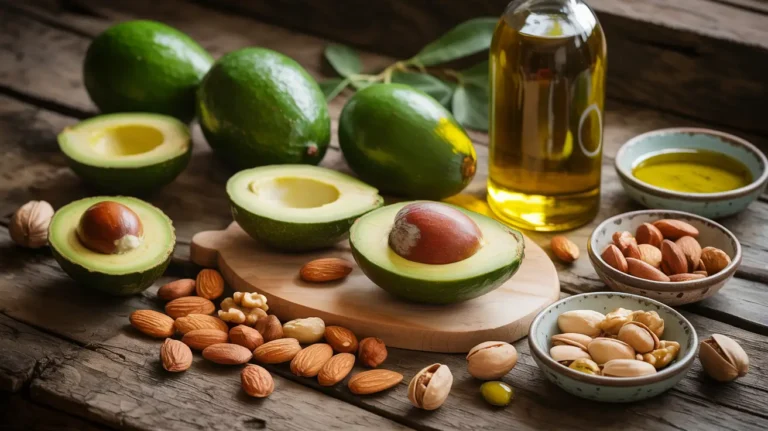
At the heart of the Mediterranean diet for heart health are healthy fats. Unlike the unhealthy fats found in processed foods, the fats in the Mediterranean diet come from natural sources such as olive oil, nuts, and fatty fish. These fats are rich in omega-3s, which are known for their heart-protective properties.
Olive Oil: The Heart-Healthy Hero
Olive oil is one of the cornerstones of the Mediterranean diet and is often referred to as the “heart-healthy hero.” Packed with monounsaturated fats and antioxidants, olive oil helps reduce inflammation and lowers the risk of heart disease. Studies have shown that olive oil can improve cholesterol levels, enhance blood vessel function, and protect against oxidative stress all of which contribute to a healthy heart.
Avocados and Nuts: Essential Sources of Healthy Fats
In addition to olive oil, avocados and nuts are excellent sources of healthy fats. Avocados are rich in monounsaturated fats, which help lower bad cholesterol levels, while nuts such as almonds, walnuts, and pistachios offer a mix of healthy fats, fiber, and protein. These foods contribute to heart health by improving cholesterol profiles, reducing inflammation, and enhancing the function of blood vessels.
Fiber-Rich Foods: Supporting Heart Health from Within
Fiber is a key nutrient for heart disease prevention and is abundant in many Mediterranean diet staples, including whole grains, legumes, and vegetables. Fiber helps lower cholesterol levels by binding to cholesterol and removing it from the body. It also promotes healthy digestion and aids in blood sugar regulation, both of which are important for overall cardiovascular health.
Whole Grains: A Heart-Healthy Staple
Whole grains, such as oats, barley, and quinoa, are rich in soluble fiber, which helps lower LDL cholesterol levels. Incorporating whole grains into your meals helps reduce the risk of heart disease and keeps your blood sugar levels stable, preventing the spikes and crashes that can contribute to heart-related issues.
Legumes: The Mediterranean Protein Powerhouses
Legumes including beans, lentils, and chickpeas are another excellent source of fiber and plant-based protein in the Mediterranean diet. These foods are low in saturated fat and rich in soluble fiber, making them effective in lowering cholesterol levels and supporting heart health. Plus, they provide a healthy alternative to animal proteins, which are often high in saturated fats.
Antioxidant-Rich Fruits and Vegetables
Fruits and vegetables are essential components of a heart-healthy Mediterranean diet, as they are packed with antioxidants, vitamins, and minerals that help protect the heart. These foods help fight inflammation, reduce oxidative stress, and support overall cardiovascular health.
Berries: Small but Mighty Heart Protectors
Berries, such as strawberries, blueberries, and raspberries, are loaded with antioxidants like anthocyanins, which have been shown to reduce inflammation and lower blood pressure. These small, vibrant fruits are heart-healthy superstars, helping to protect blood vessels and improve circulation.
Leafy Greens and Cruciferous Vegetables: The Heart’s Allies
Leafy greens like spinach, kale, and Swiss chard, along with cruciferous vegetables such as broccoli and Brussels sprouts, are rich in vitamins, minerals, and fiber that promote heart health. These vegetables help lower cholesterol, reduce blood pressure, and prevent the buildup of plaque in the arteries, making them crucial for cardiovascular protection.
Mediterranean Diet Superfoods for Heart Protection
Fatty Fish: Omega-3 Powerhouses for Heart Health
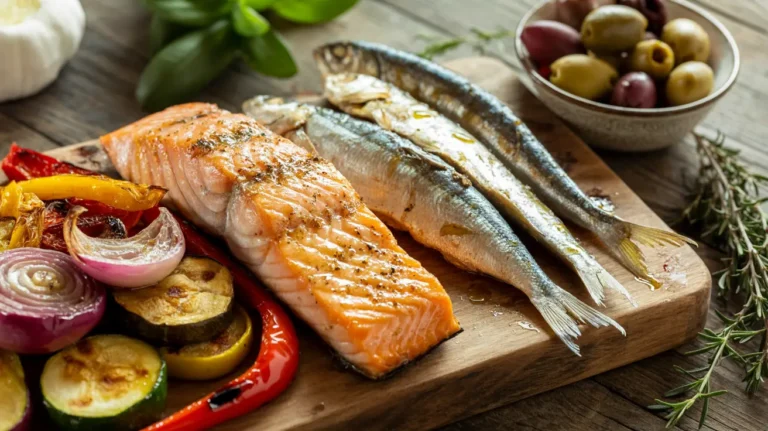
Fatty fish are among the most important foods in the Mediterranean diet for heart health, as they are rich in omega-3 fatty acids a type of fat that is incredibly beneficial for heart function. Omega-3s help lower triglyceride levels, reduce inflammation, and prevent blood clots.
Salmon, Sardines, and Mackerel: Key Sources of Omega-3s
Fish like salmon, sardines, and mackerel are excellent sources of omega-3 fatty acids. Eating these fatty fish regularly helps protect your heart by reducing the risk of arrhythmias (irregular heartbeats) and lowering blood pressure. Aim to include fatty fish in your diet at least two to three times per week for optimal heart health.
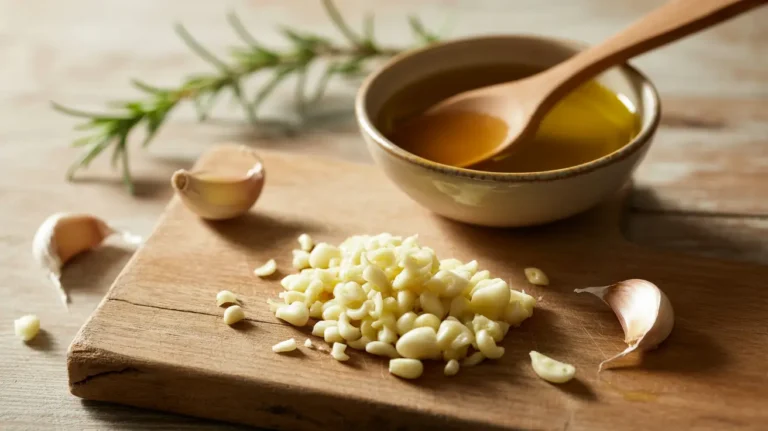
Garlic: A Natural Heart Helper
Garlic is another Mediterranean superfood that can improve heart health. Studies have shown that garlic can help lower blood pressure, reduce cholesterol, and improve blood circulation. It’s a natural way to enhance heart health while adding flavor to your meals.
Red Wine: In Moderation, It’s Heart-Healthy
While it’s important to enjoy alcohol in moderation, red wine when consumed as part of a heart-healthy Mediterranean diet can provide cardiovascular benefits. Red wine is rich in resveratrol, an antioxidant that helps protect the heart by improving cholesterol levels and reducing inflammation. Enjoy a glass of red wine with your meal, but remember: moderation is key!
Practical Tips for Incorporating the Mediterranean Diet Into Your Life

Simple Meal Ideas for a Heart-Healthy Mediterranean Diet
Incorporating the Mediterranean diet for heart health doesn’t have to be complicated. Simple meal ideas include:
- Breakfast: Greek yogurt with fresh berries, chia seeds, and a drizzle of olive oil.
- Lunch: A Mediterranean quinoa salad with chickpeas, cucumber, tomatoes, and feta cheese, dressed with olive oil and lemon juice.
- Dinner: Grilled salmon with a side of roasted vegetables and a small serving of whole grain rice.
Portion Control and Meal Timing for Optimal Heart Health
Even with heart-healthy Mediterranean foods, portion control is key. Eating smaller, balanced meals throughout the day can help regulate blood sugar, maintain a healthy weight, and support heart health. Focus on eating slowly and mindfully, savoring each bite to better tune into your body’s hunger cues.
Conclusion: Protecting Your Heart with Mediterranean Foods

The Mediterranean diet for heart health is not just a diet; it’s a lifestyle that promotes longevity, reduces inflammation, and enhances overall well-being. By focusing on heart-healthy foods such as olive oil, fatty fish, whole grains, and antioxidant-rich fruits and vegetables, you can protect your heart and reduce your risk of heart disease. Incorporating these foods into your daily routine, along with mindful eating habits and regular physical activity, will help you maintain a healthy heart for years to come.
For more Travel inspiration, Wellness tips, and delicious Mediterranean Recipes, follow us on Instagram: @MediterraneanHealthyLiving
FAQs About the Mediterranean Diet for Heart Health
- What makes the Mediterranean diet heart-healthy?
The Mediterranean diet for heart health is rich in healthy fats, fiber, and antioxidants, all of which help reduce inflammation, lower cholesterol, and improve circulation. - What are the best foods for heart health in the Mediterranean diet?
Olive oil, fatty fish, whole grains, legumes, and antioxidant-rich fruits and vegetables are some of the best foods for heart health in the Mediterranean diet. - How does olive oil support heart health?
Olive oil is rich in monounsaturated fats and antioxidants, which help reduce bad cholesterol levels, prevent inflammation, and improve blood vessel function. - Can the Mediterranean diet help lower blood pressure?
Yes, the Mediterranean diet is known to help lower blood pressure through its emphasis on potassium-rich fruits and vegetables, healthy fats, and fiber. - How often should I eat fatty fish for heart health?
It’s recommended to eat fatty fish like salmon, sardines, and mackerel at least two to three times a week to reap the benefits of omega-3 fatty acids. - Are nuts good for heart health?
Yes, nuts such as almonds, walnuts, and pistachios are excellent sources of healthy fats, fiber, and protein, all of which help support heart health. - What role do legumes play in heart health?
Legumes like beans, lentils, and chickpeas are high in fiber and protein while being low in fat, making them great for lowering cholesterol and supporting heart health. - Is red wine heart-healthy?
In moderation, red wine can offer cardiovascular benefits due to its antioxidants, especially resveratrol, which can improve cholesterol levels and reduce inflammation. - What are some easy Mediterranean diet recipes for heart health?
Simple recipes include quinoa salads with vegetables, grilled salmon with roasted vegetables, and whole-grain pasta with olive oil and fresh herbs. - Can the Mediterranean diet help with weight loss?
Yes, the Mediterranean diet emphasizes whole foods, healthy fats, and fiber, which can help with weight management by promoting fullness and reducing unhealthy cravings.