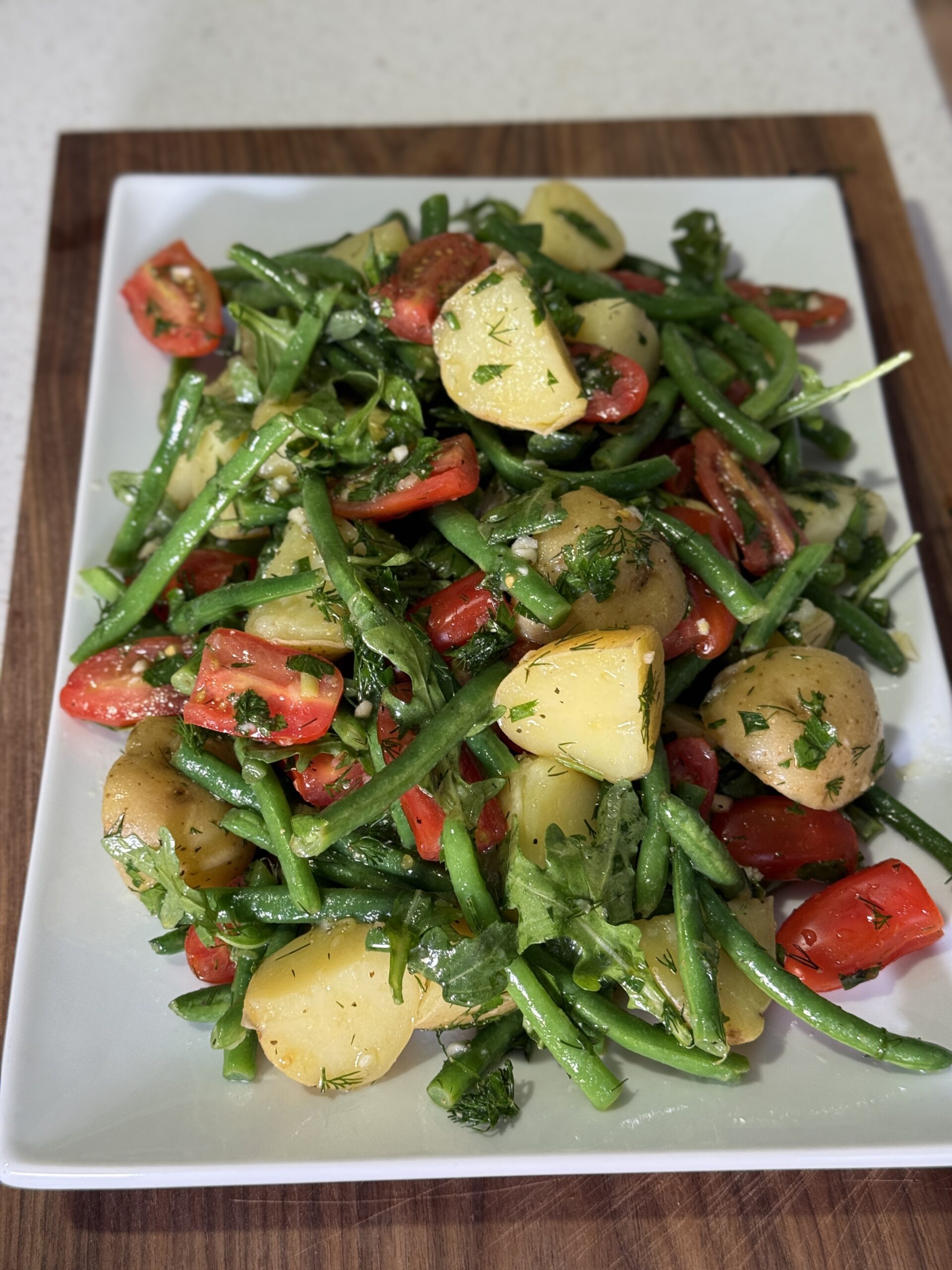


Introduction to Plant-Based Mediterranean Diet
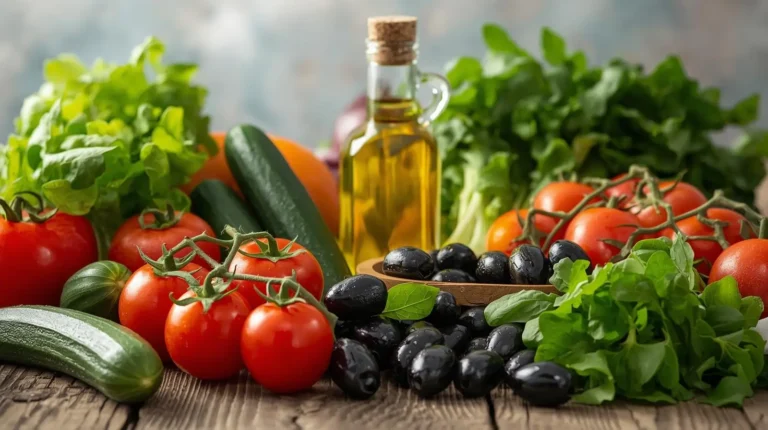
Are you looking for a way to nourish your body with wholesome, nutrient-dense foods that support long-term health? The plant-based Mediterranean diet might be just what you need! Known for its emphasis on fresh, natural ingredients and heart-healthy fats, this diet is gaining popularity not just for its delicious flavors, but also for its ability to improve overall wellness.
In this blog post, we’ll dive into the key benefits of adopting a plant-based Mediterranean diet and explore some of the best foods you should include in your meals. Whether you’re considering making the switch or simply curious about the Mediterranean lifestyle, this guide will give you everything you need to know.
Key Takeaways
- The plant-based Mediterranean diet focuses on whole, plant-based foods like fruits, vegetables, legumes, and whole grains.
- It is heart-healthy and helps with weight management and reducing the risk of chronic diseases.
- Olive oil, nuts, seeds, and plant-based protein sources are key components of the diet.
- The Mediterranean diet is known for its ability to enhance overall wellness and longevity.
What is a Plant-Based Mediterranean Diet?
The plant-based Mediterranean diet is a variation of the traditional Mediterranean diet that focuses entirely on plant-based foods while still embracing the flavors and principles of the Mediterranean region. In this version, meat and animal products are replaced by plant-based alternatives such as legumes, grains, vegetables, and fruits.
Key components of a plant-based Mediterranean diet
At the heart of the plant-based Mediterranean diet are whole, unprocessed foods that are rich in essential nutrients. This includes fresh vegetables, fruits, whole grains like quinoa and farro, legumes, and healthy fats from olive oil, nuts, and seeds. Unlike other diets, this one emphasizes eating foods in their natural form, which means no processed junk or artificial ingredients.
The Health Benefits of a Plant-Based Mediterranean Diet
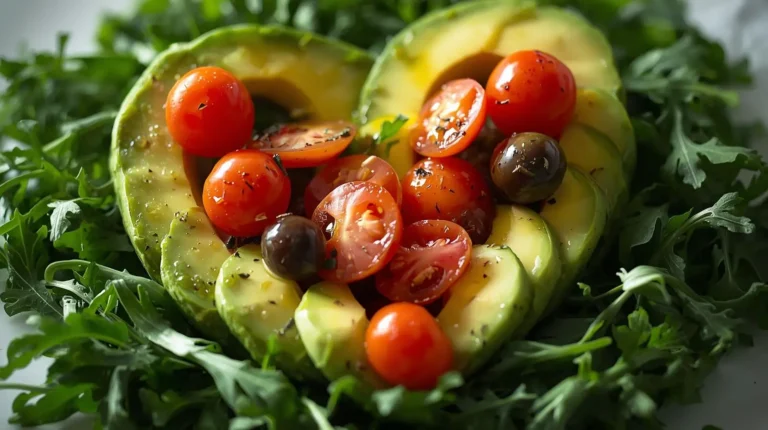
There’s no shortage of benefits when it comes to adopting a plant-based Mediterranean diet. From improved heart health to better weight management, this diet has earned its reputation as one of the healthiest eating patterns in the world.
Heart Health Benefits
One of the most compelling reasons to adopt the Mediterranean diet is its impact on heart health. The focus on healthy fats especially from olive oil along with plenty of fruits, vegetables, and legumes, helps lower cholesterol and reduces the risk of cardiovascular diseases. Studies show that people who follow this diet have a lower risk of heart attacks, strokes, and even early death.
Weight Management
If weight management is one of your goals, this diet is a great choice. The plant-based Mediterranean diet is naturally rich in fiber from vegetables, fruits, and whole grains, which helps you feel fuller for longer. It’s a balanced way to control your calorie intake without feeling deprived or restricted.
Reduced Risk of Chronic Diseases
The plant-based Mediterranean diet isn’t just great for your heart; it also helps reduce the risk of chronic diseases like type 2 diabetes, Alzheimer’s, and even certain types of cancer. The combination of antioxidants, fiber, and anti-inflammatory properties found in Mediterranean foods plays a key role in fighting disease and promoting long-term health.
Key Foods to Include in a Plant-Based Mediterranean Diet
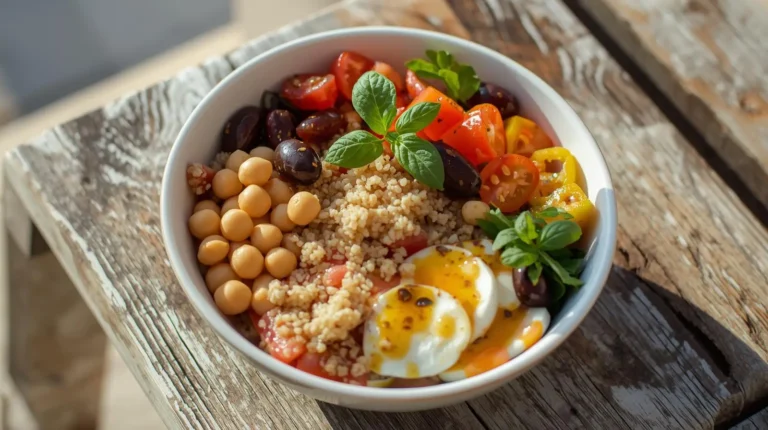
Now that we know the health benefits, let’s explore the key foods that make up the plant-based Mediterranean diet. From fresh vegetables to wholesome grains, these foods are not only nutritious but also flavorful.
Vegetables and Fruits
The Mediterranean diet is packed with a wide variety of fresh vegetables and fruits. Tomatoes, cucumbers, bell peppers, and leafy greens like spinach and kale are staples in Mediterranean cuisine. These foods are full of vitamins, minerals, and antioxidants that help support immune function and overall health.
Legumes and Beans
Legumes and beans such as chickpeas, lentils, and black beans are an excellent source of plant-based protein in the Mediterranean diet. These foods are also rich in fiber, which promotes digestive health and helps regulate blood sugar levels.
Whole Grains
Whole grains like quinoa, brown rice, barley, and whole-wheat pasta are key sources of complex carbohydrates in the Mediterranean diet. These grains are packed with fiber and provide slow-releasing energy, keeping you satisfied throughout the day.
Healthy Fats (Olive Oil, Nuts, Seeds)
A defining feature of the Mediterranean diet is its emphasis on healthy fats, particularly from olive oil, nuts, and seeds. These fats help reduce inflammation and support brain function. Olive oil, for example, is rich in monounsaturated fats, which are heart-healthy and great for maintaining healthy cholesterol levels.
Importance of Olive Oil
Olive oil is not only delicious but also one of the healthiest fats you can consume. Its high levels of monounsaturated fats have been linked to improved heart health, better blood sugar control, and reduced inflammation. Drizzling a bit of olive oil over your vegetables or using it for cooking is an easy way to add flavor and nutrients to your meals.
Health Benefits of Olive Oil
Olive oil is loaded with antioxidants, particularly vitamin E and polyphenols, which have strong anti-inflammatory properties. Studies show that regular consumption of olive oil can reduce the risk of heart disease, lower blood pressure, and even protect against certain types of cancer.
Role of Nuts and Seeds
Nuts and seeds are small but mighty powerhouses of nutrition. Almonds, walnuts, chia seeds, and flaxseeds are packed with essential fatty acids, protein, and fiber. Including a handful of these in your diet can help improve heart health, support brain function, and regulate your blood sugar levels.
Nutritional Benefits of Nuts and Seeds
The healthy fats found in nuts and seeds are great for supporting healthy cholesterol levels, while the fiber helps promote digestive health. They also contain important vitamins and minerals like magnesium, which helps regulate muscle and nerve function.
Plant-Based Proteins in the Mediterranean Diet
Since the plant-based Mediterranean diet eliminates animal products, it relies on plant-based protein sources to ensure adequate protein intake. Legumes, tofu, tempeh, quinoa, and nuts all provide the body with essential amino acids that support muscle growth and repair.
Best Plant-Based Protein Sources
Legumes, tofu, tempeh, quinoa, and edamame are fantastic plant-based protein sources. They are not only high in protein but also rich in fiber, which is essential for digestion and overall health.
How to Transition to a Plant-Based Mediterranean Diet

Switching to a plant-based Mediterranean diet doesn’t have to be difficult. Here are a few simple tips to get started on the right track.
Tips for Beginners
- Start slow by replacing one meal a day with a plant-based Mediterranean meal.
- Incorporate more fruits, vegetables, legumes, and whole grains into your meals.
- Experiment with Mediterranean spices like oregano, basil, and garlic to enhance flavors without extra calories.
Meal Planning and Preparation
- Plan your meals ahead of time to ensure you have all the ingredients you need on hand.
- Prepare large batches of beans, lentils, and grains, which can be stored in the fridge for easy meals throughout the week.
Plant-Based Mediterranean Diet and Weight Loss
The plant-based Mediterranean diet is perfect for those looking to shed a few pounds without the need for calorie counting or extreme restrictions. Because this diet is rich in fiber and plant-based foods, it helps control hunger while still providing all the essential nutrients your body needs.
Role in Weight Management
By focusing on whole, nutrient-dense foods, the Mediterranean diet promotes healthy weight loss through improved digestion and increased feelings of fullness. The high fiber content of vegetables and legumes helps keep you satisfied, making it easier to resist overeating.
Potential Challenges of a Plant-Based Mediterranean Diet
While the plant-based Mediterranean diet offers many benefits, there are a few challenges to consider when transitioning to this way of eating.
Nutrient Deficiencies to Consider
As with any diet, there’s a risk of nutrient deficiencies. Since this diet eliminates animal products, it’s essential to make sure you’re getting enough vitamin B12, iron, calcium, and omega-3 fatty acids. Luckily, these nutrients can be obtained through plant-based sources or supplements.
Overcoming Common Challenges
To overcome these challenges, include fortified plant milks, tofu, and dark leafy greens in your diet, and consider supplementing with omega-3s from algae-based sources.
Mediterranean Diet vs. Plant-Based Vegan Diet
Both the Mediterranean diet and plant-based vegan diet emphasize plant-based foods, but the key difference lies in the inclusion of some animal products in the Mediterranean diet, such as fish and dairy. In contrast, the vegan diet eliminates all animal products.
Key Differences and Similarities
While both diets are rich in vegetables, fruits, legumes, and healthy fats, the Mediterranean diet allows for moderate amounts of fish and dairy, while the vegan diet excludes all animal-derived foods.
How to Incorporate Mediterranean Diet into Daily Life
The Mediterranean diet is not just a diet it’s a lifestyle. Incorporating it into your daily routine is easier than you think!
Practical Meal Ideas and Recipes
Start by including Mediterranean-inspired meals like roasted vegetable quinoa bowls, hummus and veggie wraps, and simple salads with olive oil and lemon dressing.
Mediterranean Breakfast Ideas

For a satisfying breakfast, try oatmeal topped with chia seeds and fresh fruit or avocado toast with a drizzle of olive oil and a sprinkle of sea salt.
Plant-Based Breakfast Recipes
- Chia pudding with mixed berries
- Tofu scramble with vegetables
- Whole grain toast with mashed avocado and lemon
Lunch and Dinner Options
Mediterranean lunch and dinner can be both filling and delicious. Consider making a big batch of Mediterranean hummus and veggie wraps or a hearty lentil soup with olive oil and herbs.
Easy-to-Make Mediterranean Dishes
- Mediterranean quinoa salad
- Grilled vegetable and hummus pita
- Whole-wheat pasta with cherry tomatoes and olive oil
Conclusion
In conclusion, the plant-based Mediterranean diet offers a delicious, sustainable, and health-promoting way of eating. By focusing on whole, nutrient-dense foods like vegetables, legumes, whole grains, and healthy fats, this diet provides a wide range of health benefits from heart health to weight management and reduced risk of chronic diseases. Start small, and you’ll soon reap the rewards of this flavorful and nutrient-packed lifestyle.
For more Travel inspiration, Wellness tips, and delicious Mediterranean Recipes, follow us on Instagram: @MediterraneanHealthyLiving
FAQs
- What are the main components of a plant-based Mediterranean diet?
The key components are vegetables, fruits, legumes, whole grains, healthy fats (like olive oil), and plant-based protein sources. - Is olive oil really good for your health?
Yes! Olive oil is packed with heart-healthy fats and antioxidants that reduce inflammation and support overall health. - Can a plant-based Mediterranean diet help with weight loss?
Absolutely. The diet is naturally rich in fiber and low in processed foods, which helps with weight management. - What are the best plant-based protein sources in the Mediterranean diet?
Legumes, quinoa, tofu, tempeh, and edamame are excellent sources of plant-based protein. - Is the plant-based Mediterranean diet good for heart health?
Yes! This diet is well-known for its ability to reduce the risk of heart disease thanks to its focus on healthy fats, like olive oil, and plant-based foods. - What foods should I avoid on a plant-based Mediterranean diet?
Avoid processed foods, sugary snacks, and animal products like meat, cheese, and dairy. - How can I transition to a plant-based Mediterranean diet?
Start slowly by swapping out one meal a day with a plant-based Mediterranean option and gradually add more plant-based foods to your diet. - Are there any risks to a plant-based Mediterranean diet?
The main risk is nutrient deficiencies, particularly in vitamin B12, iron, and omega-3 fatty acids. These can be mitigated with supplements and fortified foods. - How does the Mediterranean diet differ from a plant-based vegan diet?
The Mediterranean diet allows for some animal products like fish and dairy, while the plant-based vegan diet eliminates all animal-derived foods. - Can I eat pasta on a plant-based Mediterranean diet?
Yes, whole-wheat or gluten-free pasta can be a healthy addition to your meals when paired with vegetables and olive oil.