

Table of Contents
Introduction to Seasonal Living in Mediterranean Cultures
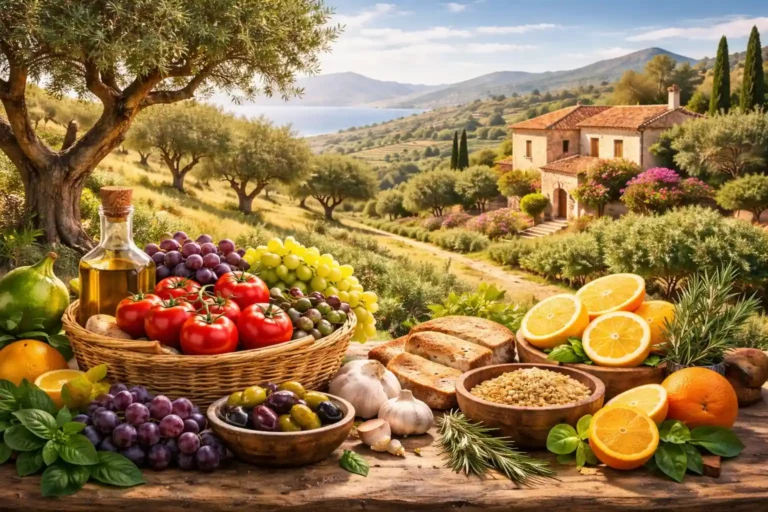
In today’s fast-paced world, it’s easy to feel disconnected from nature. We live in an era where technology often drives our routines, and food is available to us year-round, regardless of the seasons. But for Mediterranean cultures, life has always been about syncing with nature’s natural rhythms, embracing what the earth provides in different seasons, and honoring those cycles.
This concept of seasonal living eating foods that are harvested at their peak, engaging in activities that align with the changing seasons, and embracing a lifestyle that’s in tune with nature is deeply ingrained in the Mediterranean way of life. By eating with the seasons, you’re not only nourishing your body with the freshest and most nutritious foods, but you’re also connecting with the earth’s natural cycles. This approach to living can benefit your health, emotional well-being, and overall balance in life.
Key Takeaways
- Seasonal living aligns with nature’s rhythms, focusing on the food that’s naturally available during each season.
- Mediterranean cultures have deeply embedded traditions of seasonal eating and living that support health and well-being.
- This way of life encourages a natural lifestyle that emphasizes connection to the environment and sustainable practices.
What is Seasonal Living?
Seasonal living is the practice of aligning your lifestyle especially your eating habits with the natural cycles of the year. It’s about eating foods that are in season, enjoying the fruits and vegetables that nature provides at different times of the year, and engaging in activities that match the energy of the seasons.
The Concept of Aligning with Nature’s Rhythms
In Mediterranean cultures, seasonal living goes beyond just food; it’s a way of life. Nature’s rhythms play an important role in everyday activities, from harvesting crops to celebrating seasonal festivals. Living in sync with the seasons helps people maintain balance, health, and sustainability in their lives. By following the natural flow of the year, people in Mediterranean countries experience greater mental well-being, physical health, and a deeper connection to the land they cultivate.
Mediterranean Cultures and Their Connection to Nature
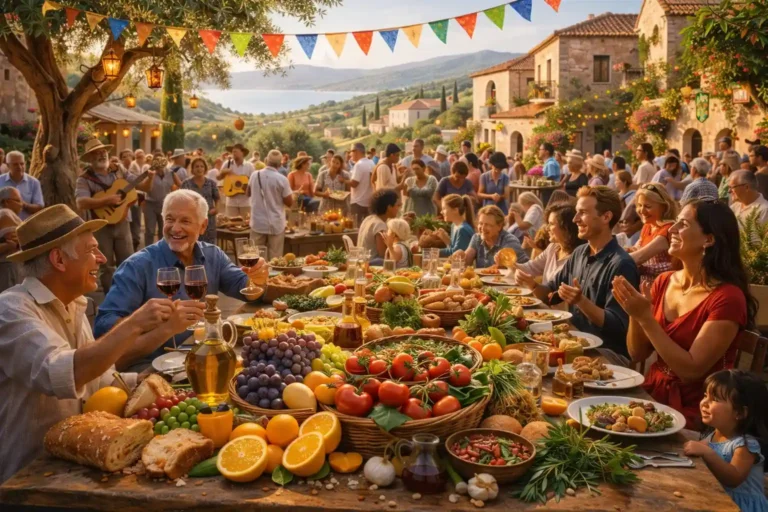
Mediterranean cultures have long recognized the importance of living in harmony with nature. Their seasonal practices aren’t just about food; they influence their way of life in everything from work to rest and play. Local traditions and cultural values have been passed down through generations, emphasizing a lifestyle that celebrates nature and embraces the changes each season brings.
Deep Roots in Seasonal Traditions and Practices
For centuries, Mediterranean communities have lived according to the rhythms of nature. Their agricultural practices reflect an intimate knowledge of the land. They’ve always planted, harvested, and eaten according to what’s available in nature at specific times of the year. This connection to the land not only provides for their physical needs but also helps them foster a deeper spiritual connection to the earth.
Seasonal Eating in Mediterranean Regions
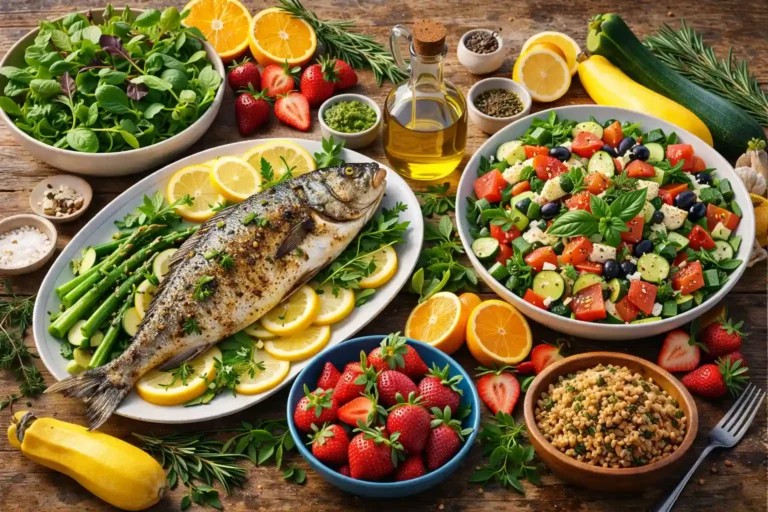
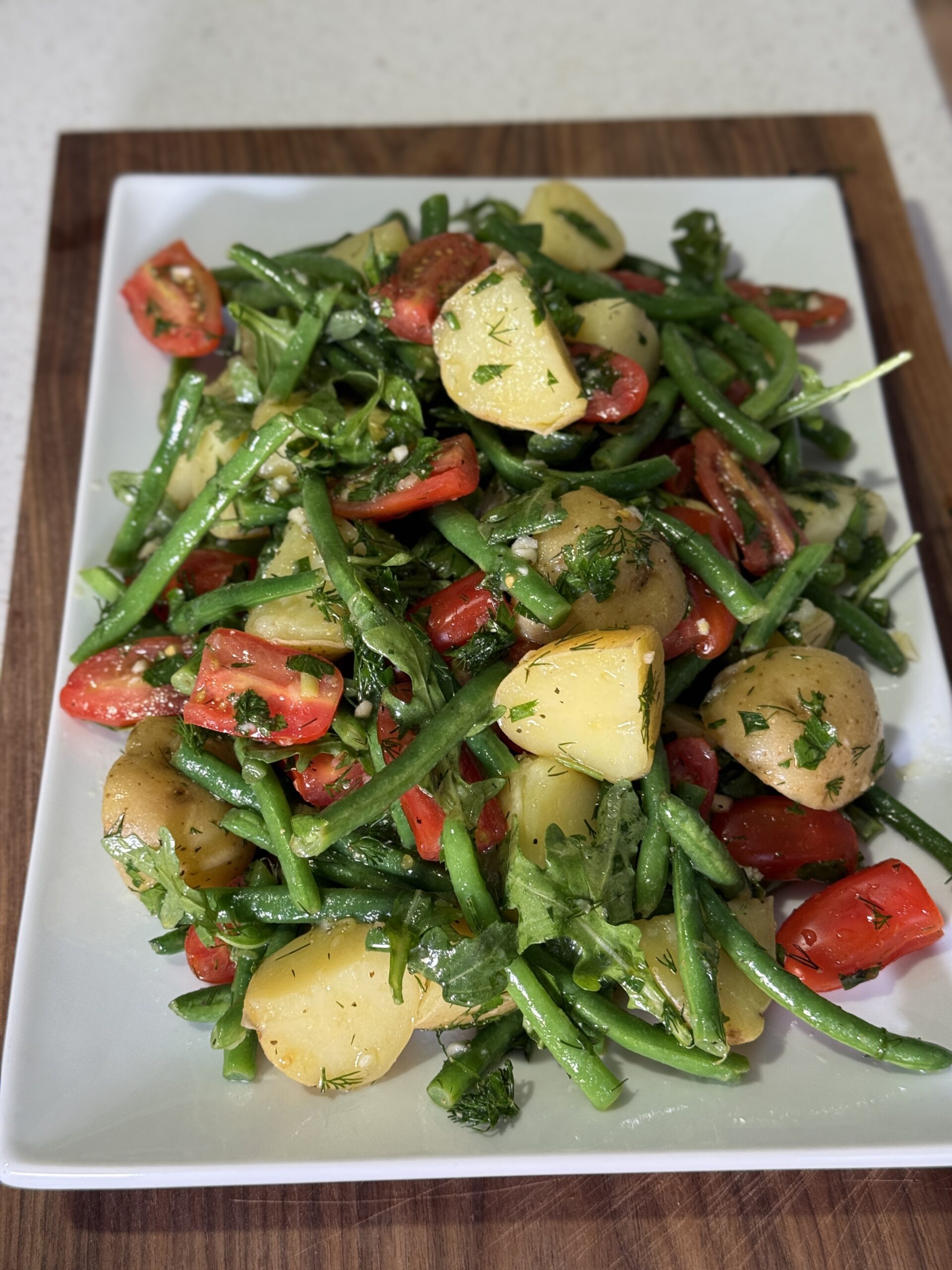
The Mediterranean diet itself is an excellent example of how seasonal eating has been incorporated into culture. Each season brings different types of produce to the table. In spring, the Mediterranean sees an abundance of fresh greens and herbs like fava beans and artichokes, while summer is filled with juicy tomatoes, berries, and cucumbers. Fall brings root vegetables and squash, and winter is the time for citrus fruits and hearty greens. Each of these foods is eaten at its peak, ensuring that people are consuming the most nutrient-dense and flavorful ingredients available.
Living in Sync with Nature’s Cycles
Mediterranean cultures also incorporate the idea of seasonality into other aspects of their lives. Whether it’s farming or celebrating festivals, there’s a clear understanding that each season brings its own energy. For example, during the harvest season, the community comes together to collect and preserve food, while spring is a time of renewal, marked by celebrations of growth and fertility.
The Role of Nature in Mediterranean Wellness
Nature plays a vital role in Mediterranean wellness, not only through seasonal eating but also in how people approach their health, vitality, and overall well-being. By living in tune with the seasons, Mediterranean cultures experience a more balanced and sustainable way of life.
Seasonal Foods and Their Health Benefits
Eating seasonally is one of the best ways to nourish your body. Seasonal foods are packed with nutrients because they’re eaten when they’re at their most flavorful and nutritious. For example, spring greens are rich in vitamin C, which boosts the immune system, while summer berries are full of antioxidants that protect against oxidative stress. Each season offers different nutrients that support overall health and well-being.
Seasonal Fruits and Vegetables
Seasonal fruits and vegetables offer a wide array of nutrients, including fiber, vitamins, and minerals that help support everything from digestive health to immunity. In the Mediterranean, these seasonal foods are the cornerstone of the diet, and they provide essential nutrients that contribute to a healthy, vibrant life.
Nutritional Value and the Impact on Wellness
The nutritional value of seasonal foods is significant because they are grown in their natural environment and harvested at the right time. Eating foods that are in season not only enhances flavor but also provides optimal nutrition, which is essential for maintaining mental clarity, emotional balance, and physical vitality.
Mediterranean Herbs and Spices
Herbs and spices like rosemary, oregano, and thyme are used abundantly in the Mediterranean diet. These plants are packed with antioxidants, anti-inflammatory compounds, and essential oils that support digestive and overall health. Many Mediterranean herbs also have medicinal qualities and have been used for centuries to treat a variety of ailments.
The Medicinal Qualities of Local, Seasonal Plants
Local plants such as oregano and basil are not only used to flavor dishes but also play a role in wellness. They contain bioactive compounds that help promote digestive health, improve circulation, and even fight infections. By consuming these herbs as part of seasonal eating, Mediterranean cultures have benefited from their healing properties for generations.
Mediterranean Architecture and Seasonal Living
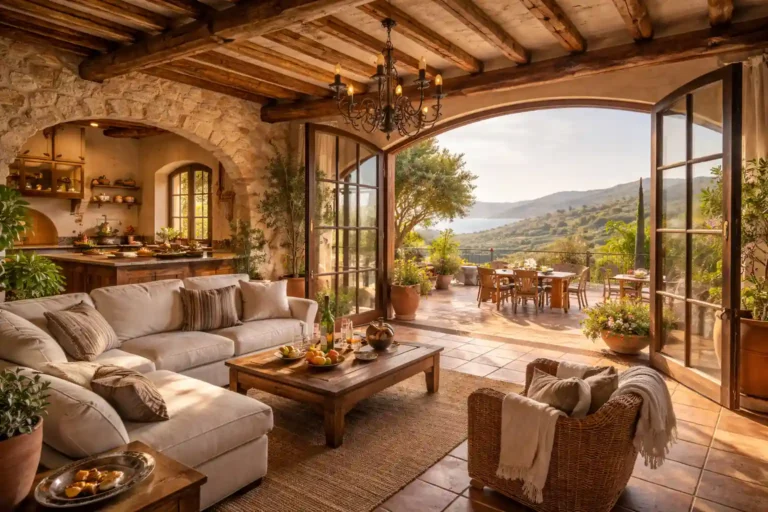
Mediterranean architecture also reflects the region’s commitment to seasonal living. Buildings are designed to adapt to the changing seasons and optimize energy use.
Design and Construction Aligned with Nature’s Cycles
Mediterranean homes are often built with natural materials like stone and wood, which help regulate indoor temperatures. Large windows allow natural light to enter, while shaded outdoor spaces provide relief during hot summer months. This connection between architecture and nature helps residents align with the seasons in a practical way.
Natural Building Materials
The use of natural materials is a key aspect of Mediterranean architecture. Stone, clay, and wood help maintain temperature control and provide an environmentally friendly, sustainable building solution. These materials also contribute to a sense of balance and harmony with the environment.
Seasonal Rituals and Festivals in Mediterranean Cultures
In addition to food and architecture, Mediterranean cultures celebrate the changing seasons with rituals and festivals. These celebrations are a way of marking the cycles of nature and giving thanks for the earth’s abundance.
How Culture Embraces Seasonal Transitions
Seasonal festivals, such as harvest festivals, spring festivals, and mid-summer celebrations, are important cultural events. These rituals not only celebrate the changing seasons but also encourage communities to come together and share in the seasonal harvests. By celebrating the seasons in this way, Mediterranean cultures foster a sense of community, gratitude, and connection to the land.
Practical Tips for Incorporating Seasonal Living into Modern Life
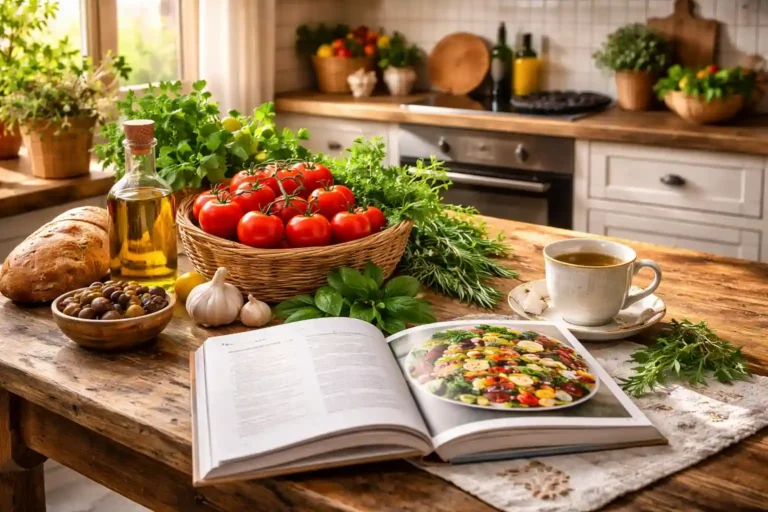
It’s easy to romanticize the Mediterranean way of life, but how can you start incorporating seasonal living into your modern, busy routine? It doesn’t require a complete lifestyle overhaul; small changes can make a big difference.
How to Sync Your Lifestyle with Nature’s Rhythms
Eat seasonally: Focus on eating fruits and vegetables that are in season. Shopping at a local farmers’ market is a great way to find fresh, seasonal produce.
Adopt natural rhythms: Try waking up with the sun and adjusting your activities to match the changing light and weather patterns.
Celebrate nature: Find local festivals or rituals that align with the changing seasons and participate in them as a way to connect with the natural world.
Conclusion
Embracing seasonal living the Mediterranean way is a powerful way to reconnect with nature, improve your health, and lead a more balanced life. By following the natural rhythms of the seasons, Mediterranean cultures have lived in harmony with the earth for centuries. Adopting some of these practices whether it’s through seasonal eating, natural architecture, or celebrating seasonal transitions can help you live a more fulfilling and health-conscious life.
“Embrace Seasonal Living for a Balanced Life!”
FAQs
- What is seasonal living in Mediterranean cultures?
Seasonal living involves aligning your lifestyle with nature’s rhythms, especially by eating foods that are in season and engaging in activities that reflect the changing seasons. - How does seasonal eating benefit health
Eating seasonally ensures that you’re consuming fresh, nutrient-dense foods that are at their peak nutritional value, which supports overall health and well-being. - What foods are in season in Mediterranean regions?
Spring: Asparagus, artichokes, peas.
Summer: Tomatoes, cucumbers, berries.
Fall: Apples, pumpkins, squash.
Winter: Citrus fruits, kale, root vegetables. - What are the benefits of Mediterranean architecture?
Mediterranean homes are designed to maximize natural light, regulate temperature, and use sustainable materials, promoting seasonal living and reducing energy consumption. - How do Mediterranean cultures celebrate seasonal transitions?
Through festivals, rituals, and gatherings, Mediterranean cultures celebrate the changing of seasons, marking important milestones such as harvests or the start of a new planting season. - Can I start eating seasonally if I live in a city?
Yes! You can start by shopping at local farmers’ markets or joining a community-supported agriculture (CSA) program to get fresh, seasonal produce. - What is the role of Mediterranean herbs in wellness?
Mediterranean herbs like oregano, rosemary, and basil are rich in antioxidants and have medicinal properties that promote digestive health, improve circulation, and reduce inflammation. - Why is seasonal living important for mental health?
Living in sync with nature’s rhythms can help reduce stress, improve emotional well-being, and promote a deeper sense of balance and harmony. - How do Mediterranean cultures use nature in their daily life?
From seasonal eating to nature-based festivals, Mediterranean cultures integrate nature into their routines, fostering a lifestyle that prioritizes well-being and sustainability. - How can I embrace seasonal living in my modern lifestyle?
Start by eating seasonal foods, adjusting your daily routines to match the seasons, and participating in local festivals or outdoor activities that celebrate nature’s rhythms.