

Table of Contents
Introduction to the Seasonal Mediterranean Diet
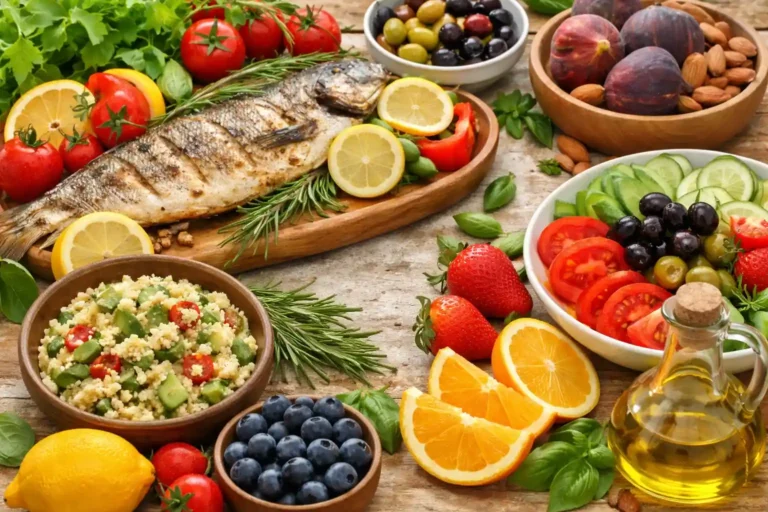
The Mediterranean diet is well-known for its health benefits, especially when it comes to promoting heart health, weight management, and longevity. But have you ever considered eating with the seasons? The Seasonal Mediterranean Diet takes the benefits of the Mediterranean diet to the next level by focusing on foods that are fresh, local, and naturally available during specific times of the year.
Eating seasonally not only helps you connect with nature but also ensures that you’re consuming the most nutrient-dense foods available. Whether you’re looking to improve digestion, boost immunity, or simply enjoy a variety of fresh, flavorful meals, eating according to the seasons is one of the best ways to nourish your body. In this blog, we’ll dive into what the Seasonal Mediterranean Diet is, how it supports optimal health, and the many benefits it offers.
The Mediterranean diet is well-known for its health benefits, especially when it comes to promoting heart health, weight management, and longevity. But have you ever considered eating with the seasons? The Seasonal Mediterranean Diet takes the benefits of the Mediterranean diet to the next level by focusing on foods that are fresh, local, and naturally available during specific times of the year.
Eating seasonally not only helps you connect with nature but also ensures that you’re consuming the most nutrient-dense foods available. Whether you’re looking to improve digestion, boost immunity, or simply enjoy a variety of fresh, flavorful meals, eating according to the seasons is one of the best ways to nourish your body. In this blog, we’ll dive into what the Seasonal Mediterranean Diet is, how it supports optimal health, and the many benefits it offers.
Key Takeaways
- The Seasonal Mediterranean Diet focuses on fresh, locally available foods that change with the seasons, providing a wide variety of nutrient-dense meals.
- Eating seasonally offers numerous benefits, such as better digestion, increased nutrient density, and a connection to local food systems.
- This diet emphasizes fruits, vegetables, whole grains, seafood, and healthy fats all key components for optimal health.
What is the Seasonal Mediterranean Diet?
The Seasonal Mediterranean Diet is a variation of the classic Mediterranean diet that focuses specifically on eating foods that are in season. By choosing fresh produce, seafood, and other ingredients that are harvested at their peak, you’re ensuring that your meals are not only nutritious but also flavorful and in sync with nature’s cycles. The diet encourages eating whole, minimally processed foods, while cutting back on processed foods and refined sugars.
Key Principles of Eating with the Seasons
Fresh, local foods: Seasonal eating encourages you to eat foods that are harvested locally and are naturally available during specific times of the year.
Variety and diversity: As the seasons change, so does the variety of foods available. This allows you to enjoy a wide range of nutrient-rich foods throughout the year.
Connection to the land: Eating seasonally supports local farmers and producers, helping to sustain regional food systems and reduce the environmental impact of food production.
Why Eat with the Seasons?
Eating seasonally is a simple yet powerful way to improve your health. When you eat foods that are in season, they are often fresher, more flavorful, and packed with nutrients. Seasonal foods are typically picked at their peak ripeness, which means they contain the most vitamins, minerals, and antioxidants.
Benefits of Seasonal Eating for Optimal Health
Higher nutrient density: Seasonal foods are often grown in optimal conditions, ensuring they retain higher levels of vitamins, minerals, and antioxidants.
Better digestion: Fresh, seasonal ingredients are easier for the body to digest and absorb, supporting a healthy gut and efficient digestion.
Connection to nature: Eating seasonally allows you to enjoy food that’s aligned with the natural rhythms of the earth, promoting a sense of well-being and environmental awareness.
How the Seasonal Mediterranean Diet Supports Health
The Mediterranean diet is not just about eating fresh, seasonal ingredients; it also aligns perfectly with healthy eating principles. In fact, the Mediterranean diet has been a major influence on the food pyramid concept, which guides us on how to build a balanced plate. The pyramid emphasizes eating a variety of whole, nutrient-dense foods, with a focus on fruits, vegetables, whole grains, and healthy fats, all of which are central to Mediterranean eating.
By following this pyramid-like structure, which prioritizes plant-based foods, lean proteins, and healthy fats, the Mediterranean diet offers a sustainable way to support long-term health, from digestive wellness to heart health and overall vitality. The seasonal nature of Mediterranean foods ensures that you’re always eating the freshest, most nutrient-dense options available, contributing to better digestion and enhanced well-being.
Fresh, Seasonal Ingredients for Better Digestion
Fresh seasonal ingredients like leafy greens, whole grains, and fish are naturally rich in fiber, which supports digestion. Fiber promotes healthy bowel movements, aids in the absorption of nutrients, and helps regulate blood sugar levels, all of which contribute to better digestive health.
Increased Nutrient Density in Seasonal Foods
When you eat foods that are in season, they are typically at their peak nutritional value. For example, summer tomatoes are packed with vitamin C and antioxidants, while winter citrus fruits provide vitamin C to boost your immune system. Leafy greens, berries, and root vegetables all offer a range of essential nutrients that support your health.
Seasonal Fruits and Vegetables
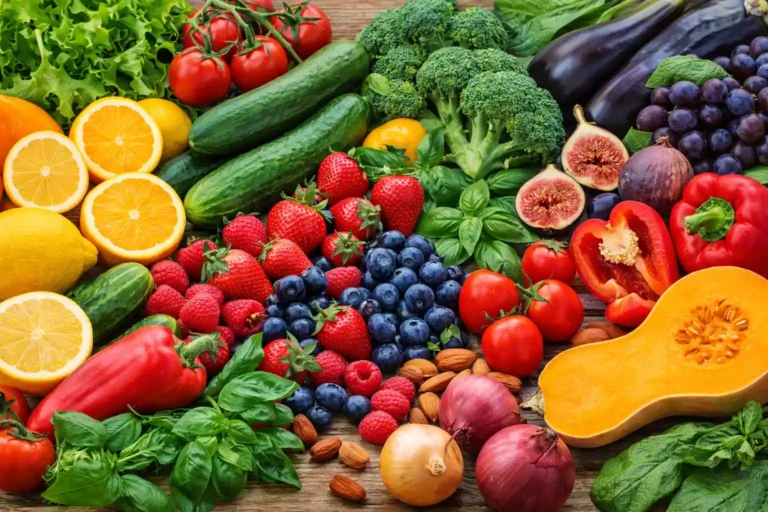
The Seasonal Mediterranean Diet is full of fruits and vegetables that change with the seasons. From spring herbs to fall root vegetables, seasonal produce adds variety and flavor to your meals while offering essential nutrients for optimal health.
Vibrant, Nutritious Produce Throughout the Year
In the spring, you can enjoy asparagus, artichokes, and peas, while summer brings a bounty of tomatoes, zucchini, and berries. Fall offers apples, squash, and pumpkins, and in winter, you’ll find leafy greens, citrus fruits, and root vegetables like carrots and beets.
The Role of Fresh Seafood in Seasonal Eating
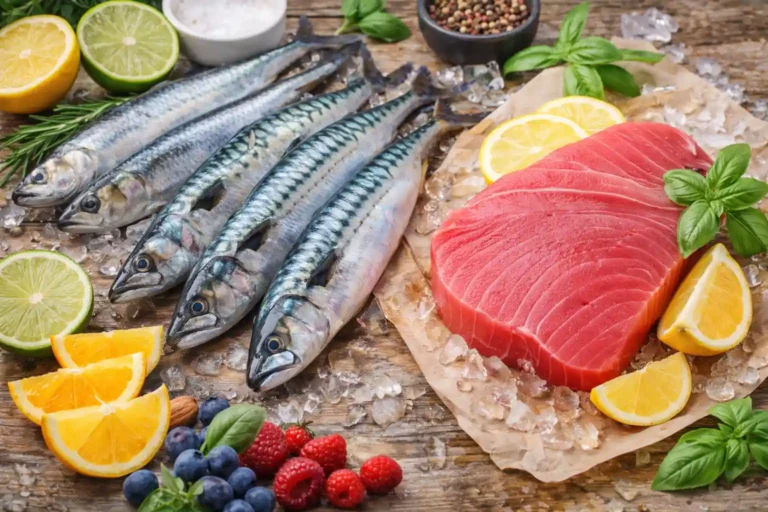
Seafood is a staple of the Mediterranean diet, and it plays a key role in supporting bone health, heart health, and mental well-being. Fresh seafood is often caught during specific seasons, ensuring it’s nutrient-dense and full of essential omega-3 fatty acids.
Why Fish and Seafood Matter in the Mediterranean
Eating fatty fish like salmon, sardines, and mackerel provides the body with omega-3 fatty acids, which reduce inflammation, improve brain function, and support heart health. The Mediterranean diet emphasizes eating fish at least twice a week, which provides the body with crucial nutrients for long-term health.
Key Seasonal Foods in the Mediterranean Diet
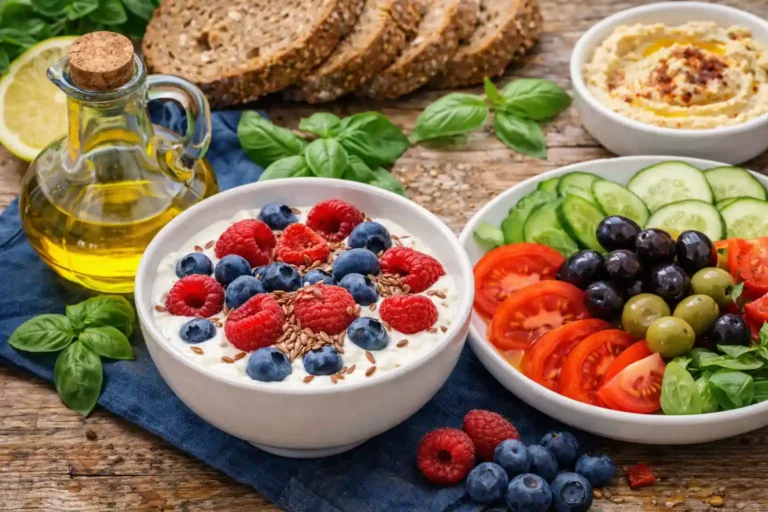
The Seasonal Mediterranean Diet encourages eating foods that are at their peak in each season. Let’s take a look at the best seasonal foods for each time of year.
Spring
Fruits: Strawberries, cherries, apricots
Vegetables: Asparagus, peas, artichokes
Herbs: Basil, mint, parsley
Summer
Fruits: Tomatoes, watermelon, peaches
Vegetables: Zucchini, eggplant, bell peppers
Seafood: Fresh fish like tuna and sardines
Fall
Fruits: Apples, figs, pomegranates
Vegetables: Sweet potatoes, squash, pumpkins
Nuts: Walnuts, almonds
Winter
Fruits: Citrus fruits like oranges, lemons, and grapefruits
Vegetables: Kale, Brussels sprouts, root vegetables (carrots, parsnips)
Herbs: Rosemary, thyme
Spring
In the spring, leafy greens and herbs come to life. Foods like peas, artichokes, and asparagus offer a fresh, nutrient-packed start to the warmer months.
Fresh Greens, Herbs, and Early Fruits
Spring is a time for fresh starts, and herbs like basil and parsley add flavor and nutrients to your meals. Artichokes and asparagus are rich in fiber and antioxidants, providing a healthy kick to your diet.
Summer
As the weather warms up, the Mediterranean diet really shines with the vibrant, flavorful produce of summer. Tomatoes, berries, and zucchini are just a few of the highlights that bring both flavor and nutrients to your plate.
Berries, Tomatoes, and Mediterranean Vegetables
Summer is the perfect time for tomatoes, which are rich in vitamin C and antioxidants, along with berries like blueberries and strawberries for added nutrients and flavor.
Fall
Fall is the season of rich root vegetables and squash. These foods are not only delicious but also packed with vitamins that support your immune system as the weather cools.
Root Vegetables, Squash, and Apples
Sweet potatoes, pumpkins, and squash are staples in the Mediterranean diet during the fall. These vegetables are rich in fiber and vitamin A, while apples provide a touch of natural sweetness.
Winter
In the winter, the Mediterranean diet offers plenty of leafy greens and citrus fruits to keep your immune system strong and your bones healthy.
Citrus, Leafy Greens, and Root Vegetables
Winter is all about citrus fruits like oranges and grapefruits, which are loaded with vitamin C to support immunity. Pair these with leafy greens like kale and Brussels sprouts, and you’ve got a hearty, nutrient-rich winter meal.
Practical Tips for Following a Seasonal Mediterranean Diet
Eating seasonally can seem challenging at first, but with some planning, it’s easy to incorporate seasonal Mediterranean foods into your meals. Here are some practical tips to get started:
How to Plan Meals Around Seasonal Foods
Check your local farmers’ market: Visit farmers’ markets to find out what’s in season and buy the freshest produce available.
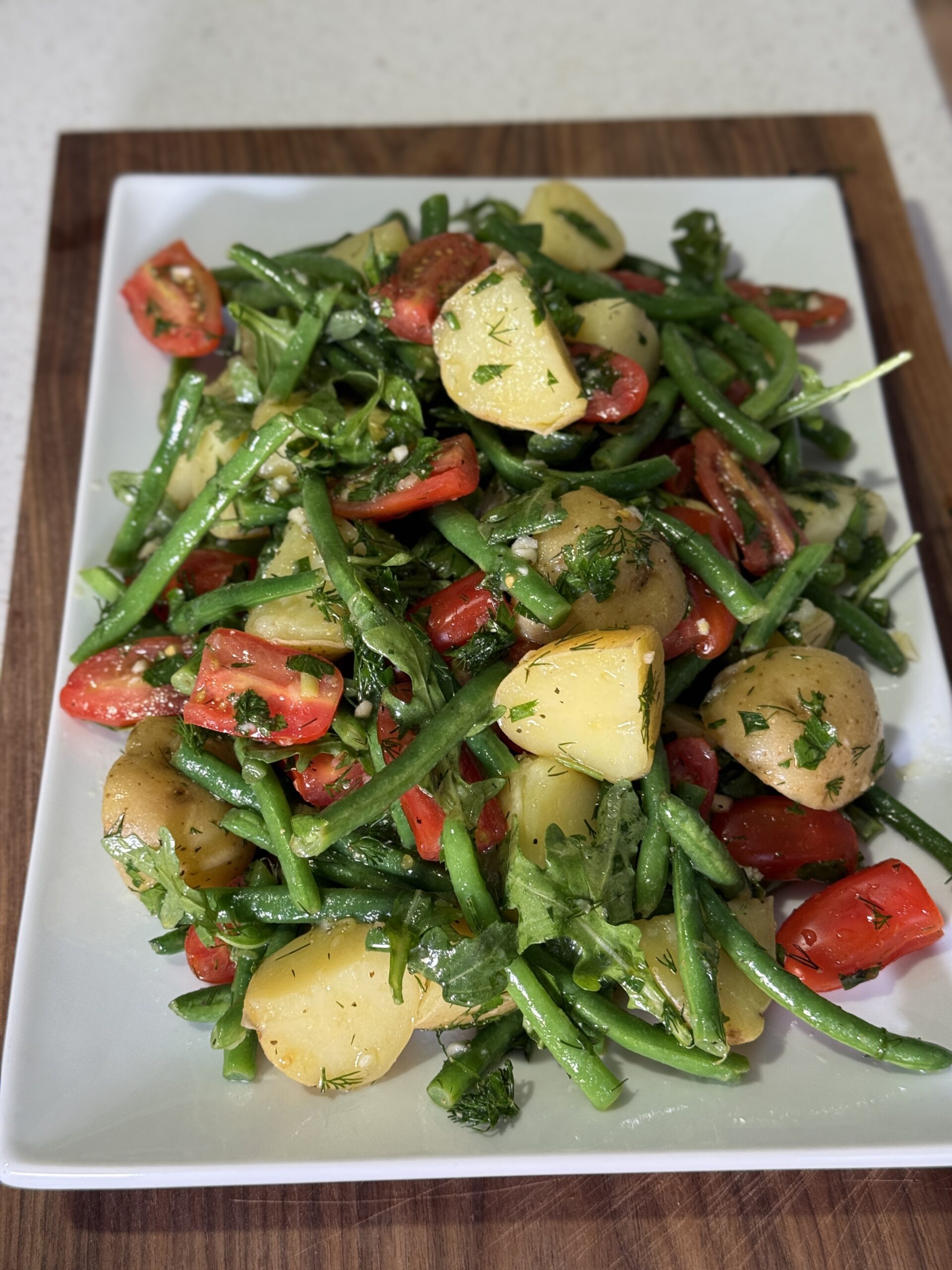
Build meals around the seasons: In the summer, focus on tomatoes, berries, and grilled vegetables, while in the winter, enjoy citrus fruits, kale, and root vegetables.
Get creative with herbs: Use fresh, seasonal herbs like rosemary, oregano, and thyme to enhance the flavors of your dishes.
Conclusion
The Seasonal Mediterranean Diet is a great way to improve your health by eating nutrient-rich foods that are naturally available during each season. By focusing on fresh produce, healthy fats, lean proteins, and fiber-rich foods, you can support your overall health, improve digestion, and boost your energy levels. Eating with the seasons is not only better for your body but also helps you connect with the environment and enjoy the full range of Mediterranean foods throughout the year.
FAQs
What is the Seasonal Mediterranean Diet?
The Seasonal Mediterranean Diet focuses on eating fresh, local foods that are in season, providing the best nutritional value throughout the year.
Why should I eat with the seasons?
Eating seasonally ensures you’re consuming fresh, nutrient-dense foods that are in their peak form, offering higher levels of vitamins and minerals.
What are the benefits of eating seasonal foods?
Seasonal foods are fresher, more flavorful, and nutrient-dense, helping to improve digestion, boost your immune system, and support overall health.
What are some of the best Mediterranean foods for the winter season?
In winter, enjoy citrus fruits, kale, Brussels sprouts, and root vegetables like carrots and parsnips.
How can I plan meals around seasonal foods?
Visit your local farmers’ market to find out what’s in season, and build meals around the produce that’s fresh and available in your area.
What are some Mediterranean vegetables I should eat in the summer?
Tomatoes, zucchini, eggplant, and bell peppers are great Mediterranean vegetables for the summer.
How does seasonal eating support sustainability?
Seasonal eating supports local farmers and reduces the environmental impact of food transport, helping to promote a more sustainable food system.
Can I eat seafood year-round on the Mediterranean diet?
Yes, Mediterranean seafood like sardines, salmon, and tuna are enjoyed year-round, but fresh fish is best when it’s in season.
How can I include more seasonal fruits in my Mediterranean meals?
Berries, citrus fruits, and apples can easily be added to salads, smoothies, or eaten as a snack throughout the year.
Is the Mediterranean diet good for weight loss?
Yes! The Mediterranean diet promotes healthy, balanced meals, including seasonal foods, that help with weight management while improving overall health.