

Table of Contents
Introduction: What is the Mediterranean Diet?
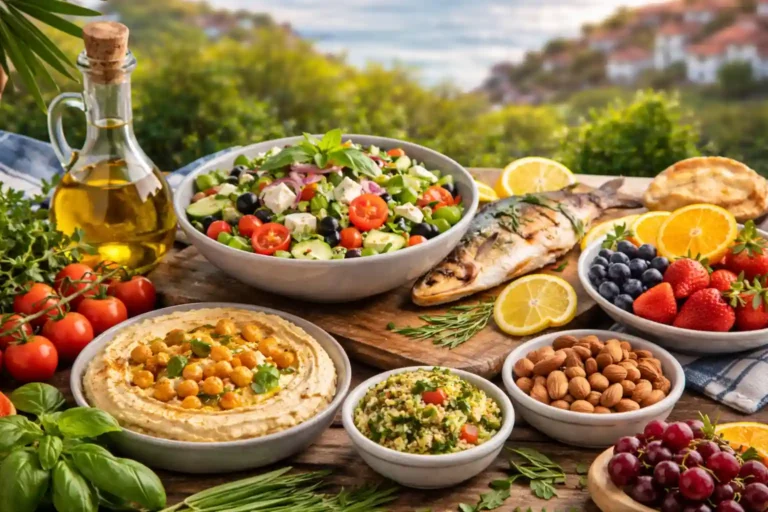
The Mediterranean diet has become a cornerstone of health and wellness in recent years, and for good reason. It’s based on the traditional eating habits of countries bordering the Mediterranean Sea, including Greece, Italy, and Spain. It emphasizes fresh fruits and vegetables, whole grains, healthy fats, and moderate amounts of fish and poultry.
The Mediterranean diet is well-known for promoting heart health, improving digestion, and even contributing to longevity. In regions like Blue Zones, where people live significantly longer, the Mediterranean diet plays a key role. So, let’s dive into how this diet helps people live longer and enjoy a healthier, more vibrant life.
Key Takeaways
- The Mediterranean diet and longevity are closely linked, with a focus on heart-healthy Mediterranean foods and a balanced lifestyle.
- Key foods like olive oil, fish, and fresh vegetables promote longevity and diet through antioxidants and healthy fats.
- The Mediterranean lifestyle incorporates social connection, physical activity, and a healthy diet to improve overall well-being and lifespan.
The Connection Between the Mediterranean Diet and Longevity
Understanding Longevity and its Key Factors
When it comes to living a long life, longevity isn’t just about genetics. Factors such as lifestyle choices, diet, social engagement, and physical activity all play a huge role. Many studies have shown that the Mediterranean diet has some of the longest life expectancies, particularly in areas known as Blue Zones regions where people live to 100 years or older.
In these areas, the Mediterranean diet is a major contributor. It focuses on consuming foods for long life, such as nutrient-dense vegetables, fish rich in omega-3 fatty acids, and healthy fats like olive oil.
The Role of Diet in Promoting Long Life
A healthy diet can help prevent chronic diseases such as heart disease, diabetes, and stroke, which are linked to shorter lifespans. The Mediterranean diet, with its emphasis on anti-inflammatory foods, antioxidants, and healthy fats, works to protect the body against these diseases. By promoting heart health and maintaining healthy blood pressure and cholesterol levels, this diet is a key player in achieving longevity.
Mediterranean Diet: A Heart-Healthy Approach
Heart-Healthy Foods in the Mediterranean Diet
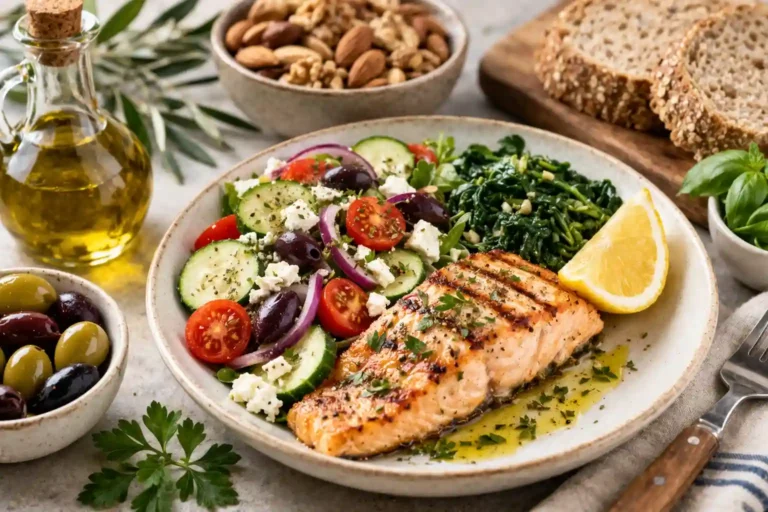
The Mediterranean diet is famously heart-healthy. At the core of this diet are foods that help reduce the risk of cardiovascular disease. Olive oil, for example, is packed with monounsaturated fats, which have been shown to reduce LDL (bad cholesterol) and raise HDL (good cholesterol).
Additionally, the Mediterranean diet includes plenty of omega-3-rich fish, such as salmon and sardines, which are vital for heart health. These heart-healthy foods help keep your arteries clear and your blood flowing smoothly, reducing the risk of heart attacks and strokes.
Why Mediterranean Diet Supports Heart Health
The heart-healthy Mediterranean diet works wonders because it is anti-inflammatory and rich in antioxidants. Chronic inflammation is one of the major risk factors for heart disease, and the Mediterranean diet helps to combat this by emphasizing nutrient-dense foods like leafy greens, tomatoes, and olive oil, all of which are packed with antioxidants that protect against cell damage.
How Mediterranean Diet Promotes Longevity in Blue Zones

The Blue Zones: Locations Where People Live the Longest
The Blue Zones are five regions in the world where people consistently live the longest and healthiest lives. These include Sardinia (Italy), Okinawa (Japan), Ikaria (Greece), Nicoya (Costa Rica), and Loma Linda (California, USA). What do these areas have in common? The Mediterranean diet is a staple in several of them, particularly in Ikaria and Sardinia, where residents enjoy impressive longevity.
Mediterranean Diet’s Impact on Blue Zone Populations
In these regions, the Mediterranean diet plays a vital role in longevity. People in these Blue Zones consume nutrient-dense foods, lean proteins, healthy fats, and plenty of vegetables and legumes. These foods, combined with physical activity and strong social ties, contribute to long, healthy lives. The Mediterranean diet’s focus on whole foods helps reduce the risk of chronic diseases, ensuring a longer, healthier life for its followers.
Key Mediterranean Foods that Contribute to Longevity
Olive Oil: The Heart-Healthy Fat
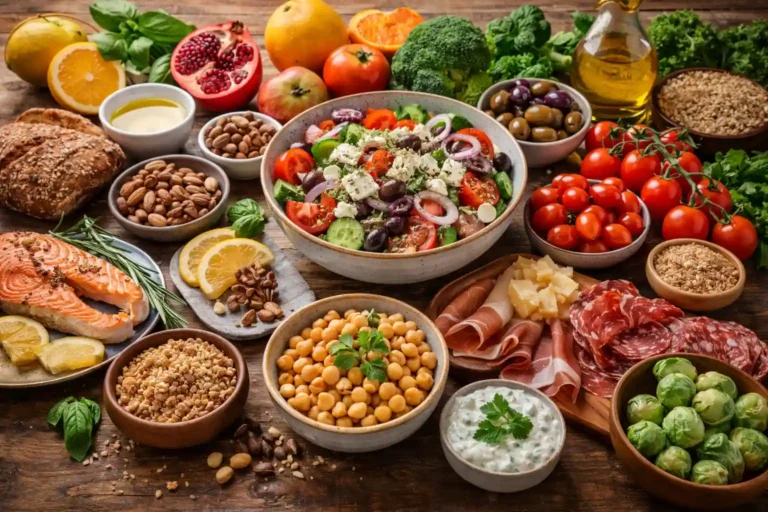
One of the most important ingredients in the Mediterranean diet is olive oil. This heart-healthy fat is full of monounsaturated fats, which help to lower cholesterol and improve heart health. Olive oil also has powerful anti-inflammatory properties, reducing the risk of chronic diseases such as arthritis and cardiovascular issues.
Using olive oil in your cooking instead of butter or other oils can contribute to better health and, ultimately, a longer life.
Fish and Seafood: Essential Protein for Long Life
Fish, especially fatty fish like salmon, mackerel, and sardines, are rich in omega-3 fatty acids, which are crucial for brain and heart health. The Mediterranean diet encourages the consumption of fish at least twice a week, providing essential protein without the saturated fat found in red meat. Regular fish consumption can also reduce the risk of cognitive decline and improve memory, which is important for longevity.
Fruits and Vegetables: Nutrient-Rich for Longevity
The Mediterranean diet is loaded with fruits and vegetables, providing a variety of essential vitamins, minerals, and antioxidants. These foods are low in calories but high in nutrients, which can help prevent diseases and promote long-term health. Tomatoes, leafy greens, and citrus fruits are common in Mediterranean meals, offering everything from vitamin C to powerful antioxidants that fight aging.
Mediterranean Diet and Mental Health
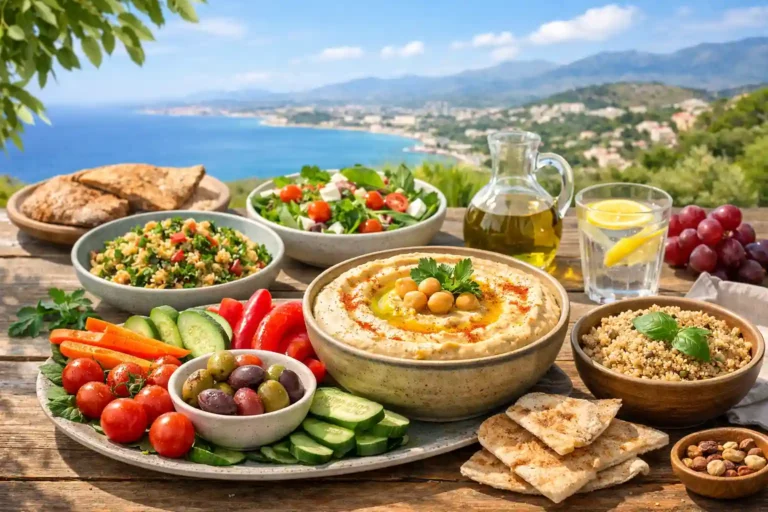
The Connection Between Diet and Brain Health
Diet not only affects physical health but mental health as well. The Mediterranean diet has been shown to benefit brain function, helping to reduce the risk of cognitive decline and diseases like Alzheimer’s. Foods like fatty fish, olive oil, and leafy greens have anti-inflammatory properties that support brain health, while antioxidants help protect the brain from oxidative stress.
Foods for Cognitive Longevity in the Mediterranean Diet
The Mediterranean diet includes numerous brain-boosting foods such as berries, which are rich in antioxidants, and whole grains, which provide a steady source of energy for the brain. Eating these foods regularly helps maintain mental clarity and sharpness as we age.
Benefits of Mediterranean Lifestyle Beyond Diet
Social Connections and Community in Mediterranean Cultures
The Mediterranean diet isn’t just about food it’s also about the lifestyle. Social connection plays a crucial role in longevity. In Mediterranean cultures, meals are often shared with family and friends, creating strong social bonds. These interactions contribute to emotional well-being, reducing stress and improving overall health.
Active Lifestyle and Physical Activity in the Mediterranean
People in the Mediterranean regions tend to be more physically active. Walking, gardening, and other forms of moderate physical activity are integrated into daily life. This active lifestyle, combined with a heart-healthy diet, is a major factor in why people in Mediterranean countries live longer and healthier lives.
How to Incorporate the Mediterranean Diet Into Your Life
Easy Ways to Begin the Mediterranean Diet
Starting the Mediterranean diet doesn’t require drastic changes. Begin by swapping your cooking oils for olive oil, incorporating more vegetables, and adding fish to your meals. It’s about making small, sustainable changes that add up over time.
Tips for Building a Mediterranean-Inspired Meal Plan
A typical Mediterranean meal plan should include whole grains, lean proteins, healthy fats, and plenty of fresh vegetables. Aim to eat fish or seafood a few times a week and use legumes like beans and lentils for added protein. Keep snacks simple olives and fresh fruit make for great Mediterranean-inspired options.
Conclusion: Living Longer with the Mediterranean Diet
The Mediterranean diet and longevity are deeply intertwined. The diet’s focus on nutrient-dense, anti-inflammatory foods not only supports heart and brain health but also contributes to a longer, healthier life. By incorporating Mediterranean lifestyle habits like social connection and regular physical activity, you can enjoy the many benefits of a diet that promotes longevity.
Ready to Embrace the Mediterranean Diet for Longevity?
Discover more tips, recipes, and health inspiration to live longer with Mediterranean-style eating.
FAQs About the Mediterranean Diet and Longevity
- What is the Mediterranean diet?
The Mediterranean diet is a traditional eating pattern found in countries bordering the Mediterranean Sea, focusing on fruits, vegetables, whole grains, fish, and olive oil. - How does the Mediterranean diet promote longevity?
The Mediterranean diet is rich in heart-healthy fats, antioxidants, and anti-inflammatory foods, which reduce the risk of chronic diseases and promote long-term health. - What are the key foods in the Mediterranean diet?
Key foods include olive oil, fish, vegetables, whole grains, fruits, and legumes. - Is the Mediterranean diet good for heart health?
Yes, the Mediterranean diet is well-known for its heart-healthy benefits, particularly due to its focus on healthy fats from olive oil and fish. - Can the Mediterranean diet improve brain health?
Yes, the Mediterranean diet has been shown to improve cognitive function and reduce the risk of Alzheimer’s disease. - What are Blue Zones?
Blue Zones are areas where people live the longest and healthiest lives, such as Sardinia, Ikaria, and Okinawa, many of which follow a Mediterranean-style diet. - How does olive oil contribute to longevity?
Olive oil is rich in monounsaturated fats and antioxidants, which help lower cholesterol and reduce inflammation, promoting long-term health. - Can I lose weight on the Mediterranean diet?
Yes, the Mediterranean diet is nutrient-dense and balanced, which can help with weight management by promoting fullness and reducing unhealthy cravings. - What is the connection between social life and longevity in the Mediterranean?
In Mediterranean cultures, social connections and community engagement are integral, providing emotional support and reducing stress, contributing to longevity. - How can I start incorporating Mediterranean diet foods into my life?
Start by adding olive oil to your cooking, eating more fish, and including plenty of fruits and vegetables in your meals.