

Introduction (Mediterranean Healthy Living Lens)
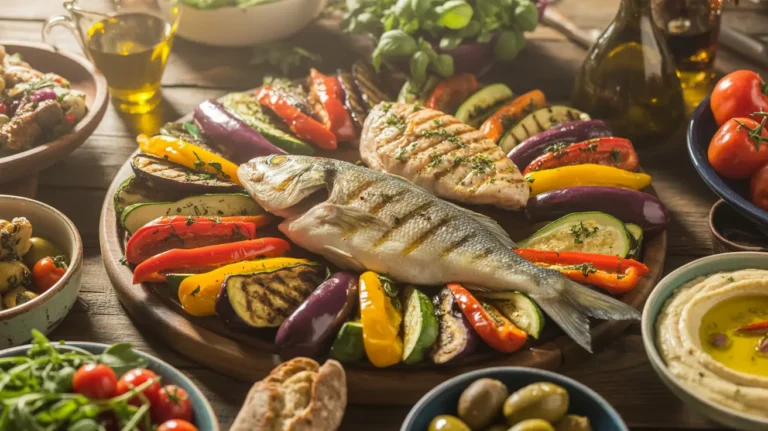
For decades, traditional food cultures around the Mediterranean have quietly practiced what modern nutrition science is now beginning to affirm: that real, whole foods prepared simply and eaten with intention form the foundation of lasting health.
The newly updated USDA Dietary Guidelines (2025–2030) reflect a meaningful shift in this direction. Rather than emphasizing restriction or isolated nutrients, the guidelines now highlight what many cultures have long known to be true: diets rich in vegetables, fruits, legumes, whole grains, healthy fats, and minimally processed foods support digestion, reduce inflammation, and promote overall well-being.
In many ways, this evolution in guidance feels less like a new discovery and more like a return. Mediterranean living has always centered on seasonal plants, olive oil as a primary fat, fermented and fiber-rich foods, and the rhythm of home-cooked meals shared across generations. These practices weren’t trends they were simply the way life was lived.
As gut health continues to emerge as a cornerstone of modern wellness, the USDA’s updated recommendations offer an opportunity to reconnect with these time-honored principles. In this article, we explore how the new dietary guidelines align beautifully with the Mediterranean way of living and how embracing this approach can support a healthier gut, lower inflammation, and a more balanced relationship with food.
Key Takeaways
- The USDA’s 2025-2030 guidelines emphasize a diet centered around whole foods, healthy fats, and fiber-rich ingredients.
- These changes are geared towards improving gut health and reducing the risk of chronic diseases like diabetes and heart disease.
- The focus is on reducing processed foods, refined sugars, and unhealthy fats while promoting nutrient-dense foods.
What Are the USDA's New Dietary Guidelines?
The USDA’s new dietary guidelines for 2025-2030 represent a shift towards more holistic, nutrient-dense eating habits. The guidelines aim to address the growing concerns about chronic diseases driven by poor eating habits, such as obesity, diabetes, and heart disease. These diseases are often linked to diets that are heavy on processed foods and lacking in whole, nutrient-rich ingredients.
The guidelines suggest eating more fruits, vegetables, whole grains, lean proteins, and healthy fats while drastically reducing the intake of processed foods, added sugars, and unhealthy fats. The goal is to reduce the consumption of foods that contribute to chronic health problems and instead focus on whole, real foods that provide vitamins, minerals, and fiber essential for optimal health.
Key Changes in the 2025-2030 Guidelines
- Increase in whole foods: A stronger emphasis on vegetables, fruits, whole grains, and plant-based proteins.
- Reduction of processed foods: A significant reduction in refined carbohydrates, added sugars, and chemical additives.
- Healthy fats: Emphasis on omega-3 fatty acids from sources like olive oil, salmon, and flaxseeds for improved gut and heart health.
Why These Guidelines Reflect the Mediterranean Way of Living
When you look closely at the USDA’s updated recommendations, the parallels to Mediterranean living are unmistakable. An emphasis on olive oil as a primary fat, legumes and whole grains as daily staples, abundant vegetables, and naturally fermented foods mirrors the dietary patterns of Mediterranean cultures that have prioritized longevity and vitality for generations.
This way of eating has never been about perfection or rigid rules. It is about nourishment over time meals prepared at home, ingredients chosen with care, and foods that work with the body rather than against it. Fermented foods support the gut microbiome, fiber-rich plants feed beneficial bacteria, and healthy fats help reduce inflammation while enhancing nutrient absorption.
Rather than chasing dietary trends, Mediterranean living reminds us that health is cumulative. Small, consistent choices rooted in tradition create resilience, balance, and longevity.
The Importance of Gut Health
Gut health is a growing focus in the world of nutrition, and for good reason. Our gut microbiome, the collection of trillions of bacteria and other microorganisms living in our digestive system, plays a vital role in digesting food, absorbing nutrients, and maintaining overall health. A healthy gut microbiome is associated with better digestion, a stronger immune system, and even improved mental health.
When the gut microbiome is out of balance often due to a poor diet the results can be disastrous. Digestive disorders, bloating, irritable bowel syndrome (IBS), and inflammation are just a few of the issues caused by an unhealthy gut. The USDA guidelines provide a roadmap for supporting gut health by focusing on foods that nourish the microbiome and promote optimal digestion.
Why Gut Health Matters
A healthy gut is key to maintaining digestive wellness. A well-balanced microbiome helps regulate bowel movements, prevent bloating, and protect against harmful pathogens. Moreover, research has shown that gut health can influence mental health, immune function, and even the risk of chronic conditions like type 2 diabetes and obesity.
How the USDA's Guidelines Support Gut Health
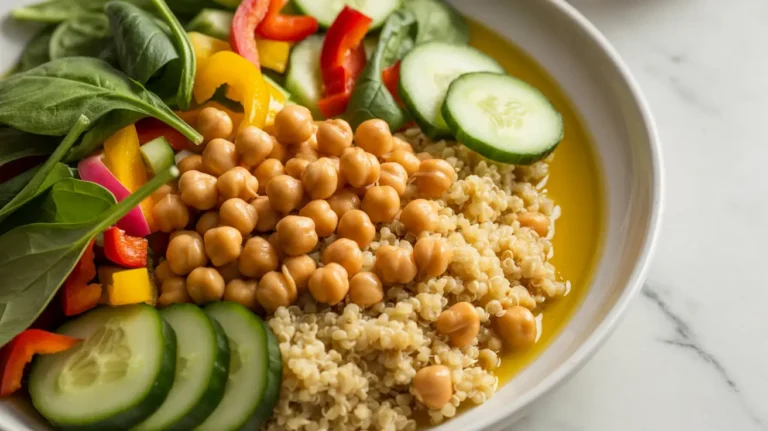
The updated USDA guidelines are designed to support gut health through the consumption of whole, nutrient-dense foods that are rich in fiber, healthy fats, and antioxidants. These foods help nourish the microbiome, reduce inflammation, and improve digestion.
Emphasis on Whole, Nutrient-Dense Foods
The foundation of the USDA guidelines is built on the idea of eating real, whole foods. These foods are packed with essential nutrients, including vitamins, minerals, and fiber, which promote a healthy digestive system. Vegetables, fruits, whole grains, and lean proteins are rich in fiber, which supports digestive function by promoting regular bowel movements and preventing constipation.
Whole Grains and Legumes for Gut Health
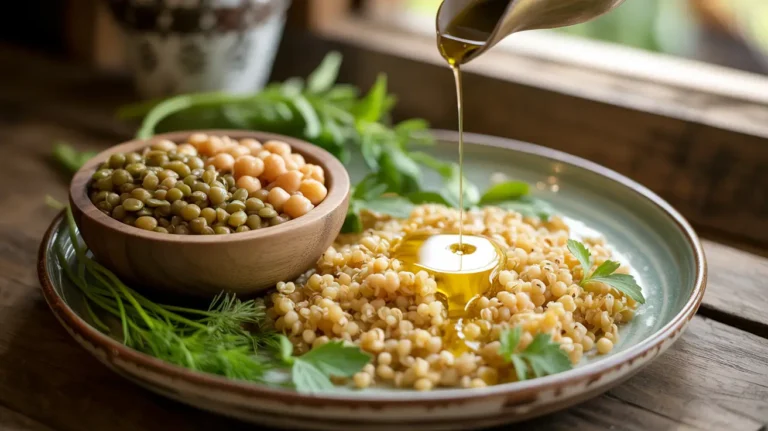
Whole grains like brown rice, quinoa, and oats, as well as legumes such as beans, lentils, and chickpeas, are excellent sources of soluble fiber, which helps regulate digestion. Fiber acts as food for beneficial gut bacteria, encouraging their growth and supporting a healthy balance in the microbiome. These foods also improve digestion by helping to move food through the intestines more efficiently.
The Role of Healthy Fats in Digestion
The USDA guidelines highlight the importance of healthy fats specifically omega-3 fatty acids found in olive oil, nuts, and fish. Healthy fats are vital for maintaining a healthy gut lining and promoting the absorption of fat-soluble vitamins such as vitamin A, D, E, and K. These fats also reduce inflammation in the gut, which can prevent or alleviate conditions like IBS and bloating.
Anti-Inflammatory Foods in the USDA Guidelines

Chronic gut inflammation is a major contributor to various digestive disorders, including IBS and leaky gut. The USDA guidelines emphasize the importance of eating foods that help reduce inflammation and support gut health.
Reducing Gut Inflammation with Real Food
Anti-inflammatory foods are a cornerstone of the Mediterranean diet and the USDA guidelines. Olive oil, avocados, berries, and leafy greens are all rich in antioxidants and polyphenols, which help reduce inflammation in the gut. These foods can prevent or reduce symptoms of digestive disorders, such as gas, bloating, and abdominal pain.
Vegetables and Fruits for Gut Health
The USDA guidelines recommend consuming a variety of colorful vegetables and fruits. These foods are rich in fiber and antioxidants that help reduce inflammation and support gut health. Leafy greens like spinach and kale, along with berries and citrus fruits, provide both prebiotics and antioxidants that help nurture beneficial gut bacteria.
Reducing Highly Processed Foods for a Healthier Gut
The rise of processed foods has been a significant factor in the increase of gut-related diseases in recent years. Highly processed foods like sugary snacks, chips, and sugary beverages are often low in essential nutrients and high in unhealthy fats, refined carbohydrates, and added sugars. These foods can disrupt the gut microbiome, leading to imbalances in the bacteria that reside in the gut.
Avoiding Refined Carbs and Added Sugars
The USDA guidelines recommend a significant reduction in the intake of refined carbohydrates and added sugars. These foods promote the growth of harmful bacteria in the gut, leading to inflammation and digestive problems. Instead, the guidelines encourage the consumption of whole grains and fruits, which support a healthy microbiome.
Probiotics and Prebiotics in the Guidelines

The USDA guidelines also emphasize the importance of probiotics and prebiotics for gut health. Probiotics are beneficial bacteria found in fermented foods like yogurt, kefir, and kimchi. These foods help replenish the good bacteria in the gut, improving digestion and reducing symptoms of digestive disorders. Prebiotics, found in foods like garlic, onions, and asparagus, feed the good bacteria in the gut, supporting their growth.
Practical Tips for Following the USDA Guidelines
Adopting the USDA guidelines may seem overwhelming at first, but with a few simple steps, you can easily integrate these recommendations into your daily routine.
Simple Ways to Incorporate Real Foods
- Start with whole foods: Incorporate more vegetables, fruits, whole grains, and legumes into your meals.
- Cook at home: Prepare meals with fresh ingredients and avoid processed foods.
- Stay hydrated: Drink plenty of water throughout the day to support digestion and overall health.
Conclusion
The USDA’s 2025–2030 Dietary Guidelines mark an important moment in modern nutrition one that moves us away from ultra-processed convenience and back toward real, nourishing food. By prioritizing whole ingredients, healthy fats, fiber-rich plants, and traditional preparation methods, these guidelines echo what Mediterranean cultures have practiced for centuries.
Gut health, digestion, and overall wellness are not built overnight. They are shaped slowly, through daily meals, mindful choices, and a lifestyle that honors both nourishment and pleasure. When we return to simple, home-cooked foods made with real ingredients, the body naturally finds balance.
Mediterranean Healthy Living is rooted in this philosophy not as a diet, but as a way of life. One that values tradition, connection, and food as a source of healing, joy, and longevity. Whether you begin by adding more vegetables to your plate, cooking more meals at home, or simply choosing better fats, these small steps create lasting change.
This is not about following rules it’s about returning to wisdom.
Discover More Gut-Healthy Recipes & Tips!
FAQs
- What are the USDA’s new guidelines for gut health?
The guidelines promote whole foods, fiber-rich diets, healthy fats, and probiotics to support gut health. - How does fiber support gut health?
Fiber helps regulate digestion, prevent constipation, and feed beneficial gut bacteria, improving overall gut health. - Why is olive oil important for gut health?
Olive oil is rich in monounsaturated fats and antioxidants, which reduce gut inflammation and support digestion. - What role do probiotics play in the USDA guidelines?
Probiotics help restore balance to the gut microbiome, improving digestion and reducing inflammation. - How can I reduce inflammation in my gut?
By incorporating anti-inflammatory foods like olive oil, omega-3-rich fish, and leafy greens, you can reduce gut inflammation. - What are some good sources of healthy fats?
Olive oil, avocados, and nuts are great sources of healthy fats that support gut health. - Can the USDA guidelines help with IBS?
Yes! The guidelines focus on fiber-rich foods, probiotics, and healthy fats, which can help alleviate IBS symptoms. - What foods should I avoid for better gut health?
Avoid processed foods, refined carbohydrates, added sugars, and unhealthy fats, as they can disrupt the gut microbiome. - What is the best way to start following the USDA guidelines?
Begin by incorporating more whole foods, such as vegetables, fruits, and whole grains, into your diet. - How does hydration affect gut health?
Staying hydrated helps maintain regular bowel movements and supports overall digestive function.