

Table of Contents
Introduction
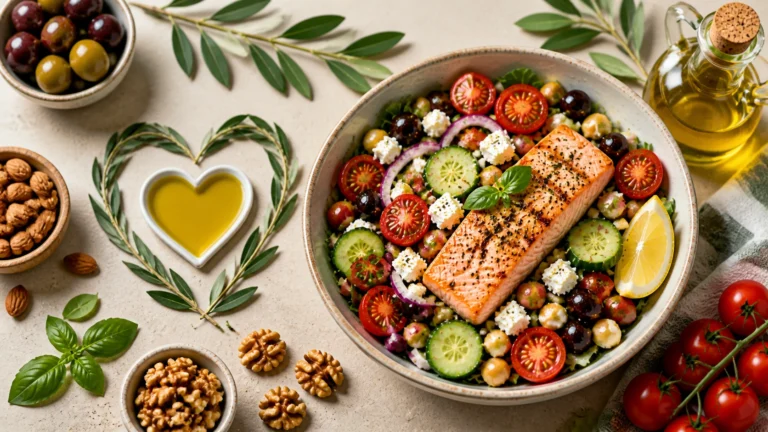
The Mediterranean diet is often hailed as one of the healthiest ways of eating, and for good reason. Its focus on heart-healthy eating, full of fresh vegetables, healthy fats, and lean proteins, is ideal for maintaining cardiovascular health. People who follow the Mediterranean diet tend to have lower rates of heart disease, and studies have shown it can improve cholesterol levels, lower blood pressure, and reduce inflammation all factors that contribute to a healthy heart. So, let’s dive into why the Mediterranean diet is considered the ultimate heart-healthy eating plan and how you can benefit from it.
Key Takeaways
- The Mediterranean diet promotes heart-healthy eating with an emphasis on healthy fats, fruits, vegetables, and lean proteins.
- Olive oil, omega-3 fatty acids, and fiber-rich foods are key to supporting heart health.
- This diet helps lower LDL cholesterol, increase HDL cholesterol, and reduce inflammation all crucial factors in reducing the risk of heart disease.
- The Mediterranean diet supports weight management and encourages sustainable, long-term healthy eating habits.
What is the Mediterranean Diet?
The Mediterranean diet is inspired by the eating habits of people who live in Mediterranean countries, such as Italy, Greece, and Spain. It’s based on a pattern of eating that includes whole foods, plant-based ingredients, and healthy fats. The core principles of the Mediterranean diet include:
- Fruits and vegetables: These are the foundation of the diet, rich in vitamins, minerals, and antioxidants.
- Whole grains: Foods like brown rice, barley, and whole wheat provide fiber and essential nutrients.
- Healthy fats: The Mediterranean diet encourages olive oil, nuts, and seeds as primary fat sources.
- Lean proteins: Fish and seafood are the main sources of animal protein, with limited consumption of red meat.
- Herbs and spices: Flavors come from fresh herbs like basil, oregano, and garlic, which are naturally anti-inflammatory and heart-healthy.
This Mediterranean lifestyle is as much about the food as it is about enjoying meals with others and being active two important aspects for heart disease prevention.
The Role of Healthy Fats in Heart Health
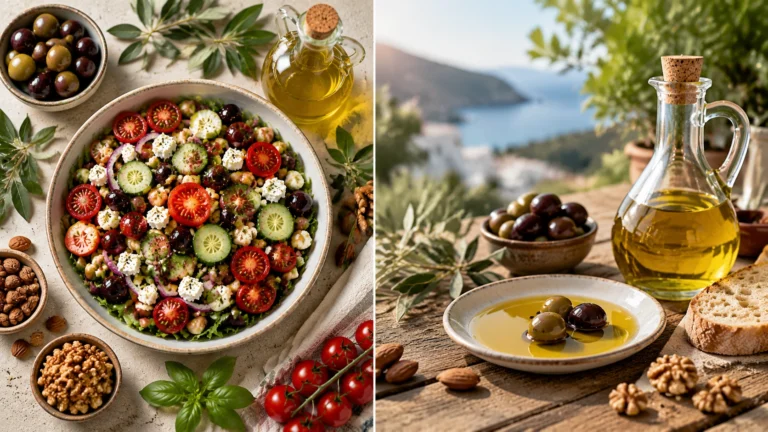
One of the standout features of the Mediterranean diet is its focus on healthy fats. While many other diets recommend cutting out fats entirely, the Mediterranean approach emphasizes monounsaturated fats and omega-3 fatty acids, both of which are essential for a healthy heart.
Monounsaturated Fats
The Mediterranean diet is rich in monounsaturated fats, which can help reduce bad cholesterol (LDL cholesterol) while maintaining or increasing good cholesterol (HDL cholesterol). The primary source of these fats in the Mediterranean diet is olive oil. Olive oil is packed with antioxidants, which help protect the body from oxidative stress and lower inflammation two key factors in preventing heart disease. You’ll also find monounsaturated fats in avocados and nuts like almonds and walnuts.
Omega-3 Fatty Acids
Omega-3 fatty acids are another critical component of the Mediterranean diet. Found in fatty fish like salmon, sardines, and mackerel, omega-3s are known for their ability to lower triglycerides, reduce blood pressure, and decrease the risk of heart disease. These heart-healthy fats also have anti-inflammatory effects, making them an essential part of any heart-healthy eating plan.
The Mediterranean Diet and Cholesterol
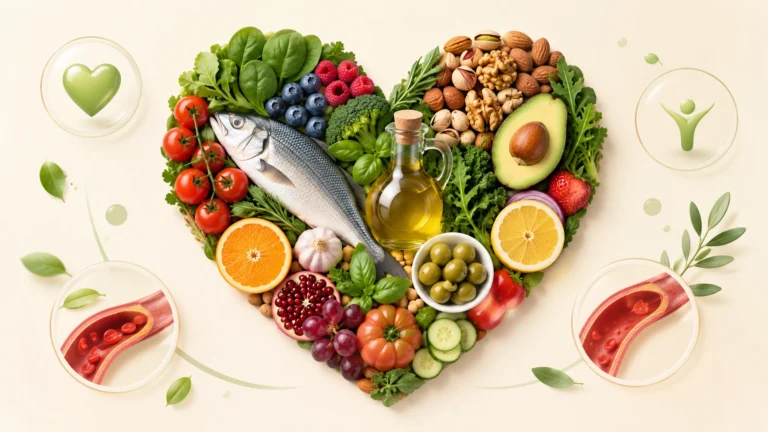
Managing cholesterol levels is vital for heart health, and the Mediterranean diet is proven to be effective at improving cholesterol profiles.
Lowering LDL Cholesterol
The Mediterranean diet’s emphasis on fiber-rich foods like fruits, vegetables, and legumes can help lower LDL cholesterol the “bad” cholesterol that clogs arteries and increases the risk of heart disease. The healthy fats from olive oil and nuts also play a role in lowering LDL cholesterol without affecting HDL cholesterol, helping to maintain a good balance.
Increasing HDL Cholesterol
In addition to lowering LDL cholesterol, the Mediterranean diet is also known for increasing HDL cholesterol, the “good” cholesterol that helps clear excess cholesterol from the bloodstream. By consuming healthy fats like those found in olive oil and fatty fish, you can raise HDL levels, which in turn supports cardiovascular health and reduces the risk of heart disease.
The Anti-Inflammatory Properties of the Mediterranean Diet
Chronic inflammation is a significant risk factor for heart disease. One of the reasons the Mediterranean diet is so effective at promoting heart health is its ability to reduce inflammation in the body.
Antioxidants in Fruits and Vegetables
The Mediterranean diet is packed with fruits and vegetables, which are rich in antioxidants like vitamin C, vitamin E, and flavonoids. These antioxidants help neutralize free radicals in the body, preventing oxidative stress and reducing inflammation. Berries, tomatoes, and leafy greens are some of the most anti-inflammatory foods found in the Mediterranean diet.
Herbs and Spices
Herbs and spices are not just for flavor; they also contain powerful anti-inflammatory properties. Garlic, turmeric, and oregano are commonly used in Mediterranean cooking and have been shown to support heart health by reducing inflammation and lowering blood pressure. These natural ingredients make the Mediterranean diet not only delicious but also incredibly beneficial for your cardiovascular system.
Mediterranean Diet and Blood Pressure
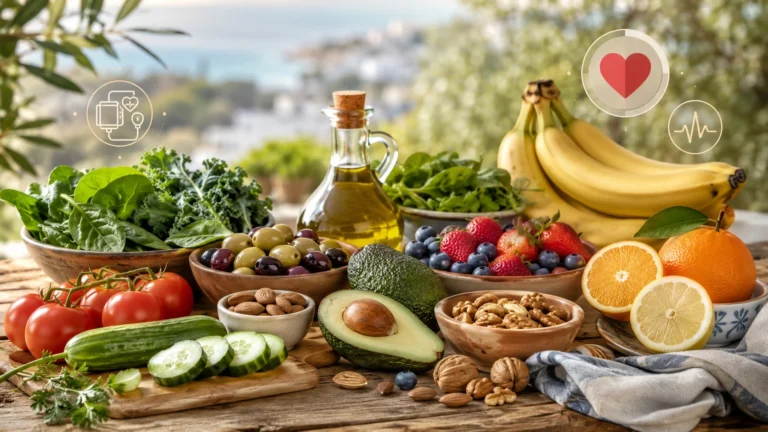
High blood pressure is another key risk factor for heart disease, and the Mediterranean diet is an excellent way to manage it.
The Role of Potassium-Rich Foods
The Mediterranean diet emphasizes potassium-rich foods, which help balance the effects of sodium in the body. Potassium helps relax blood vessels and lowers blood pressure. Foods like leafy greens, tomatoes, and beans are excellent sources of potassium, contributing to heart health by supporting normal blood pressure levels.
Weight Management and Heart Health
Maintaining a healthy weight is essential for heart health, and the Mediterranean diet supports healthy weight management.
Balanced Nutrition and Portion Control
The Mediterranean diet promotes balanced nutrition with proper portion control. By focusing on whole foods and healthy fats, this diet helps control hunger and maintain a healthy weight. Unlike fad diets, which often encourage extreme measures, the Mediterranean diet is about enjoying food in moderation and maintaining long-term health.
Mediterranean Diet vs. Other Diets
Compared to low-fat or high-protein diets, the Mediterranean diet is unique in its focus on balanced eating. It encourages heart-healthy eating habits without being restrictive, making it easier to stick with over time.
Sustainability and Longevity
One of the major benefits of the Mediterranean diet is its sustainability. It is not a temporary diet but a lifelong approach to healthy eating. The emphasis on fresh, whole foods makes the Mediterranean diet an excellent choice for long-term health and heart disease prevention.
Conclusion
The Mediterranean diet is undoubtedly the ultimate heart-healthy eating plan. With its focus on healthy fats, fiber, and anti-inflammatory foods, it offers everything your heart needs to stay healthy. Whether you’re looking to lower your cholesterol, manage your blood pressure, or simply enjoy a nutrient-dense diet, the Mediterranean diet is a fantastic choice for improving heart health and living a longer, healthier life.
FAQs
- What makes the Mediterranean diet heart-healthy?
It’s rich in healthy fats, antioxidants, and fiber which help lower LDL cholesterol and reduce inflammation. - Can the Mediterranean diet help lower blood pressure?
Yes, the diet is high in potassium-rich foods like leafy greens and legumes, which help regulate blood pressure. - How does the Mediterranean diet lower cholesterol?
It lowers LDL cholesterol through fiber-rich foods and increases HDL cholesterol with healthy fats like olive oil. - What are some good sources of protein on the Mediterranean diet?
Fish, seafood, legumes, and nuts are excellent protein sources on the Mediterranean diet. - Can the Mediterranean diet help with weight management?
Yes, the balanced nutrition and portion control in the Mediterranean diet support healthy weight management. - What are the best fats to eat on the Mediterranean diet?
The diet emphasizes monounsaturated fats like olive oil and omega-3 fatty acids from fish. - Is the Mediterranean diet good for preventing heart disease?
Yes, the Mediterranean diet helps reduce inflammation, lower cholesterol, and manage blood pressure, which are all key factors in preventing heart disease. - What are some common Mediterranean diet foods?
Common foods include fruits, vegetables, whole grains, olive oil, fish, and nuts. - Can I drink alcohol on the Mediterranean diet?
Yes, moderate wine consumption is a part of the Mediterranean diet, typically enjoyed with meals. - How long does it take to see results with the Mediterranean diet?
Most people begin to see positive changes in their heart health and weight management after a few weeks to a few months.