


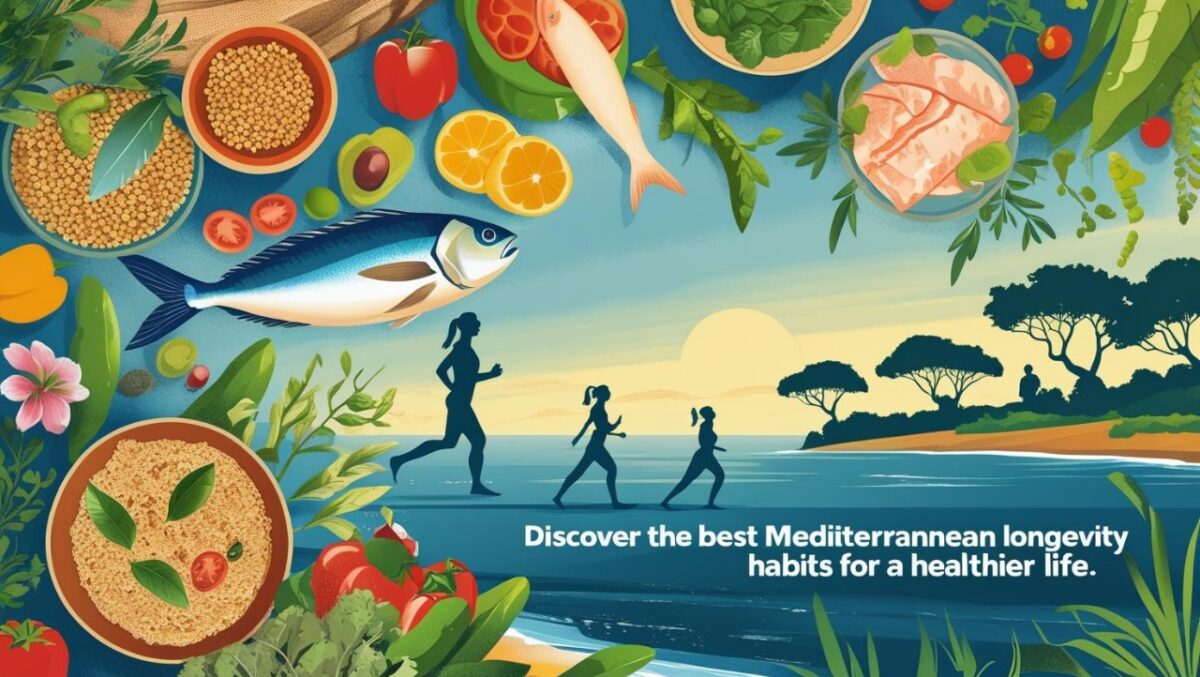
Top Mediterranean Longevity Habits for a Healthier Life
Wondering how the Mediterranean lifestyle contributes to longer, healthier lives? Discover the Mediterranean longevity habits that make a difference. From diet and exercise to social connections, this guide covers essential practices for enhancing well-being and longevity.
Key Takeaways
- A plant-based diet rich in fruits, vegetables, and whole grains is essential for longevity, reducing the risk of chronic diseases.
- Incorporating extra virgin olive oil, lean proteins, and fish into meals supports heart health and overall well-being.
- Prioritizing social connections, mindfulness, physical activity, and adequate rest are crucial for enhancing lifespan and quality of life.
Embrace a Plant-Based Diet for Longevity

A foundational element of the Mediterranean diet is its emphasis on plant-based foods. Populations in regions known for their longevity, such as the Blue Zones, primarily consume whole food, plant-based diets and enjoy the longest life expectancies. Higher consumption of fruits, vegetables, and whole grains, coupled with a lower intake of animal products, is strongly linked to improved longevity and reduced mortality. This dietary pattern not only promotes better health but also significantly decreases the risks of chronic diseases like obesity, diabetes, and cardiovascular conditions.
The beauty of a plant-based diet lies in its simplicity and nutrient density. Key benefits include:
- Whole, unrefined plant foods are rich in vitamins, minerals, and antioxidants essential for promoting healthy aging.
- Plant-based diets are associated with enhanced cognitive health, potentially lowering the risks of cognitive decline and diseases such as Alzheimer’s.
- Incorporating a variety of colorful fruits and vegetables into your meals adds a wide range of flavors and provides numerous health benefits.
Adopting a Mediterranean-style diet focuses on prioritizing plant-based foods rather than eliminating animal products entirely. This approach promotes good health and contributes to a lower carbon footprint. Embracing this dietary pattern can lead to a healthier, more sustainable lifestyle that promotes longevity and overall well-being, including the benefits of Mediterranean diets and addressing climate change.
Incorporate Healthy Fats Like Olive Oil
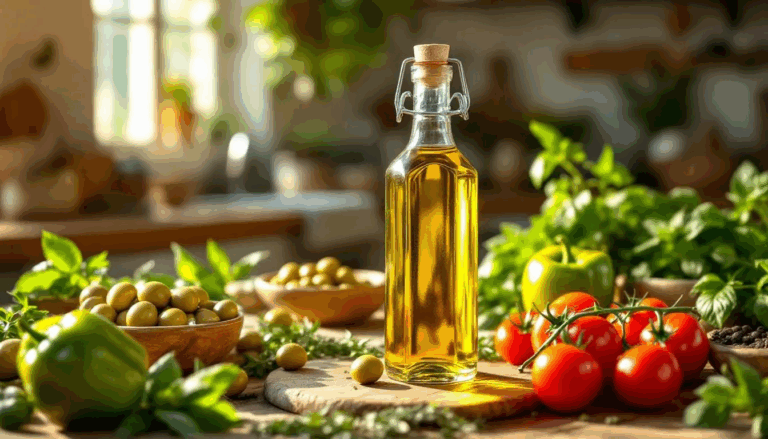
One of the hallmarks of the Mediterranean diet is the incorporation of healthy fats, particularly olive oil. Extra virgin olive oil, rich in monounsaturated fats, plays a crucial role in promoting cardiovascular health. Its consumption is associated with a reduced risk of heart disease, thanks to its ability to lower inflammation and improve cholesterol levels. This golden elixir is a staple in Mediterranean kitchens, used for cooking, dressing salads, and even drizzling over bread.
Olive oil is not just a source of healthy fats; it is also packed with antioxidants that combat oxidative stress and inflammation. These properties make it an integral part of a healthy diet that supports healthy aging. Studies have shown that individuals who regularly consume olive oil have a lower risk of developing chronic diseases, further cementing its reputation as a cornerstone of the Mediterranean lifestyle.
Switching to olive oil from other fats can enhance the healthfulness of your meals. Whether you’re sautéing vegetables, baking fish, or preparing a fresh salad, incorporating extra virgin olive oil can elevate the nutritional profile of your dishes. This simple change allows you to enjoy the benefits of healthy fats and contributes to a more balanced diet.
Click here 15% off Kosterina Olive Oil—a Mediterranean kitchen essential that I personally love and use often.
Kosterina is high in polyphenols, which act as antioxidants and help fight inflammation. It’s perfect for daily Mediterranean cooking.
Prioritize Fresh and Seasonal Foods

The Mediterranean lifestyle places a strong emphasis on fresh, locally sourced, and seasonal produce. Utilizing seasonal foods optimizes nutrient intake and supports local biodiversity, ensuring that you get the most flavor and nutritional value from your meals. Fresh produce often has superior taste and quality compared to out-of-season options, making your meals not only healthier but also more enjoyable.
Supporting local farmers through seasonal eating strengthens community ties and local economies. Additionally, eating seasonally can help reduce the environmental impact associated with food transportation, making it a more sustainable choice.
Whether you grow your own produce, participate in community gardens, or shop at local farmers’ markets, prioritizing fresh and seasonal foods is a key aspect of the Mediterranean diet that promotes both personal and environmental health.
Enjoy Fish and Lean Proteins Regularly
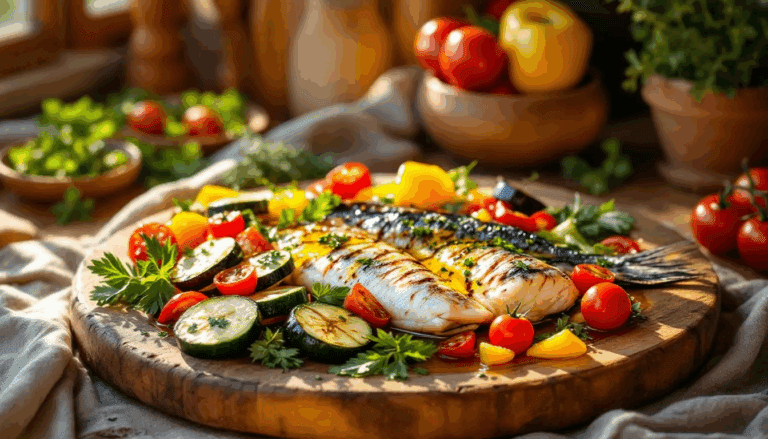
Incorporating fish and lean proteins into your diet is another essential aspect of the Mediterranean lifestyle. Fatty fish like:
- mackerel
- salmon
- sardines are top choices due to their high omega-3 content, which is linked to lower levels of triglycerides and reduced inflammation. Regular consumption of fish can help prevent health issues such as heart disease, stroke, and cancer, contributing to a long and healthy life.
Eating fish at least two servings per week supports heart health, helps maintain muscle mass, and promotes overall metabolic health. The Mediterranean diet suggests prioritizing seafood over red meats to enhance heart health and reduce the risk of chronic diseases.
Lean proteins such as shellfish, shrimp, and clams are also included in the Mediterranean diet and provide essential nutrients with lower fat content. Incorporating a variety of fish and lean proteins into your meals ensures a balanced diet that supports longevity and overall well-being.
Practice Mindful Eating and Portion Control
Mindful eating is a key component of the Mediterranean lifestyle, helping to maintain a healthy weight and prevent overeating. This practice involves:
- Savoring meals slowly
- Using smaller plates
- Employing healthier cooking methods to enjoy food fully and promote better digestion. Paying attention to hunger and fullness cues helps avoid overeating and supports better weight management. Additionally, it encourages individuals to eat mindfully, which can positively influence their body mass index.
Key strategies in the Mediterranean diet for preventing overeating and supporting longevity include:
- Aiming to feel about 80% full after meals
- Using smaller portion sizes to maintain a healthy weight and reduce the risk of chronic diseases
- Embracing mindful eating and portion control to lead to a healthier lifestyle and improved overall well-being, while considering your eating style, which can help mitigate the effects of metabolic syndrome and support weight loss, ultimately contributing to a healthier weight.
Stay Physically Active Every Day
Daily physical activity is integral to the Mediterranean lifestyle, seamlessly blending movement into everyday routines. Recommended forms of exercise include:
- Walking
- Swimming
- Cycling
- Dancing These activities are both enjoyable and beneficial for health. Regular exercise is associated with a lower risk of chronic diseases, including cardiovascular disease, cardiovascular events, and mortality.
Incorporating small activities into daily routines, such as short walks or gentle gardening, can lead to significant health benefits. These activities are not only modes of transportation but also opportunities for leisurely enjoyment and social interaction. Finding enjoyment in physical activities encourages consistent participation and contributes to a healthier lifestyle.
Engaging in outdoor activities is also associated with lower stress levels and a greater appreciation of the environment. Staying physically active every day supports better health, longevity, and overall well-being.
Foster Strong Social Connections
Strong social connections are a cornerstone of the Mediterranean lifestyle, significantly contributing to increased longevity and better overall health. Mediterranean cultures prioritize spending time with family and friends to enhance social ties. Effective ways to nurture social connections include:
- Participating in communal activities
- Joining clubs
- Volunteering
- Engaging in hobbies
Gardening is another activity that not only provides fresh produce but also fosters community connections and promotes mental relaxation. Research suggests that loneliness can lead to serious health issues and increased mortality, emphasizing the importance of social interaction for mental wellness.
Eating as a communal experience promotes sharing and social interaction during meals, further strengthening social bonds. Social interaction provides both intellectual stimulation and emotional support, reducing symptoms of anxiety and depression and enhancing overall well-being. Fostering strong social connections leads to better health and a longer, happier life, especially when meals are shared and enjoyed together, as they have been eaten throughout history.
Get Adequate Rest and Sleep
Adequate sleep is crucial for promoting longevity and maintaining good health. Key points include:
- Sleeping for more than seven hours each night is linked to improved cognitive function and a lower risk of stress-related conditions, potentially mitigating age related cognitive decline.
- Mediterranean cultures traditionally practice daytime naps, known as siestas, to enhance relaxation and mental clarity. Getting enough sleep is essential for this.
- This combination of good sleep habits and adherence to the Mediterranean diet can significantly reduce cardiovascular disease risk.
Prioritizing rest and sleep can lead to better health outcomes and support healthy aging. Ensuring adequate sleep each night improves overall well-being and supports longevity.
Live Simply and Reduce Stress

Living a simplified life is a key aspect of the Mediterranean lifestyle, contributing to improved emotional health and well-being. Key elements include:
- Reducing stress through a balanced life and nurturing personal interests, which is highly valued in Mediterranean cultures.
- Simplifying your life by decluttering.
- Avoiding overbooking to help reduce stress and promote better health.
A simplified lifestyle not only reduces stress but also supports longevity and a higher quality of life. Focusing on what truly matters and eliminating unnecessary stressors leads to a healthier life and promotes positive lifestyle habits along with other lifestyle factors for a more fulfilling life through lifestyle medicine, ultimately contributing to improved life expectancy, a healthy lifestyle, and reduced all cause mortality.
Drink Red Wine in Moderation

Moderate consumption of red wine is another aspect of the Mediterranean diet that offers health benefits. Red wine contains antioxidants known as polyphenols, which can protect blood vessel linings and benefit heart health. Resveratrol, a key antioxidant found in red wine, may help lower ‘bad’ LDL cholesterol and reduce the risk of blood clots.
The health benefits of red wine are best realized when consumed in moderation, ideally up to one glass per day for women and two for men. Moderate consumption is associated with a reduced risk of coronary artery disease, making it a beneficial addition to a well-balanced Mediterranean diet.
Focus on Mental Well-Being
Mental well-being is a vital component of the Mediterranean lifestyle. Practices that support mental well-being include:
- Meditation and mindfulness practices, which can significantly lower stress levels and promote relaxation.
- Regularly engaging in hobbies and personal interests, which can enhance life satisfaction and reduce anxiety.
- Spending time outdoors, which improves mental health, reduces stress, and enhances appreciation for nature.
At Mediterranean Healthy Living, we believe that food is medicine, wellness is seasonal, and joy belongs at the table. If you’re ready to take the next step toward a balanced, vibrant lifestyle, explore more of our wellness guides, recipes, and inspiration atMediterraneanHealthyLiving.com.
Let’s keep building your healthiest, happiest life—one delicious bite at a time.
For more Travel inspiration, Wellness tips, and delicious Mediterranean Recipes, follow us on Instagram: @MediterraneanHealthyLiving
Summary
In conclusion, adopting the Mediterranean lifestyle can lead to better health, longevity, and overall well-being. Key habits such as embracing a plant-based diet, incorporating healthy fats like olive oil, prioritizing fresh and seasonal foods, and staying physically active every day are essential for promoting longevity.
By fostering strong social connections, getting adequate rest, living simply, and focusing on mental well-being, you can enjoy a healthier and more fulfilling life. Embrace these Mediterranean longevity habits and embark on a journey towards a long and healthy life.
Frequently Asked Questions
- What are the key Mediterranean habits that contribute to longevity?
Key Mediterranean habits for longevity include a plant-based diet, healthy fats like olive oil, regular physical activity, social connections, mindfulness, and adequate rest.
- How does a plant-based diet promote longevity in the Mediterranean lifestyle?
The Mediterranean diet emphasizes fruits, vegetables, whole grains, and legumes, which are rich in nutrients and antioxidants, supporting heart health and reducing the risk of chronic diseases.
- Why is olive oil considered a cornerstone of the Mediterranean diet for longevity?
Olive oil, especially extra virgin olive oil, is rich in monounsaturated fats and antioxidants, which help reduce inflammation, improve heart health, and protect against chronic diseases, promoting a longer, healthier life.
- What role does physical activity play in Mediterranean longevity?
Daily physical activities like walking, swimming, cycling, and dancing are integral to the Mediterranean lifestyle, helping reduce the risk of cardiovascular disease, maintain a healthy weight, and promote overall well-being.
- How important are social connections for longevity in Mediterranean cultures?
Strong social connections, built through communal activities, family gatherings, and shared meals, enhance mental health, reduce stress, and contribute to longer, healthier lives.
- What are the benefits of moderate red wine consumption in the Mediterranean diet?
Moderate consumption of red wine, rich in antioxidants like resveratrol, has been linked to improved heart health, reduced risk of coronary artery disease, and longevity, particularly when consumed in moderation.
- How does mindfulness and stress reduction contribute to longevity in the Mediterranean lifestyle?
Meditation, mindfulness, and a simplified lifestyle help reduce stress, improve mental health, and enhance life satisfaction, all of which contribute to a longer, healthier life.
- Why is it important to eat seasonal and locally sourced foods in the Mediterranean diet?
Seasonal and locally sourced foods are fresher, more nutrient-dense, and support local economies. This dietary practice enhances flavor, health benefits, and reduces the environmental impact of food production.
- How does the Mediterranean lifestyle promote mental well-being?
The Mediterranean lifestyle emphasizes time spent outdoors, engaging in hobbies, spending time with loved ones, and practicing mindfulness, all of which help reduce anxiety, lower stress levels, and improve mental health.
- How can I incorporate Mediterranean longevity habits into my daily routine?
You can start by adopting a plant-based diet rich in whole foods, incorporating olive oil into meals, staying physically active, fostering social connections, and practicing mindful eating and relaxation to improve overall health and longevity.